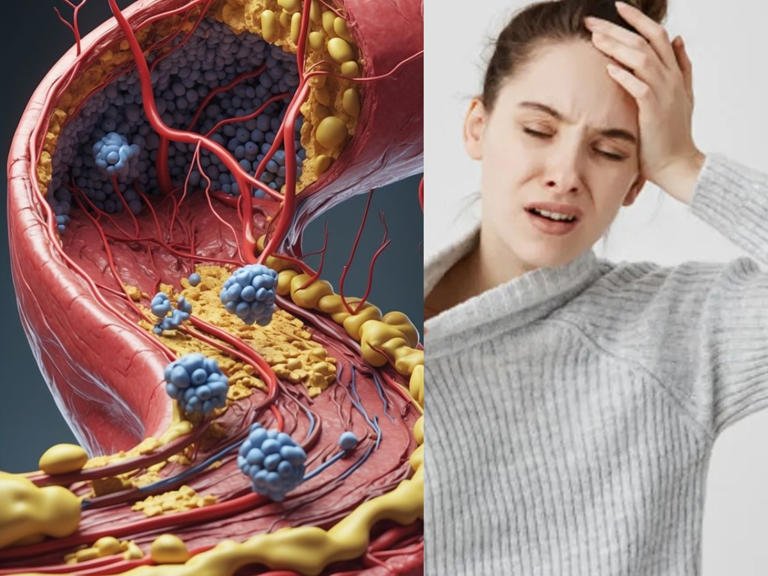
Cholesterol is a wax-like sticky substance in the body, which is necessary for the formation of cells and the balance of hormones. But when the amount of low-density lipoprotein (LDL) i.e. bad cholesterol in the blood increases excessively due to wrong eating habits, unhealthy lifestyle and lack of physical activity, it starts sticking to the walls of the arteries and forming plaque. This condition is called 'atherosclerosis' in medical language. Since there is no severe pain or fever initially when cholesterol increases, it is called a 'silent killer'. However, when the blockage in the veins reaches a serious level, the body starts giving 5 special physical signals.
When the levels of lipids and fats in the blood become too high, the body begins to store them under the skin. Its first and most obvious effect is visible around the eyes.
-
Xanthelasma: Small yellow colored pimples or wax-like lumps start emerging at the corners of the upper and lower eyelids.
-
Arcus Senilis: A white or blue-grey round ring becomes visible on the outer edge of the cornea. If it appears before the age of 45, it is a strong indication of high cholesterol.
When cholesterol plaque accumulation in the arteries reduces blood flow to the legs and calves, it is called peripheral artery disease.
-
Severe strain in calves while walking (Claudication): Severe cramps and pain in the muscles of the legs after walking a little or climbing stairs, which gets better as soon as you sit.
-
Constant cold and numbness of feet: Tingling, numbness, or persistent cold feeling in the soles and fingers without any seasonal change.
-
Loss of toenails and hair: Due to reduced blood supply, the skin of the feet becomes shiny and thin and the growth of nails slows down.
When cholesterol levels increase too much, the coronary arteries of the heart become narrow, due to which the heart muscles do not get enough oxygenated blood.
-
Feeling of heavy pressure, squeezing or burning sensation in the center of the chest while doing normal work, walking fast or under stress.
-
Many times this pain starts from the chest and spreads to the left shoulder, neck, jaw or back. This is called angina, which is a direct warning sign of an upcoming heart attack.
If you start feeling short of breath without any heavy physical exertion, such as climbing two floors of stairs or walking briskly, it is a sign of excess pressure on the heart. When the heart works harder to pump blood throughout the body due to blockage in the coronary arteries, the supply of oxygen to the lungs and brain slows down. As a result, the person continues to feel weak, lethargic and extremely tired throughout the day without any reason.
When the right amount of nutrition and oxygen does not reach the nerves through the veins due to accumulation of fat clots in the arteries, a 'needle-like' tingling sensation occurs in the fingers and toes. Apart from this, when cholesterol accumulates in the carotid arteries of the neck, the blood flow to the brain gets obstructed, which can lead to problems like sudden darkness in front of the eyes, dizziness or loss of balance.
-
Lipid Profile Blood Test: After 12 hours of fasting, get a lipid profile test done immediately and check the levels of total cholesterol, LDL, HDL and triglycerides.
-
Changes in diet: Stop eating refined oils, trans fats, deep fried snacks, red meat and processed foods immediately. Increase soluble fiber (oats, apples, isabgol, green leafy vegetables) in the diet.
-
Regular Cardio Workout: Do at least 30 to 45 minutes of brisk walking, jogging or cycling daily.
-
Doctor consultation: If LDL levels are 130 mg/dL or higher, do not delay starting statin medications on the advice of a cardiologist.