Living in Hanoi, I thought buying a car would make life easier for me and my family. After years of riding a motorbike, I eagerly took out a VND500 million (US$19,100) loan for a four-wheeler. But having owned one for two years, I am seriously considering selling it, even at a substantial loss.
There is nothing wrong with the car. I have just realized it is much less practical than expected as I only use it for road trips a few times a year. For my daily commute, I still mostly use a motorbike to avoid traffic.
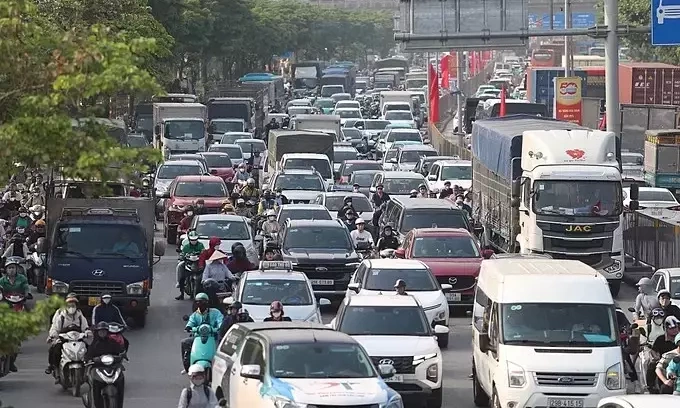
During rush hour, a motorbike is much faster and more convenient. I can weave through congested streets, drop my child off at school and head to work. With a car, just finding a place to stop or park can cost me a lot of extra time.
The same goes for weekend hangouts as I do not want the hassle of finding parking space to sour the fun. Given the huge fine for illegal stopping or parking, I have even less reason to use a car in the city center.
|
Hanoi’s traffic during rush hour in May 2025. Photo by Read/P.C |
I live in a small alley that a car cannot reach, so I have to park it about half a kilometer away. Every time I want to drive, I have to ride my motorbike to the parking lot to pick up the car. On the way back, I have to return the car to the parking lot and then ride my motorbike home. So much for making life more convenient.
After two years, the costs also add up. Besides the loan payments, there is fuel, parking, maintenance, oil changes, insurance, vehicle inspections, car washes and various other small expenses. Some costs are unavoidable even if I rarely use the car, not to mention its depreciation.
I knew I had to swallow the bitter pill: the car was not worth what I had paid for it. I know some people buy a car to take their family around, commute to work, visit their hometown more often or even generate income through ride-hailing apps. For them, a car can be a reasonable investment. But for me, it is more of a liability than an asset.
If I end up selling my car at a loss, I will just accept it as the consequence of making a careless financial decision.
A car is only worth it when the convenience it provides outweighs the costs of owning it. Maybe the more important question is whether you need it, rather than whether you can afford it.
*This opinion was submitted by a reader and translated into English. Readers’ views are personal and do not necessarily match Read’ viewpoints.