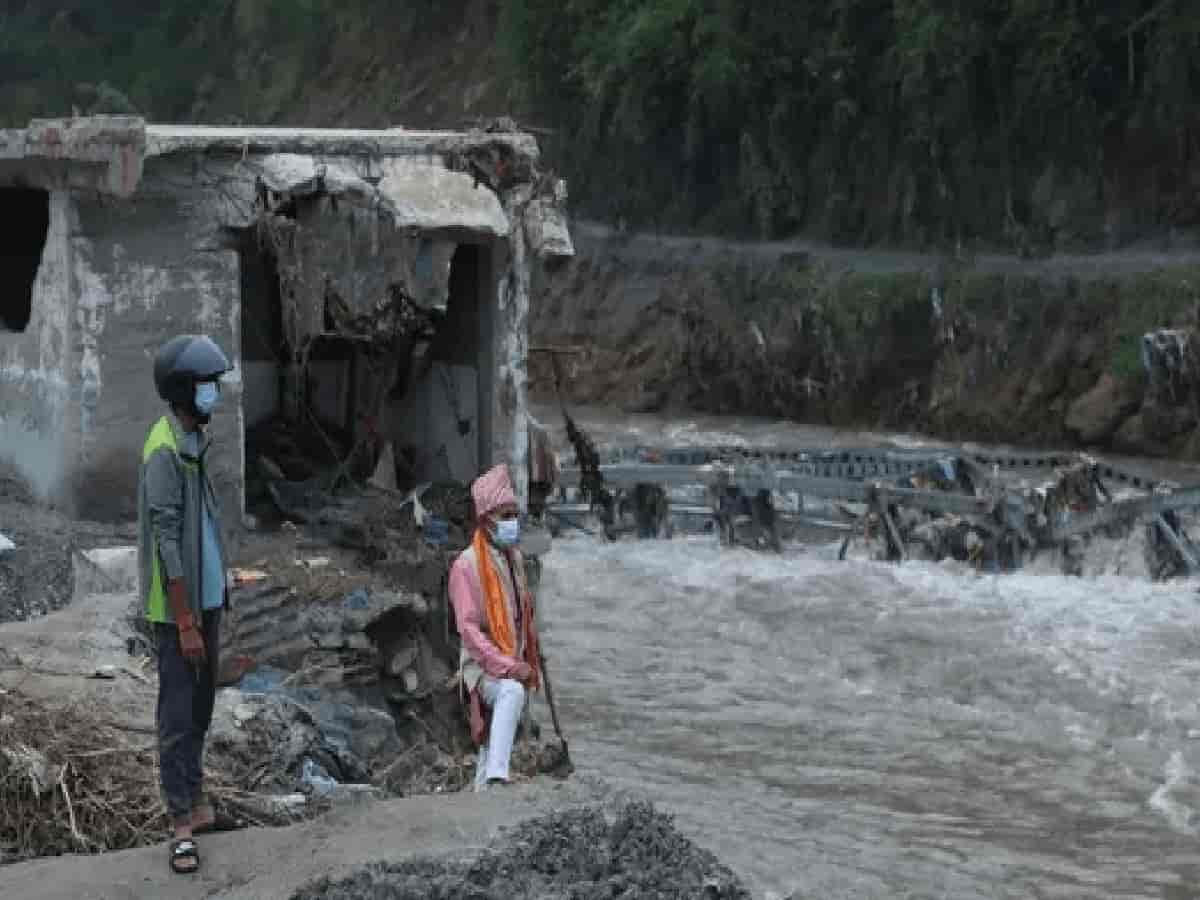
In the wake of catastrophic flash floods triggered along the Bhote Koshi and Trishuli rivers across the Nepal-Tibet border, India has stepped forward with swift humanitarian assistance. As the official death toll from the unprecedented disaster climbed to 626 with over 2,482 people missing, the Indian government launched an extensive disaster relief mission to support neighboring Nepal through its darkest hour.
IAF C-130J Aircraft Delivers 10 Tonnes of Vital Lifesaving Supplies
Demonstrating rapid response capabilities, the Indian Air Force deployed a C-130J transport aircraft carrying approximately 10 tonnes of essential humanitarian aid directly to Nepal. The cargo comprises vital life-saving medicines, emergency food supplies, and daily essentials designated for displaced families in severely impacted zones. Indian authorities confirmed that logistical pipelines remain active, with further massive relief consignments lined up via C-17 Globemaster and additional C-130 aircraft to sustain ongoing rescue efforts.
Specialized 11-Member Indian Team Deployed for Tunnel Rescues
Responding to specific requests from the Nepalese government for technical intervention in complex disaster zones, an 11-member specialized Indian team arrived in Nepal. According to Indian Embassy sources, the contingent includes skilled medical personnel and advanced tunnel rescue experts tailored to navigate the rugged Himalayan terrain and assist local security forces. While Nepal initially prioritized utilizing its native security apparatus familiar with local topography, specialized international assistance was welcomed to address structurally complex challenges, including Kathmandu’s request for India and China to supply 42 portable Bailey bridges to restore shattered transport connectivity.
Evacuation Status of Stranded Indian Nationals and Ongoing Searches
The Ministry of External Affairs (MEA) provided an update on the safety of Indian citizens caught in the disaster zone. MEA spokesperson Randhir Jaiswal confirmed that 84 Indian nationals have been safely evacuated—including 63 crew members from the Trishuli-1 project and 21 pilgrims from Tamil Nadu who safely landed in New Delhi. Furthermore, 149 Indians crossed into Nepal from Tibet, while roughly 400 others remain safe near the Chinese border. However, rescue agencies continue intensive search operations for approximately 320 Indian citizens who remained unreachable, as diplomatic channels work closely with Kathmandu to verify safety metrics amidst the fluid crisis.