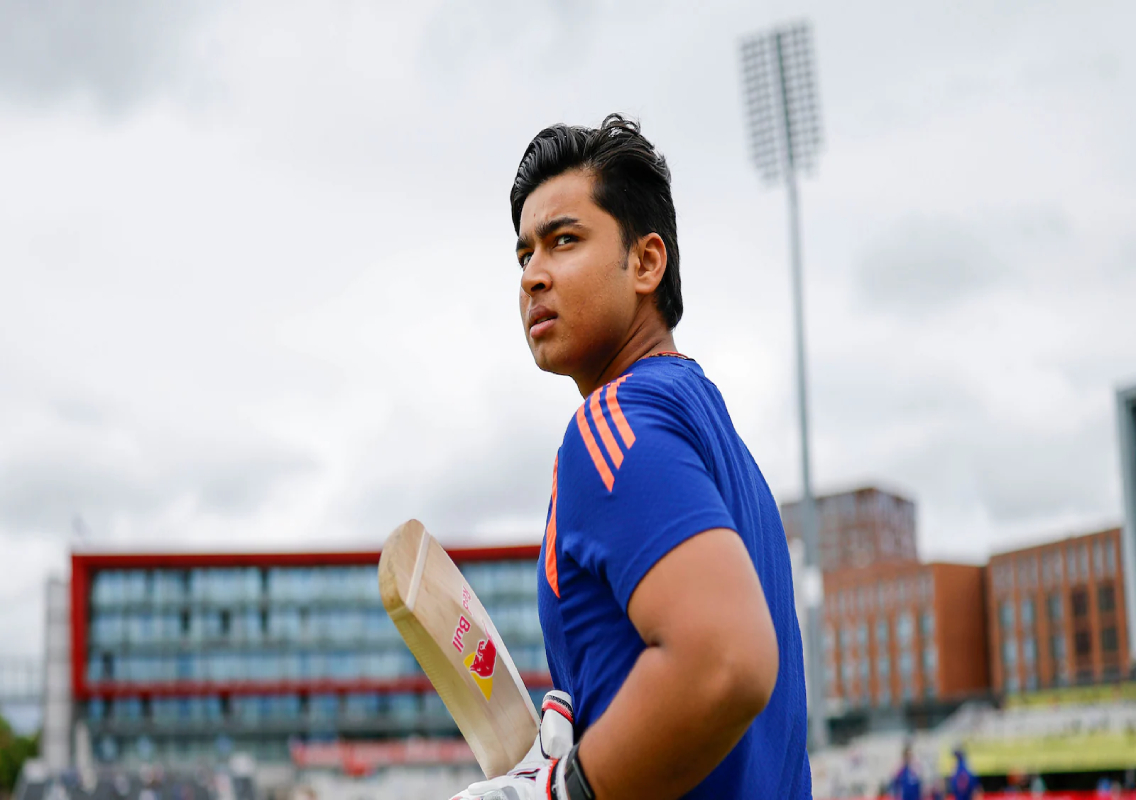
New Delhi: India will look to seal the three-match T20I series against Afghanistan when the two sides meet in the second match at the Arun Jaitley Stadium in New Delhi on Tuesday, September 15. While India’s convincing victory in the opening game has given the team confidence, one selection question continues to dominate the discussion: will Gautam Gambhir and captain Shreyas Iyer give teenage sensation Vaibhav Sooryavanshi a chance, or will Sanju Samson retain his place at the top of the order?
India made a winning start to the series, but the opening combination remains unsettled. Abhishek Sharma has strengthened his position after an impressive performance in the first T20I, leaving the second opening slot as the main point of discussion. Samson was preferred over Sooryavanshi in the series opener but could manage only 10 runs.
The management now faces a difficult call. Sooryavanshi is one of the most exciting young batters in Indian cricket, but dropping Samson after just one match would also carry its own risks.
India eye series victory in Delhi
India head into the second T20I with momentum after comfortably defeating Afghanistan in the opening encounter.
The second match will once again be played at the Arun Jaitley Stadium, where India will have an opportunity to take an unassailable 2-0 lead in the three-match series.
The first match exposed a clear difference between the two teams. India’s batting unit produced enough firepower to chase down Afghanistan’s target comfortably, while Afghanistan struggled to build momentum with the bat and failed to put sustained pressure on India’s bowling attack.
For India, the second match is therefore less about making wholesale changes and more about finding the right combination ahead of the Asian Games campaign in Japan.
Vaibhav Sooryavanshi’s wait continues
The biggest talking point is once again Vaibhav Sooryavanshi.
The teenage batter was left out of India’s playing XI for the opening T20I, with the team management opting for the experienced Sanju Samson alongside Abhishek Sharma.
Sooryavanshi’s presence on the bench naturally attracted considerable attention because of his recent performances and his emergence as one of India’s most promising young T20 batters.
However, the team management has already shown that it is prepared to make him wait for his opportunity.
The decision is understandable from a team-management perspective. India have an established opening combination to consider, and Samson was a key member of the country’s T20 World Cup-winning campaign. At the same time, keeping a highly rated youngster on the bench creates pressure whenever the established player fails to deliver.
That is exactly what happened in the first match.
Sanju Samson under pressure
Samson’s 10-run dismissal in the first T20I has increased the pressure around his position.
The Kerala batter has been one of India’s most talented white-ball players for several years, but consistency has remained a major talking point throughout his international career.
According to NDTV Sports, Samson had scored only 33 runs across his previous four innings before the Afghanistan series. His early dismissal in the opening match has therefore added to the debate over whether he should continue at the top of the order.
There is, however, a strong argument for giving Samson another opportunity.
A single failure should not necessarily determine a player’s place in a series, particularly when the team won comfortably. Making a change after one poor innings could also prevent Samson from finding rhythm.
For the management, the challenge is to balance immediate results with longer-term planning.
Abhishek Sharma strengthens his position
While Samson’s position is being discussed, Abhishek Sharma has done exactly what an opener needs to do when competition for places is intense.
The left-handed batter produced an attacking innings in the opening T20I and helped India establish control during the chase.
His performance removed much of the uncertainty surrounding the first opening slot.
Abhishek’s ability to attack from the beginning provides India with an aggressive option at the top. His left-handed batting also gives the team a different combination depending on who partners him.
With Abhishek appearing secure, the attention has naturally shifted towards the second opener.
Ishan Kishan also makes an impact
Another positive from India’s first match was the contribution of Ishan Kishan.
Kishan, who had experienced a minor back injury scare during training, recovered sufficiently to play and produced a valuable 42 from 33 balls. His innings included five fours and a six.
His performance gives India another reliable batting option and reduces the immediate pressure on the top order.
The presence of several capable batters is a good problem for the team management, although it also makes selection more complicated.
India are not short of batting talent. The difficult task is deciding which players should receive consistent opportunities.
Gambhir and Iyer face a tricky call
Head coach Gautam Gambhir and captain Shreyas Iyer will have to decide whether continuity or experimentation should take priority in the second match.
With India already 1-0 ahead, there is an argument for giving Sooryavanshi an opportunity.
A debut or appearance against Afghanistan could provide the youngster with valuable international experience before the Asian Games. It would also allow the management to assess how he handles the pressure of senior-level T20 cricket.
On the other hand, retaining Samson would provide stability and give the experienced batter another opportunity to respond.
The management may also prefer not to make a change simply because Samson failed in one innings, particularly when India’s overall performance was strong.
Afghanistan need a stronger response
While India’s selection dilemma has attracted most of the attention, Afghanistan have their own problems to solve.
Their batting unit struggled to build momentum in the first T20I. The top order could not produce the kind of platform required against India’s attack, leaving the team under pressure for much of the match.
Afghanistan will need a substantially improved batting effort in the second game if they are to keep the series alive.
Their bowlers also struggled to contain India’s aggressive batting, allowing the hosts to chase the target without facing significant pressure.
The visitors therefore need improvements in both departments.
Asian Games preparations add importance
The series is also significant because India are using the Afghanistan matches as part of their preparation for the upcoming Asian Games campaign in Japan.
That makes selection decisions more important than the immediate result alone.
The management needs to identify the players it trusts in the T20 format while also giving emerging players opportunities to develop international experience.
Sooryavanshi’s situation therefore goes beyond one match.
If India view him as part of their future plans, giving him opportunities at the right time will be important. But the management will also need to avoid rushing him simply because public interest around the youngster is high.
Will Sooryavanshi finally get his chance?
The second T20I could once again leave Vaibhav Sooryavanshi waiting on the sidelines.
NDTV Sports’ assessment is that a change is unlikely after just one match, meaning Samson could retain his place alongside Abhishek at the top of the order.
If that happens, Samson will have another opportunity to silence the doubts around his place in the XI.
For Sooryavanshi, patience may be the immediate requirement.
India already have a strong batting unit, and the management can afford to introduce the youngster gradually rather than placing unnecessary pressure on him.
India favourites to seal the series
India enter the second T20I as clear favourites after their commanding performance in the opening match.
A second consecutive victory would give them a 2-0 series lead and allow the team management to approach the final match with greater freedom to experiment.
For Afghanistan, the objective is straightforward: improve their batting, find ways to contain India’s aggressive top order and force the series into a deciding third match.
But before the first ball is bowled, the spotlight will remain firmly on the Indian team sheet.
The biggest question is whether the selectors and team management believe one failure is enough to remove Sanju Samson or whether continuity will win the argument.
For now, all indications point towards Samson retaining his placemeaning Vaibhav Sooryavanshi may have to wait a little longer for his next opportunity in India’s T20I setup.