
Indian Scientists: Indian scientists created ‘placenta-on-chip’, research on the development of the baby in the womb will be easy

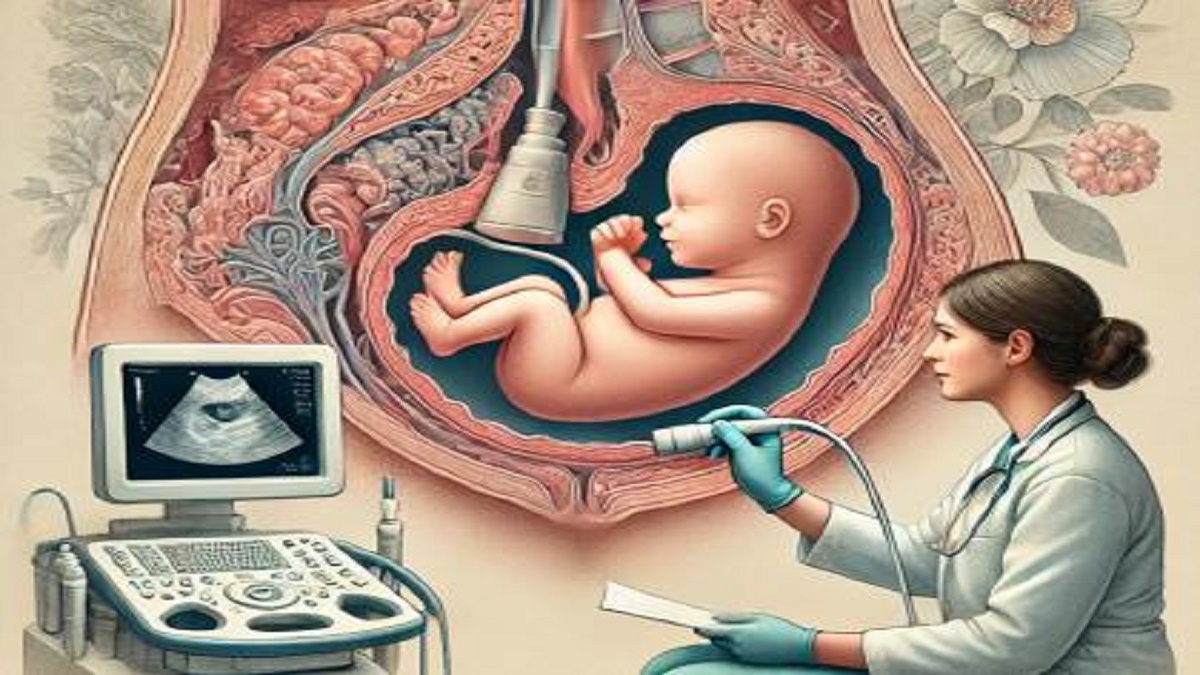
Indian scientists have achieved great success in research related to pregnancy and fetal development. ICMR and IIT Mumbai scientists have developed ‘placenta-on-chip’ with indigenous technology. It can mimic the key biological functions of the human placenta in the laboratory, providing new directions for research into pregnancy complications, drug effects and safe treatments.
Will work like placenta in the laboratory
Scientists from Mumbai-based ICMR-National Institute for Research on Women’s Health and IIT Mumbai have developed this indigenous platform. The research has been published in the prestigious Biofabrication Journal. This chip is able to replicate processes like placenta production like hormone production, delivering nutrients from mother to fetus and expelling waste.
There will be better research on pregnancy complications
According to scientists, this technology will help in better understanding of problems like gestational diabetes, pre-eclampsia and interruption in fetal development. It will also be possible to find out how various medicines cross the protective layer of the placenta.
There will be less dependence on animal testing
ICMR scientist Prof. Deepak Modi said that placenta is the least understood organ of the human body. New technology will provide scientists with more realistic human-based research models, reducing the need for animal testing where possible.
Specialty of cheap and indigenous technology
Scientists say most placenta-on-chip technologies available in the world are expensive and complex, while the Indian model is designed to be low cost, simple to use and suitable for general laboratories. This is expected to give a big boost to research related to pregnancy and reproductive health in the country.

Comments are closed.