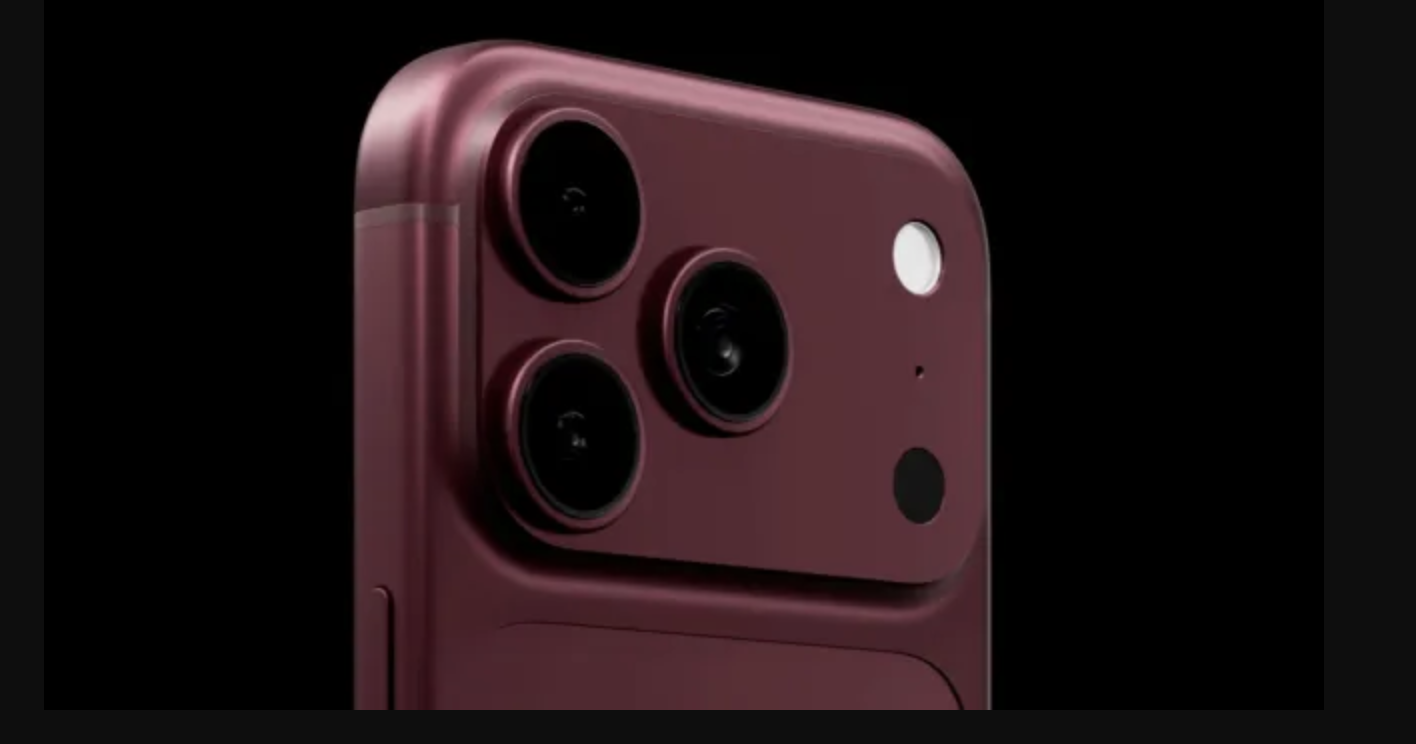
Apple’s new iPhone 18 Pro Max offers up to 2TB of internal storage, giving users enormous space for photos, videos and other large files. However, new storage tests suggest that the highest-capacity models may come with a performance trade-off.
The issue reportedly involves the type of NAND storage used in the 1TB and 2TB versions.
1TB And 2TB Models May Use QLC Storage
Tests suggest that the higher-capacity iPhone 18 Pro models use QLC NAND, while the 256GB and 512GB versions use faster TLC NAND.
QLC stores four bits of data in each memory cell, compared with three bits for TLC. This allows manufacturers to pack more storage into the same physical space, making very high-capacity storage easier to produce.
However, QLC generally offers slower sustained write performance than TLC.
Apple’s official specifications list 1TB and 2TB capacities but do not disclose the NAND technology used in each storage configuration.
Storage Can Start Very Fast
The iPhone 18 Pro Max uses multiple layers of caching to hide the slower underlying storage during normal use.
Testing by HOMOLAB found that the initial SLC cache can reach speeds of around 3,000MB/s.
Once that cache is exhausted, another buffer based on TLC technology takes over, with average speeds of around 578MB/s.
This means most everyday operations can remain fast because the phone does not immediately write everything directly to the slower QLC storage.
Speeds Fall After The Cache Is Full
The major problem appears during sustained heavy writing.
Once the available caches are exhausted, data is written directly to the QLC NAND.
HOMOLAB measured average write speeds of around 79.4MB/s at this stage, with results falling as low as 25.6MB/s in some tests.
The situation becomes even more dramatic when the phone’s storage is around 60% full.
At that point, the SLC cache reportedly shrinks from around 250GB to just 58GB. Direct QLC writes averaged around 45MB/s, with the lowest measured result reaching approximately 1.1MB/s.
TLC Model Was 38% Faster In One Test
A comparison between a QLC-based 1TB iPhone 18 Pro Max and a 512GB TLC-based iPhone 18 Pro showed a significant performance difference in certain workloads.
In a low-queue-depth mixed workload, the TLC model scored 11,285 compared with 8,168 for the QLC model, giving the TLC device a 38% advantage.
Under heavier workloads, the advantage narrowed to around 12%.
Should You Worry?
For most iPhone users, probably not.
Browsing, messaging, gaming, taking normal photographs and everyday app usage are unlikely to push the storage system hard enough to expose the difference.
The issue becomes more relevant for professional users recording large amounts of 4K or ProRes video, transferring huge files or performing large backup restores.
The 2TB Trade-Off
The biggest question is whether buyers paying a premium for 1TB or 2TB storage are getting a slower underlying storage technology.
The reported results are based on synthetic and extreme workloads, and Apple has not publicly confirmed the NAND configuration for each capacity.
For most consumers, the additional storage will likely matter far more than the difference in sustained write performance. But for professionals buying the 2TB model specifically for heavy data workloads, the reported storage behaviour could be worth considering.
Summary
The iPhone 18 Pro Max’s 1TB and 2TB versions reportedly use QLC NAND storage, which can offer higher capacity but slower sustained write performance than TLC. Tests found major speed reductions after the phone’s fast caches were exhausted, particularly when storage was around 60% full. Everyday users are unlikely to notice, but professionals handling large video files and backups could encounter the limitation.
Image Source