

Rohit Kumar
NEW DELHI, Apr 15: Even as the mediators making moves to extend the fragile ceasefire between the United States and Iran pending resumption of negotiations, Iran on Wednesday warned it would completely block exports and imports across the Persian Gulf region, the Sea of Oman and the Red Sea if the US did not lift the blockade of the Iranian ports.
In a related development, the US-sanctioned tanker Rich Starry made its way back to the Strait of Hormuz on Wednesday after exiting the Gulf the day before, shipping data showed, failing to break through a US blockade on vessels calling at Iranian ports.
The commander of Iran’s joint military command warned, “Iran will act with strength to defend its national sovereignty and its interests.” Ali Abdollahi added that the US blockade was “a prelude to violating the ceasefire.”
Iran effectively closed the Strait of Hormuz when Israel and the US launched strikes against it more than a month ago.
The US on Monday began blockading ships trying to enter or leave Iranian ports and said it would not impede the freedom of navigation of other vessels in the Persian Gulf. In the meantime, mediators moved closer to extending the ceasefire between the US and Iran and restarting negotiations to salvage the fragile truce before it expires next week.
The US President Donald Trump had announced the blockade of the Iranian ports on Sunday after the peace talks in Islamabad between the US and Iran failed to reach a deal.
“During the first 24 hours, no ships made it past the US blockade,” the US Central Command said on X, adding that six vessels complied with direction from US forces to turn around to re-enter an Iranian port. The Chinese-owned tanker was among the eight ships that crossed the waterway on the first day of the US blockade on Tuesday. A US destroyer stopped two oil tankers attempting to leave the Iranian port of Chabahar on the Gulf of Oman on Tuesday, a US official said.
The Rich Starry and its owner, Shanghai Xuanrun Shipping Co, were placed under US sanctions for dealing with Iran. The Rich Starry is a medium-range tanker carrying about 250,000 barrels of methanol that was loaded at the port of Hamriyah in the United Arab Emirates. Another US-sanctioned vessel, the Very Large Crude Carrier Alicia, is entering the Gulf via the strait on Wednesday. The empty tanker, capable of carrying 2 million barrels of oil, is heading to Iraq to load a cargo on Thursday.
The blockade has created even further uncertainty for shippers, oil companies and war risk insurers. Traffic remains at only a fraction of the 130-plus daily crossings before the US and Israel’s war on Iran began on February 28, industry sources said on Tuesday.
A senior Iranian military official threatened to halt trade in the region if the US does not lift its naval blockade, underscoring tensions that are overshadowing the diplomacy. The US blockade on Iranian ports and renewed Iranian threats have imperiled the week-old agreement, but regional officials said Wednesday they were making progress, telling the media that the United States and Iran had given an “in principle agreement” to extend the ceasefire deadline to allow for more diplomacy.
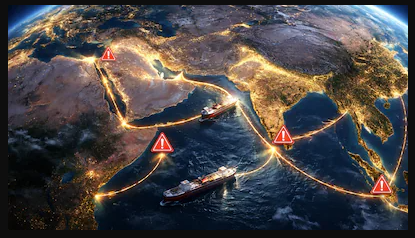
The commander of Iran’s joint military command warned Wednesday that Iran would completely block exports and imports across the Persian Gulf region, the Sea of Oman, and the Red Sea if the US military did not lift its blockade on Iranian ports.
Before the two-week ceasefire expires on April 22, mediators are pushing for a compromise on three main sticking points that derailed direct talks last weekend – Iran’s nuclear program, the Strait of Hormuz and compensation for wartime damages – according to one of the regional officials who is involved in mediation efforts.
World leaders including US President Donald Trump and UN Secretary-General Antonio Guterres said on Tuesday that revived talks in the upcoming days were likely. The fighting has killed at least 3,000 people in Iran, more than 2,100 in Lebanon, 23 in Israel and more than a dozen in Gulf Arab states. Thirteen US service members have also been killed.

Comments are closed.