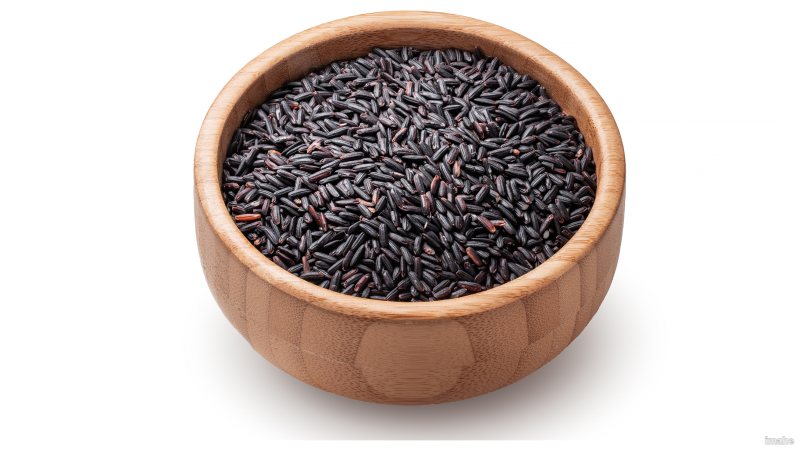
Rice is one of the main food items in daily diet and our kitchen plate, without which the food seems incomplete, and for centuries, white rice has been used the most in our country. But for some time now, 'Black Rice' has suddenly gained a lot of popularity among health conscious people and fitness lovers, which is being called a superfood. From social media to the advice of modern dieticians, it is claimed that black rice is many times more beneficial for health than traditional white rice. Is black rice really better than white rice, or is it just a marketing trend? If this question is revolving in your mind regarding your diet, then let us understand in depth the difference between the two rice types on the basis of scientific and nutritional facts in this article today so that you can take the right and healthy decision for your family. What is the basic difference in the nutritional value of white rice and black rice and how is this unique paddy prepared? First of all, it is important to understand what is the difference between white rice and black rice. White rice is paddy which is processed in mills and its husk, bran and germ are completely removed, due to which its color becomes shining white but most of its essential nutrients and fiber are destroyed. In contrast, black rice is a whole grain with its outer peel preserved in its natural state, and as such it contains abundant amounts of antioxidants, fiber, iron, and plant-based protein. Traditionally it is also called 'Forbidden Rice' or restricted rice because in ancient times in China, consumption of this rare rice was reserved only for kings and royal families. From a nutritional point of view, black rice has less calories and the density of nutrients is much higher than white rice. The miraculous health benefits of black rice that make it a more powerful superfood than white rice If you want to control your weight, manage diabetes or maintain heart health, black rice can be a great option for you. A powerful antioxidant called 'Anthocyanin' is found in black rice, which gives it a deep black or purple color and the same element is also found in blueberries or blackberries. This antioxidant protects the body cells from getting damaged, reduces inflammation and also helps in keeping away the risk of serious diseases like cancer. Additionally, black rice has a very low glycemic index (GI), which means it does not cause a sudden spike in blood sugar levels after eating it, making it a boon for diabetics. Also, the rich fiber present in it makes one feel full for a long time, which prevents the desire to eat again and again and helps in weight loss. Should you completely give up white rice and how to include black rice in your diet? Now the biggest question that arises is whether this means that we should say goodbye forever to the white rice made in our homes from today itself? Nutritionists believe that no single food item can be called completely bad or good, as white rice is easily digestible and an excellent source of energy, especially as it is a staple diet in many parts of India. However, if you want to improve your fitness, immunity and long-term health, you can include black rice in your diet a few days a week instead of white rice. Since black rice takes a little longer to cook and has a slightly chewy texture, it is better to soak it for some time before cooking. Take smart steps today to get your health on track and move towards a healthy life by adopting these small changes in your kitchen.