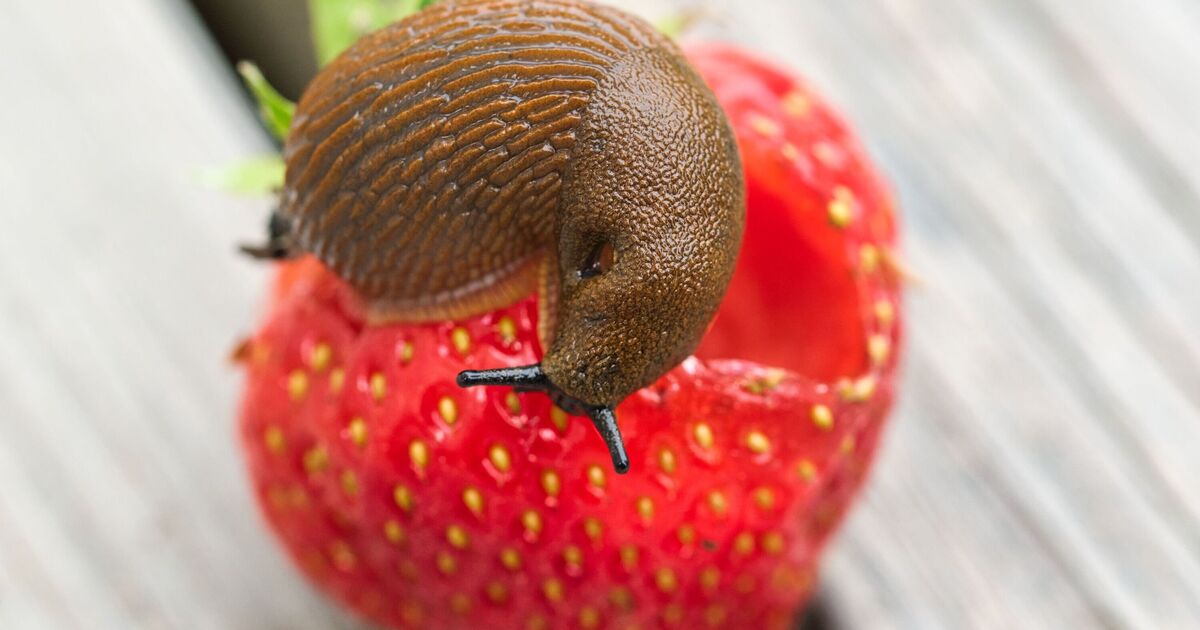
Slugs can be one of the most frustrating garden pests, particularly when you’re trying to grow fruits and vegetables. They thrive in cool, damp conditions and are especially active after rainfall, when the soil and surrounding plants provide the moisture they need to move around easily. This can make wet spells particularly worrying for gardeners.
Rather than reaching for chemical slug killers, there are several inexpensive household ingredients that can make the garden less inviting. I use three natural deterrents every year, but one has worked consistently better than the others, particularly for protecting my fruit after rain.
The idea is to scatter used coffee grounds around plants that you want to protect, creating a barrier between the plant and the surrounding soil.
Coffee grounds are often recommended as a slug deterrent because of their texture and caffeine content, but their effectiveness can vary depending on how they are used.
I sprinkle a layer of used, cooled coffee grounds around the base of vulnerable plants, taking care not to layer it too thickly. I find they are most useful as part of a wider approach rather than something to rely on exclusively.
2. Garlic spray
Instead of creating a physical barrier, garlic is used to make the plants less appealing to slugs. The strong-smelling compounds in garlic act as a deterrent.
I make a simple garlic spray by crushing garlic cloves, steeping them in water and straining the mixture before putting it into a spray bottle.
I then apply it around the plants and on suitable plant surfaces, being careful not to spray any foliage or flowers.
The biggest advantage is that it’s easy to apply, whereas creating a physical barrier can be tricky, and it is also easier to refresh after rainfall.
However, I didn’t particularly enjoy the smell, and my garden was starting to smell purely of garlic. So I tend to use this only if I have leftover garlic cloves.
3. Eggshells
Eggshells are a clear winner for protecting my fruit, and the method is incredibly simple.
After using eggs, I rinse the shells, allow them to dry and slightly crush them into small, sharp pieces. I scatter these around the plants I want to protect, creating a rough layer across the soil surface.
I use lots of eggs, so this helps to prevent waste and creates a surface that slugs find unappealing.
I found eggshells particularly helpful this week during rainfall, when slugs have been active in my garden.