
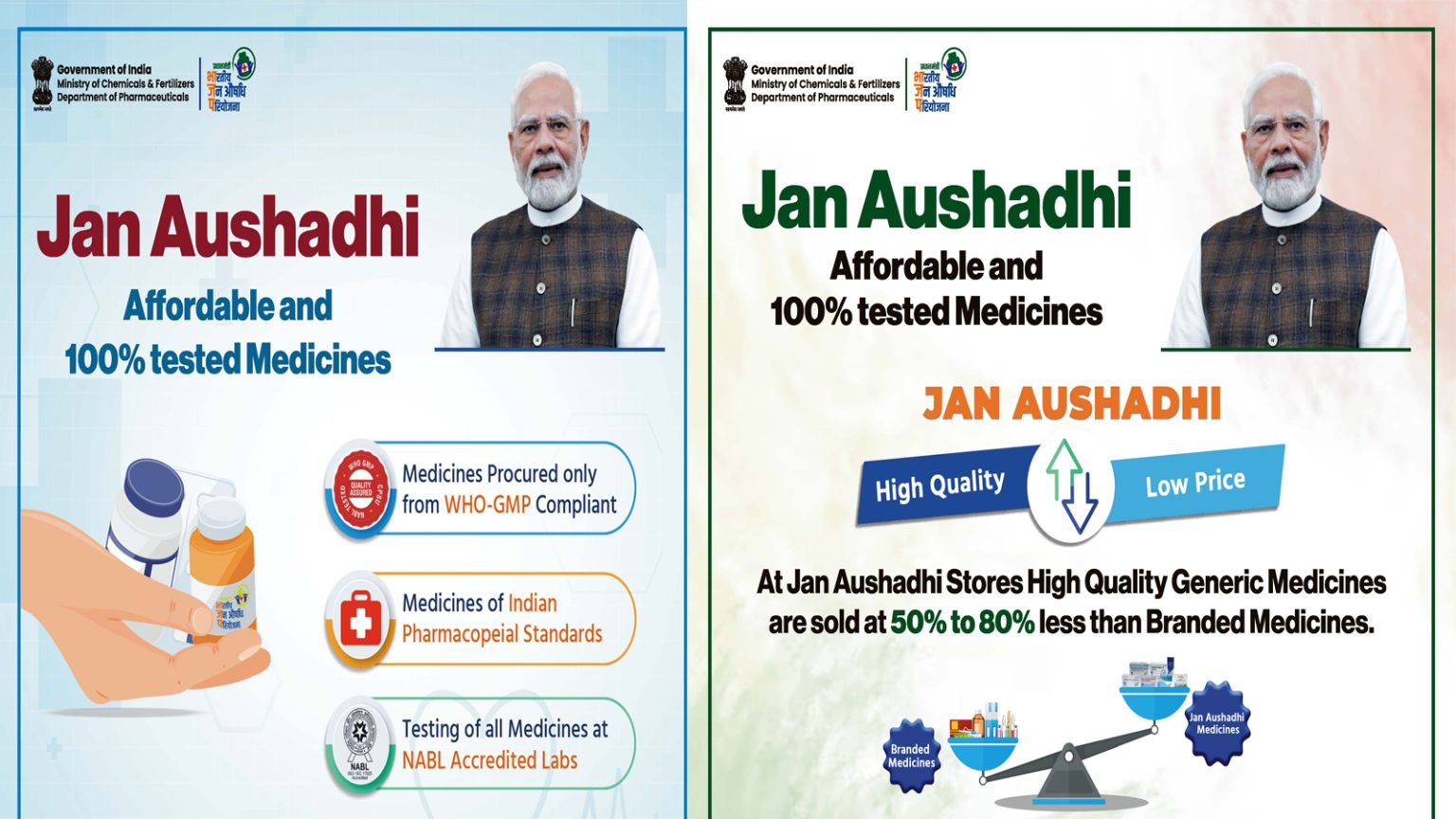

New Delhi: The Pradhan Mantri Bhartiya Janaushadhi Pariyojana (PMBJP) has helped citizens save an estimated ₹45,000 crore on medicine purchases over the past 12 years by expanding access to affordable quality generic medicines through a rapidly growing network of Jan Aushadhi Kendras (JAKs), the government informed Parliament on Friday.
According to the Ministry of Chemicals and Fertilizers, 20,149 Jan Aushadhi Kendras were operational across the country as of June 30, 2026, with the scheme now covering 776 of the country’s 784 districts. The Ministry said the initiative has significantly reduced out-of-pocket healthcare expenditure while improving access to affordable medicines, particularly in smaller towns and rural areas.
The Pharmaceuticals and Medical Devices Bureau of India (PMBI), the implementing agency for the scheme, regularly evaluates the performance of Jan Aushadhi Kendras based on their sales and overall functioning. The Ministry said these assessments indicate that the scheme has substantially improved the availability of quality generic medicines across the country.
The PMBJP product basket currently includes 2,110 medicines and 315 surgical items, medical consumables and devices, covering major therapeutic categories such as cardiovascular diseases, cancer, diabetes, infections, allergies and gastrointestinal disorders, along with nutraceuticals. The government said almost all generic medicines included in the National List of Essential Medicines, except laboratory reagents and vaccines, are available under the scheme.
To ensure uninterrupted availability of medicines, the Ministry said PMBI continuously monitors stock levels and undertakes corrective measures to minimize shortages. Since September 2024, Jan Aushadhi Kendras have been incentivized to maintain stocks of 200 commonly used medicines, comprising the 100 top-selling products under the scheme and 100 fast-selling medicines in the market. Store operators receive monthly incentives based on the availability of these medicines.
The Ministry has also strengthened the supply chain by establishing an information technology-enabled distribution network comprising one central warehouse, four regional warehouses and an expanding network of distributors across the country. Additionally, demand forecasting for 400 fast-moving products is being carried out regularly, with procurement processes increasingly supported through digital forecasting systems.
To enhance public awareness and encourage greater acceptance of generic medicines, PMBI conducts regular outreach campaigns in collaboration with organizations such as the Central Bureau of Communication, Press Information Bureau, MyGov and MY Bharat. The awareness initiatives are carried out through print, television, radio, social media, outdoor publicity and community engagement programmes.
The Ministry said citizen outreach is also undertaken through a WhatsApp chatbot and outbound calls that educate people about the quality and affordability of Janaushadhi medicines. Every year, Jan Aushadhi Week is observed during the first week of March, featuring health camps, public rallies, seminars in pharmacy colleges and community programs to promote awareness among citizens and healthcare professionals. Audio and video messages from eminent doctors and public representatives are also disseminated to dispel misconceptions regarding the quality of generic medicines.
In rural areas, awareness activities include health camps, street plays, audio-visual presentations at Common Service Centers and community workshops conducted in local languages in collaboration with nearby Jan Aushadhi Kendras.
The Ministry noted that applications for opening Jan Aushadhi Kendras are invited online from individual entrepreneurs, non-governmental organizations, societies, trusts, firms and private companies across all districts, including underserved blocks. To improve access in districts with limited coverage, PMBI is coordinating with district administrations to provide free space for outlets in government hospitals while giving priority to underserved areas.
The Ministry is also promoting greater participation by women and young entrepreneurs through the franchise-based model. Special incentives of ₹2 lakh are provided for establishing Jan Aushadhi Kendras in the North-Eastern states, Himalayan regions, island territories and Aspirational Districts, as well as for outlets opened by women, ex-servicemen, persons with disabilities and members of the Scheduled Castes and Scheduled Tribes.
The information was provided by Union Minister for Chemicals and Fertilizers Jagat Prakash Nadda in a written reply to a question in the Lok Sabha.
(DD News)

Comments are closed.