


JSW MG Motor India has formally announced a distribution partnership with the Golchha Organization to establish a retail and service presence in Nepal. A new MG dealership has been inaugurated as part of this arrangement, with the showroom located in Thapathali, Kathmandu.
The partnership is with G.O. Automobiles Pvt. Ltd., the automotive arm of the Golchha Organization, which has been active in Nepal since 1930 and already represents several global automotive brands. It brings an established distribution and service infrastructure to the table, which matters in a market where after-sales support has historically been a concern for newer entrants.
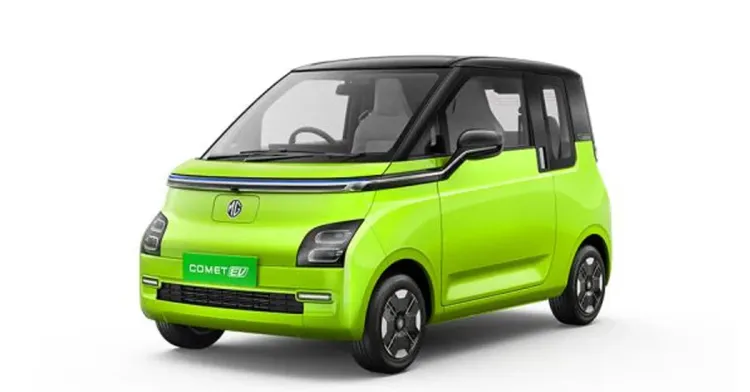
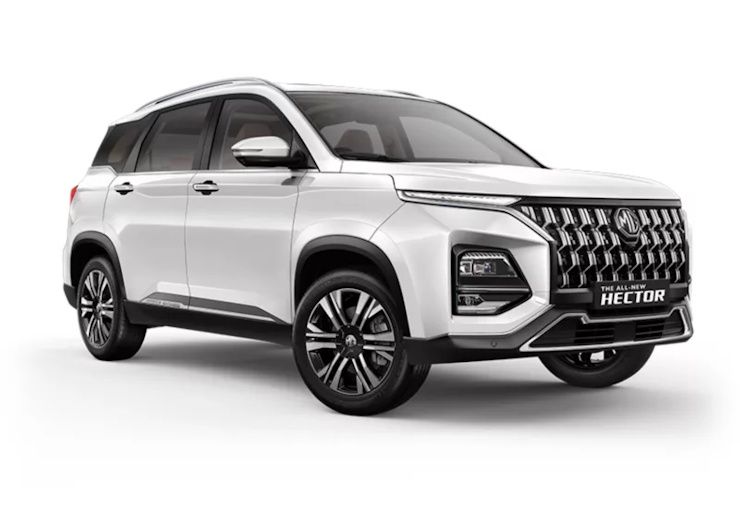
The Thapathali showroom will carry three models: the Hector SUV, the Windsor and the Comet EV. The Hector is MG’s most established nameplate, a petrol and diesel SUV that has been on sale in India since 2019 and has accumulated a strong ownership base. It remains the brand’s recognition anchor for buyers unfamiliar with MG’s electric offerings.

The Windsor is the brand’s strongest recent performer, having sold 46,735 units in India during calendar year 2025 to become the top-selling EV in the country for that year. The Comet, at the other end of the size scale, is a compact city EV built for short urban commutes.
The selection is deliberate. Nepal’s four-wheeler market is dominated by buyers who have traditionally leaned towards Japanese and Korean SUVs and sedans.
By leading with the Hector alongside two EVs, MG is hedging sensibly. It is not asking the entire market to switch to electric immediately. It is giving buyers a recognisable SUV option while making the electric transition accessible for those who are ready.
Nepal’s EV adoption story is already well underway, driven primarily by two-wheelers. The country imported over 1.22 lakh electric two-wheelers in fiscal year 2023-24, and the government has been actively pushing EV adoption through import duty relaxations on electric vehicles. Four-wheelers are following, with EV registrations in the passenger segment climbing steadily.
Fuel economics play a big role here. Nepal imports nearly all of its petrol and diesel, making running costs on conventional vehicles significantly higher than in markets with subsidised fuel. That dynamic makes EVs a more compelling ownership proposition in Nepal than in many other markets at a similar stage of development.
The Golchha Organization is not a new face in Nepal’s auto industry. With over nine decades of market presence, the group has built relationships across the distribution chain that take years to develop independently. For MG, entering Nepal through this partnership rather than building from zero is a significant practical advantage.
MG’s Halol plant is currently producing over one lakh vehicles a year and is being expanded to 3 lakh units annually. Exporting to Nepal lets the brand use that capacity more productively while growing the MG name in a market that shares many of the same consumer preferences as the home base. For now, there is one showroom in Kathmandu. JSW-MG will expand going forward depending on demand.
Comments are closed.