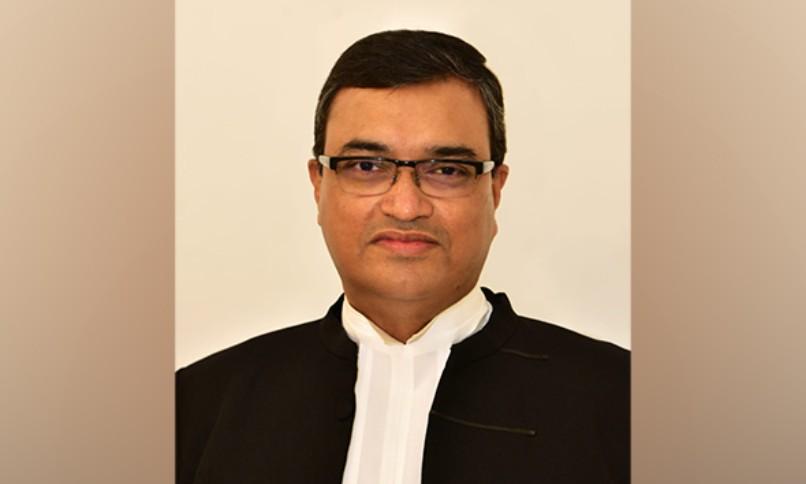
Justice Dipankar Datta of the Supreme Court on Monday (August 3) said that the judiciary often finds itself blamed for mounting case pendency even though the reasons behind judicial delays extend far beyond the courts.
He made the remarks during the hearing of a special leave petition filed by chartered accountant Tehmul Burjor Sethna, who challenged a Gujarat High Court order rejecting her plea to place additional evidence on record in support of a medical certificate.
The matter briefly turned to the costs imposed by the High Court after Senior Advocate Siddharth Dave, appearing for Sethna, sought to raise the issue. Justice Datta, however, indicated that the Supreme Court would not interfere with the High Court’s order.
Pendency debate
Referring to a newspaper report on parliamentary discussions concerning judicial delays, Justice Datta said the courts frequently became the target of criticism whenever the subject of pendency surfaced.
Also Read: Why pendency of cases is as much a challenge for lawyers as litigants
“We are at the receiving end. We have seen today’s newspaper. Parliamentary debates are going on that we are not living up to the expectations of the people,” he stated as quoted by Live Law.
Dave agreed with the concern, remarking that the judiciary had become the “favourite beating stick” whenever questions about delays and case backlogs were raised.
Call for introspection
Justice Datta responded by recalling the words of Sri Sarada Devi, the wife of Sri Ramakrishna. He quoted her saying, “Don’t look at the fault of others. Look at yours.”
Following the exchange, the Bench declined to interfere with the Gujarat High Court’s decision.
Also Read: SC judge flags lack of transparency in judicial appointments, says leads to calling people ‘ants’
Justice Datta’s observations were reportedly made in the backdrop of a written reply submitted by Law Minister Arjun Ram Meghwal to a parliamentary question on case pendency. The response stated that more than 10,000 cases have remained pending before the Supreme Court for over ten years. It also recorded that nearly 80,000 matters have been pending in High Courts for more than 30 years, reported Live Law.
Earlier remarks
The judge has voiced similar concerns before. Speaking at a conference earlier, Justice Datta said the judiciary alone should not be held responsible for rising arrears, adding that frivolous litigation initiated by the executive had also added substantially to the burden on the courts.