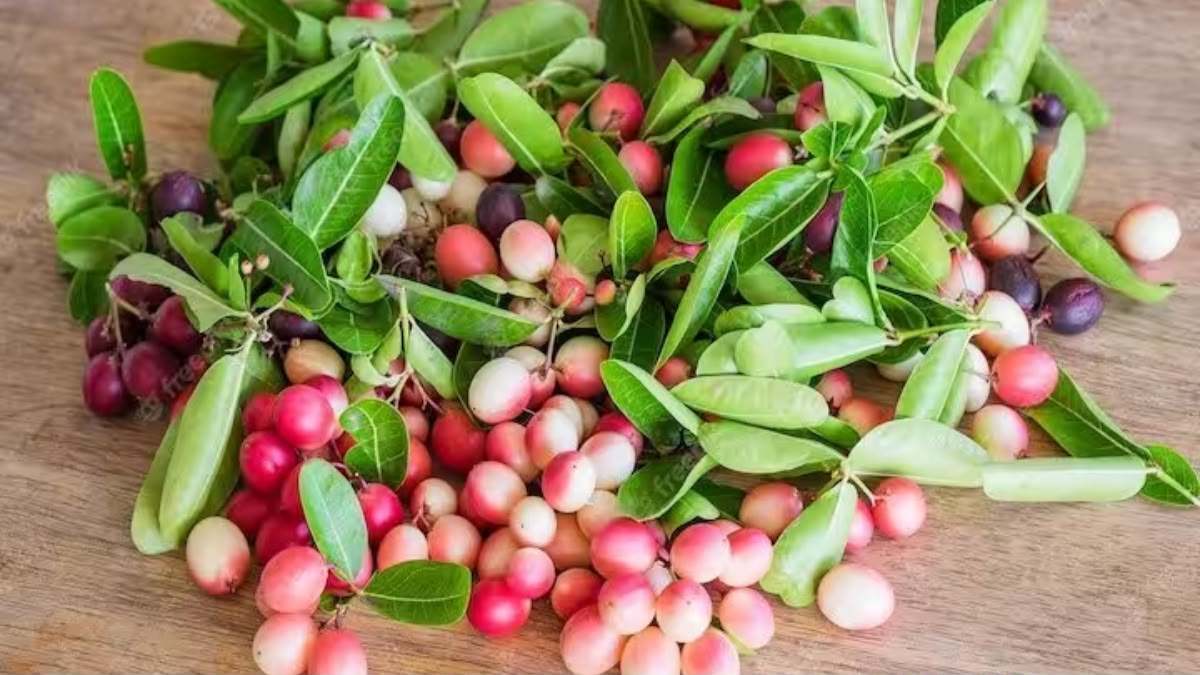
Lifestyle Desk – Cranberry is a well-known fruit in India, which is especially used in making pickles, chutneys, murabbas, jams and jellies. Its taste is sour in raw state and sweet and sour when cooked. The cranberry plant, which grows easily with less care, is also traditionally known for its medicinal properties. In Ayurvedic tradition, different uses of its fruits, leaves and roots have been described. Let us know the benefits of its consumption.
rich in nutrients
Vitamin C and many types of antioxidant compounds are found in cranberries. Vitamin C plays an important role in the normal functioning of the body's immune system. It also contains fiber, which can be useful for the digestive system if it is part of a balanced diet. However, cranberry should not be taken as a cure for any disease, but as a part of a balanced diet.

Helpful for immunity
Vitamin C and antioxidants present in cranberries can help protect the body from oxidative stress. Including fruits containing Vitamin C in a regular and balanced diet is considered beneficial for the general immunity of the body.
Can keep digestion healthy
The fiber present in cranberries can be useful for digestion. A diet high in fiber can help maintain normal intestinal activity and prevent problems like constipation. It can be included in the diet in limited quantity in the form of chutney or vegetable.
also beneficial for skin
Vitamin C plays a role in the body's process of forming collagen, which is an important protein for skin and other tissues. Including vitamin C-rich foods like cranberries in your diet can be useful for general skin health.
How to consume?
Cranberry can be used in many ways. Raw cranberries can be made into chutney or pickle, while ripe fruits are used to prepare jams, jellies and marmalades. However, pickles, jams and jams may contain high amounts of salt or sugar, so it is better to eat them in limited quantities.