

New Delhi: Medical experts have underscored that Chronic Kidney Disease can significantly impact sexual health, affecting both physical and emotional aspects of intimacy. Despite its prevalence, the issue often remains under-discussed among patients and even overlooked during routine treatment.
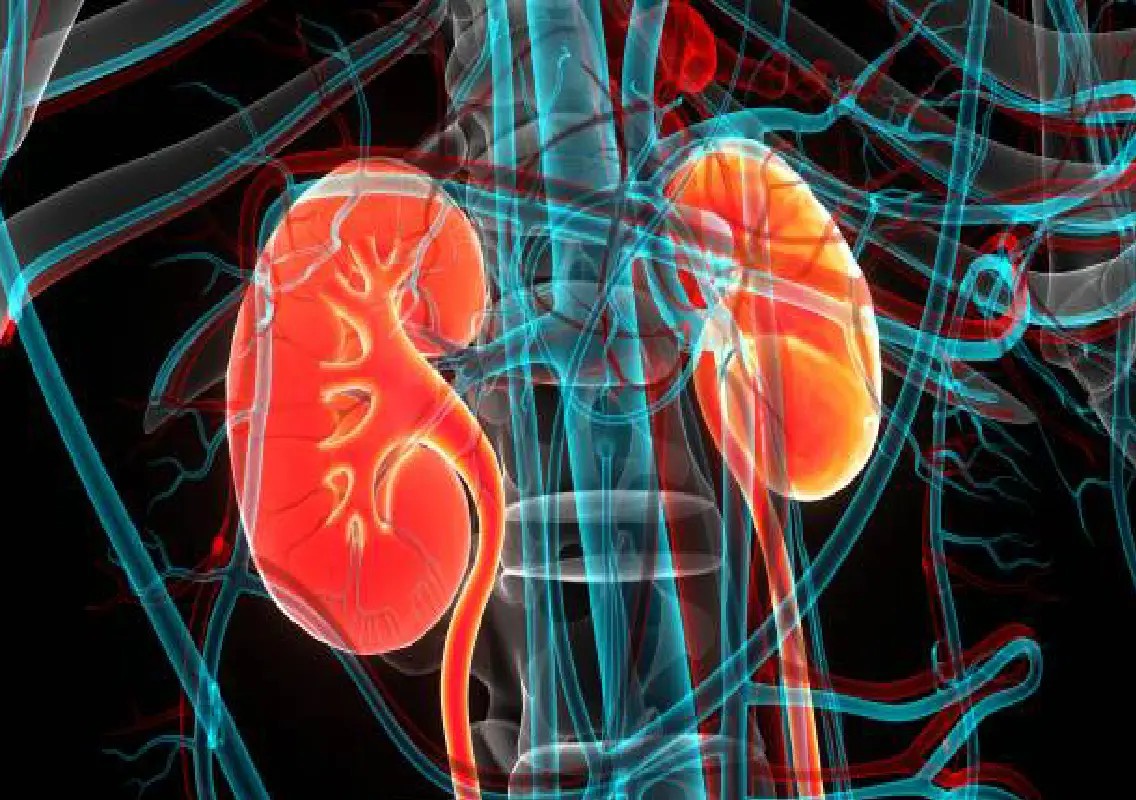
Kidneys play a crucial role in filtering waste, maintaining fluid balance, and regulating hormones. When kidney function declines, it can lead to toxin buildup, hormonal imbalances, and reduced blood circulation—factors that collectively influence sexual well-being.
Hormonal imbalance a key factor
Experts point out that hormonal disruption is one of the primary reasons behind sexual health issues in CKD patients.
In men, reduced testosterone levels may lead to decreased libido, erectile difficulties, and lower sperm quality. In women, hormonal imbalance can result in irregular menstrual cycles, reduced sexual desire, vaginal dryness, and challenges related to fertility.
These changes often develop gradually, making them harder to identify without medical consultation.
Physical complications affect performance
One of the most commonly reported concerns among men with kidney disease is erectile dysfunction. This condition is often worsened by associated illnesses such as hypertension, diabetes, and vascular damage, all of which impair blood flow.
In women, physical symptoms may include reduced arousal and discomfort during intimacy, often linked to hormonal shifts and fatigue.
Experts emphasise that these issues are not isolated but interconnected with the overall health condition of the patient.
Fatigue and anaemia play a major role
Fatigue is another major factor affecting sexual health in CKD patients. Reduced production of erythropoietin—a hormone responsible for red blood cell formation—can lead to anaemia.
This results in persistent tiredness and low energy levels, which can significantly reduce sexual desire and performance. Patients undergoing dialysis may experience similar symptoms, further affecting their quality of life.
Psychological impact often overlooked
Beyond physical symptoms, psychological factors also play a critical role. Living with a chronic illness can lead to stress, anxiety, depression, and body image concerns.
Experts note that these emotional challenges can reduce confidence and strain intimate relationships. The combined effect of physical and mental health issues can make it difficult for patients to maintain a fulfilling personal life.
Healthy sex life still possible
Despite these challenges, doctors stress that individuals with kidney disease can still maintain a healthy sex life with appropriate care and guidance.
Managing underlying conditions such as diabetes and high blood pressure is essential. Patients are also advised to follow a kidney-friendly diet, stay physically active, and seek timely medical advice for any sexual health concerns.
Open communication with partners is equally important in addressing emotional and relational aspects.
Importance of medical guidance
Health professionals emphasise that sexual health should be treated as an integral part of overall well-being. Patients are encouraged to discuss their concerns openly with healthcare providers rather than ignoring symptoms.
Early diagnosis, proper treatment, and lifestyle adjustments can significantly improve outcomes and quality of life.
Conclusion
Experts highlight that addressing sexual health in kidney disease requires a holistic approach that considers both physical and emotional factors. Greater awareness and open conversations can help patients manage the condition more effectively and lead a balanced, fulfilling life.

Comments are closed.