
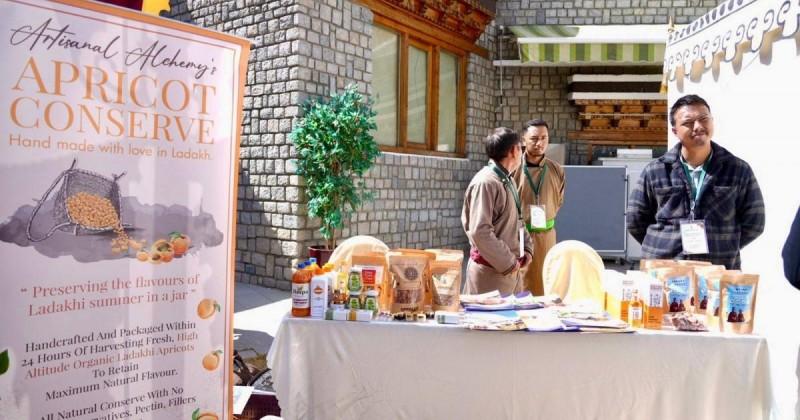

The unique Ladakhi apricots, famous for their exceptionally rich sweetness and flavour, are all set to make a grand foray into global markets this season.
Following a major push by the Lieutenant Governor of Ladakh, Vinai Kumar Saxena, to promote the branding and export of Ladakh’s GI-tagged “Raktsey Karpo” apricot variety, as well as the region-specific “Halman” variety, the UT administration has signed a Memorandum of Understanding (MoU) with UAE-based global conglomerate Lulu Retail for the export of 1,000 MT of apricots this season—a historic first for Ladakh.
This export volume marks a quantum jump from just 1,500 kg of apricots exported over the past two years.
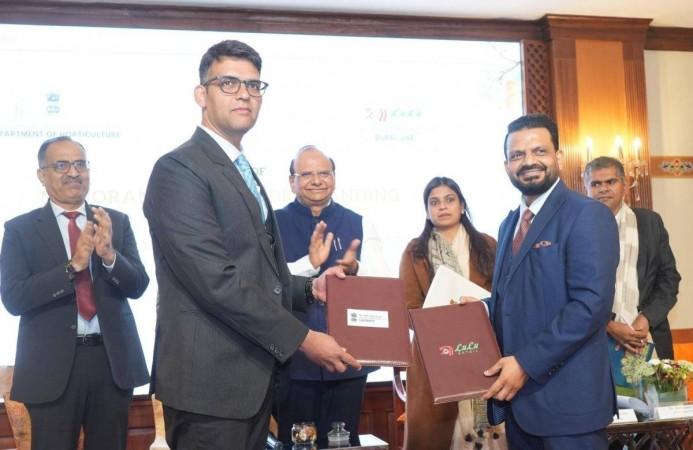
Saxena held a meeting with representatives of Lulu Retail and the Agricultural and Processed Food Products Export Development Authority (APEDA) to finalise the export roadmap. The MoU has been signed with Lulu Retail through APEDA and the Ministry of Food Processing Industries (MoFPI), Government of India. It was signed by Bhupesh Chaudhary, Secretary, Horticulture, UT Administration, and Salim M.A., Group Director (Global Operations), Lulu Retail, in the presence of Lieutenant Governor V.K. Saxena.
It was agreed during the meeting that Lulu Retail will procure at least 1,000 MT of apricots from farmers in Ladakh this season and undertake processing, packaging, and marketing in international markets, while preserving Ladakh’s unique identity.
At present, farmers face significant challenges in sorting, cleaning, packaging, and marketing apricots using traditional methods, often leading to substantial losses during processing and packaging. However, with the MoU in place, farmers will, at the time of harvest, hand over their orchards to the exporter, who will be responsible for plucking, sorting, processing, packaging, transportation, and marketing of the produce in international markets.
The Lieutenant Governor said this would ensure minimal loss of produce and fair pricing for farmers. “The unique apricots of Ladakh are an agricultural heritage of this region. The MoU aims to tap the immense yet underutilised potential of apricot cultivation in Ladakh, which is known for producing some of the finest varieties in the world. This will eliminate processing and marketing challenges for farmers and ensure better pricing.
“At the same time, this initiative will strengthen Ladakh’s recognition at the national and international levels,” Saxena said while addressing a two-day national workshop on “Enhancing Apricot Cultivation and Value Chain in Ladakh” organised by the UT Administration.
Terming the MoU “historic”, the Lieutenant Governor described it as a major milestone for Ladakh’s horticulture sector, stating that it would ensure direct economic benefits to farmers by opening international export channels. He added that discussions are also underway to market Ladakhi apples abroad.
Saxena also underscored the need to establish processing units in Ladakh to minimise wastage and enhance value addition. He assured that the administration would take all necessary steps to support infrastructure development and promote Ladakhi products in international markets. He further announced plans to launch Ladakh’s own e-commerce portal, on the lines of major platforms like Amazon and Flipkart, to provide farmers with direct market access.
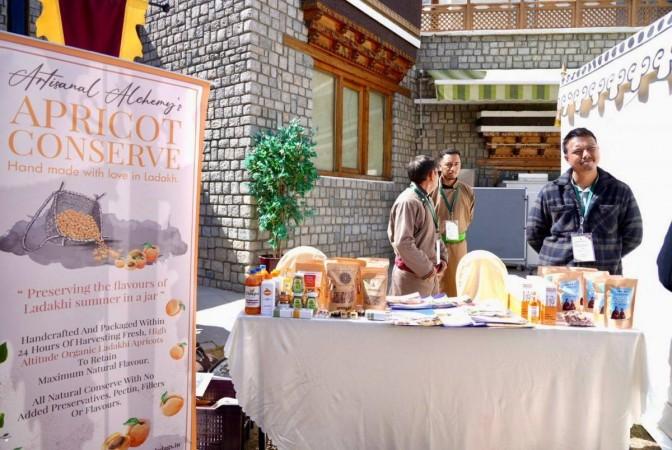
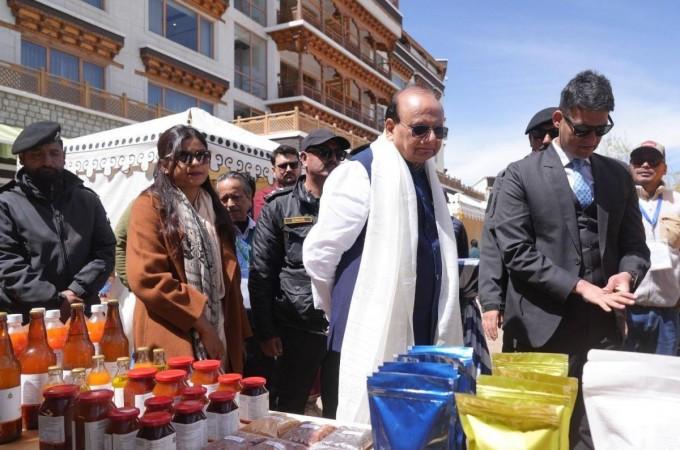
The Lieutenant Governor also inspected stalls showcasing horticulture and handloom/handicraft products by self-help groups (SHGs) and entrepreneurs.
The iconic apricot a symbol of Ladakh’s rich natural heritage
The Lieutenant Governor described the iconic apricot blossoms as a symbol of Ladakh’s rich natural heritage and highlighted the exceptional quality of its apricots, nurtured by high-altitude conditions and glacial waters.
Referring to unique varieties such as Raktsey Karpo and Halman, he emphasised the need for strong global branding and robust market linkages. He noted that while Ladakh’s apricots hold significant export potential, scaling up processing infrastructure and strengthening supply chains remain critical.
He also highlighted ongoing initiatives, including international collaborations and efforts to promote Ladakhi products through e-commerce platforms, aimed at enhancing farmers’ incomes and reducing post-harvest losses.

Comments are closed.