
Toyota is preparing a major powertrain change for the Land Cruiser 300 in Japan. The regular 3.5-litre twin-turbo petrol V6 is set to disappear, replaced by a much more powerful petrol-hybrid, while the 3.3-litre twin-turbo diesel stays. The updated Land Cruiser 300 is expected to reach its home market on September 16.
For India, the important point is that Toyota is not abandoning diesel in its flagship off-roader. The hybrid replaces the pure-petrol option, while the diesel continues with 309 bhp and 700 Nm.
That is also the engine currently sold in India, where the Land Cruiser 300 costs Rs 2.18 crore for the ZX and Rs 2.25 crore for the GR-S, ex-showroom. There is no confirmed launch of the hybrid here yet.
The new hybrid uses Toyota’s 3.5-litre twin-turbo V6 petrol engine with a single electric motor integrated into the 10-speed automatic transmission.
Combined output is 457 bhp and 790 Nm, making it the most powerful production Land Cruiser yet.
The system is already available in other markets and is closely related to the setup used in the Lexus LX 700h.
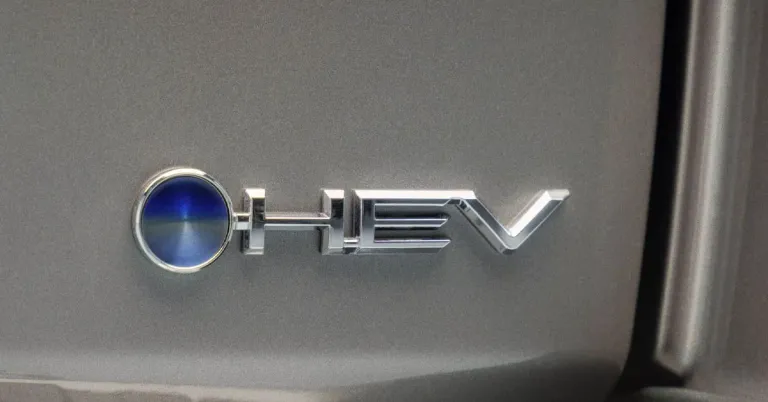
This is a proper performance-oriented parallel hybrid rather than a small motor added only to improve test-cycle economy. The electric motor can assist the petrol engine directly through the transmission, while the vehicle retains the four-wheel-drive layout expected of a Land Cruiser.
There are compromises. Placing the hybrid battery below the luggage area reduces fuel-tank capacity from 80 litres to 68 litres. The hybrid system also adds around 170 kg compared with the outgoing non-hybrid petrol V6.
Toyota has nevertheless retained a 700 mm water-wading capability by waterproofing the battery system.
The continuing diesel uses a 3.3-litre twin-turbo V6 producing 309 bhp and 700 Nm, paired with a 10-speed automatic.
It gives away a lot of power to the 457 bhp hybrid, but the diesel’s combination of strong low-speed torque and long-distance range remains well suited to the LC300’s traditional role.
Japan is also expected to get a cheaper GX diesel variant. It is a five-seater with simpler equipment, including fabric upholstery, an 8-inch infotainment screen, 7-inch instrument display, six speakers and 18-inch wheels. The hybrid will sit higher in the range in ZX and GR Sport trims.
Those versions get features including 12.3-inch driver and infotainment displays, head-up display, JBL audio, heated and ventilated seats and a 1,500W AC power outlet. The hybrid also gains electric power steering.
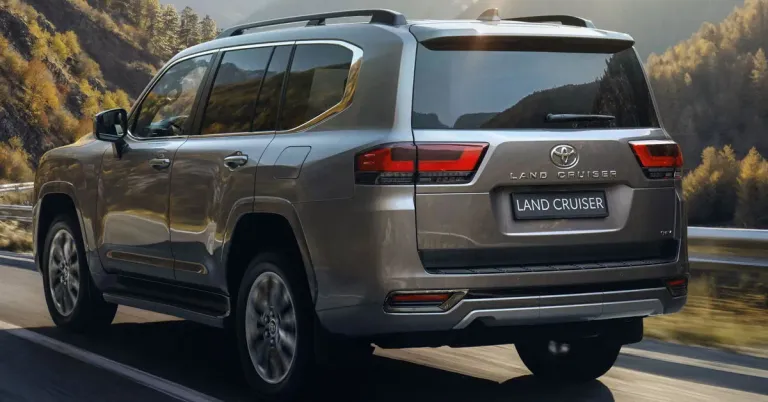
For the moment, nothing changes. The Land Cruiser 300 sold here remains diesel-only, with ZX and GR-S variants. Toyota has not announced the 457 bhp hybrid for our market.
But the global direction is becoming clear.
Toyota has already introduced the hybrid LC300 in markets including Australia and the Middle East. Japan now appears ready to replace its conventional petrol V6 with the same electrified powertrain.
If Toyota eventually brings the hybrid here, it would sit naturally alongside rather than replace the diesel, assuming the local strategy follows these overseas markets.
That would create two very different Land Cruisers.
The diesel would remain the familiar 700 Nm long-distance and off-road choice. The hybrid would add 148 bhp and 90 Nm, making it the performance flagship while still retaining the basic ladder-frame, four-wheel-drive Land Cruiser formula.
The important development is therefore not that the Land Cruiser is becoming an EV. It isn’t.
Toyota is electrifying the petrol side of the LC300 range while continuing to back diesel for buyers who still want it.
For a vehicle whose reputation has been built around remote-area travel, towing and long-distance durability, keeping diesel while replacing the pure-petrol engine with a stronger hybrid is a notably pragmatic transition.