
Mahindra now has a wide range of electric SUVs on sale in India. The Electric Origin range consists of the BE6 SPORTEQ, XEV 9e, XEV 9e Cineluxe, and XEV 9S. The carmaker has now introduced Battery as a Service (BaaS) ownership scheme on its Electric Origin range. This move has reduced the upfront costs of these models significantly. Here is everything to know.
Earlier this month, Mahindra had launched the BE6 SPORTEQ. It was the first model to get BaaS. The battery-inclusive starting price stood at Rs 19.45 lakh, ex-showroom. However, under BaaS, the prices fell by Rs 8 lakh, to Rs 11.45 lakh, ex-showroom. Tha battery rent in this case, is Rs 3.75 per km. This made the BE6 SPORTEQ a great deal.
Now, the BaaS scheme has expanded to models like the XEV 9e and 9S as well. It has brought down the entry prices of these SUVs significantly. With battery financing, the XEV 9S starts at Rs 12.65 lakh, ex-showroom. The starting price without the same is Rs 19.95 lakh for the base variant.
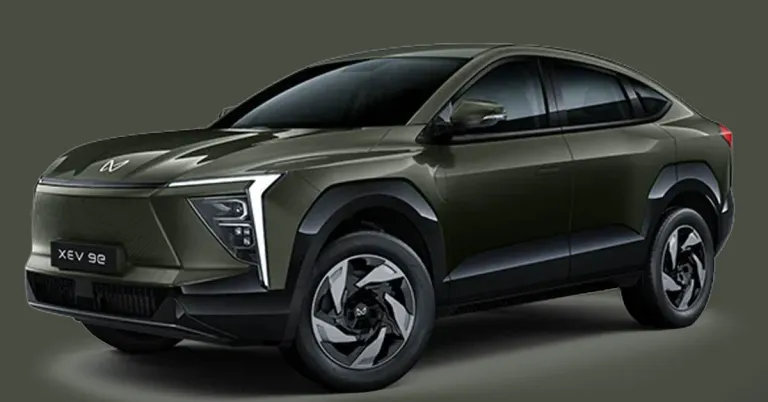
The XEV 9e’s entry price drops to Rs 13.90 lakh, ex-showroom, with BaaS. The full price stands at Rs 21.90 lakh, ex-showroom. In both cases, we can see that the introduction of BaaS program has brought down the upfront costs by over Rs 8 lakh. The battery rent in both cases remains Rs 3.75 per kilometre. This, Mahindra says, is based on a starting battery EMI of Rs 6,975 and an estimated daily commute of 60km.
The BE6 SPORTEQ and XEV 9S come with three battery options- 59kWh, 70kWh and 79 kWh. The XEV 9e is available with two batteries- 59kWh and 79kWh. BaaS is only available on the base trims with the 59kWh battery packs.
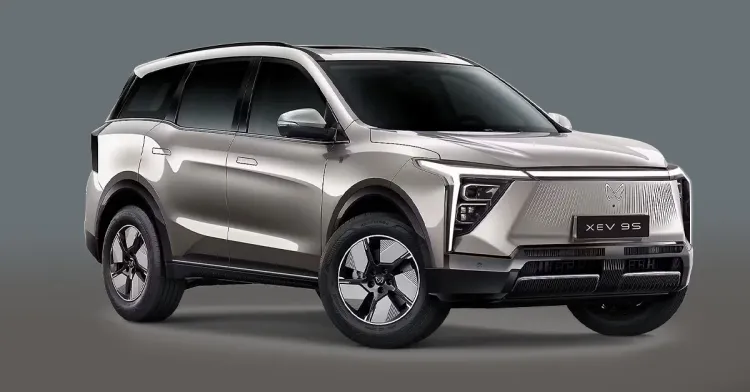
This means the Pack One 59kWh and Pack TWO 59kWh of BE6 SPORTEQ, Pack ONE Above 59kWh of XEV 9S and Pack ONE 59kWh of XEV 9e get it. It remains unclear if pack TWO 59 and Pack Three 59 of the XEV 9e qualify for the program, even though they both feature the smaller battery pack.
The BaaS program lowers the upfront costs significantly and has reportedly received overwhelming response from Mahindra customers.
BaaS, in simple terms, is a scheme in which you pay upfront for an electric car, and not its battery pack. It is essentially a financing option. The battery cost is financed per kilometre of usage for a certain tenure and based on some specific interest rate. These parameters often depend on the financier.
This can bring down the upfront costs of the vehicle. This matters particularly to those who are eyeing the base or lower variants- people who are on a tight budget. This is probably why carmakers including Mahindra often limit the scope of their BaaS schemes to lower variants.
Does BaaS actually make EVs cheaper to own? Well, not really. You still have to pay for charging, vehicle EMI if any, the upfront price and of course the battery rent. If these make financial sense would actually depend on the individual usage patterns and distance run every month. It is thus important that you get the math right before deciding on if or not to take the BaaS route.
JSW MG Motor India was the first to offer battery financing option in India. It was first introduced on the Windsor. Since then, several other carmakers have followed suit- Tata Motors, Hyundai and more- considering the warm reception that the program has had here.
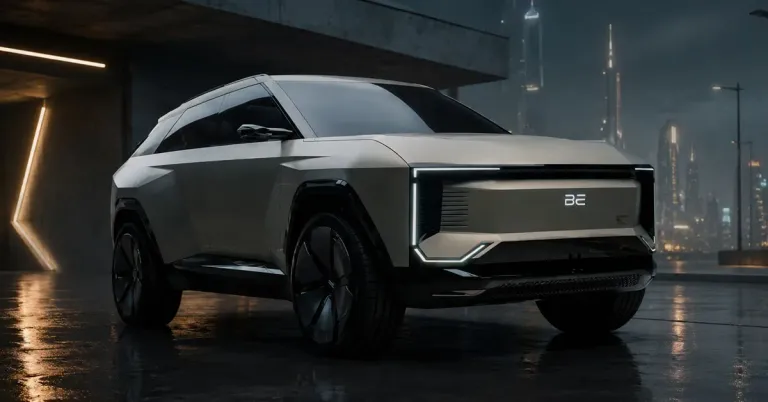
Mahindra’s Electric Origin SUVs continue to be quite popular in India. These are all based on the INGLO platform, and share their battery packs. The INGLO can support various vehicle body and cabin structures. It can support various vehicle lengths as well. The Electric Origin range now starts with the BE6 and tops out at the XEV 9S – a three-row e-SUV. The next addition to the lineup will likely be the production version of BE07. We expect it to launch sometime next year.