This includes 32% who plan to work five to 10 years past the conventional retirement age and another 26% who expect to remain employed for as long as they can, according to research by insurance provider Manulife and FT Longitude.
The study is based on an April-May survey of 1,000 high-net-worth and mass-affluent individuals in 11 locations in Asia-Pacific and the Middle East, including 250 respondents from Hong Kong.
Other markets covered include mainland China, Australia, Japan, South Korea, Malaysia, Singapore and Thailand. Respondents were aged 18 to over 80, with net worths ranging from US$3 million to more than US$50 million.
|
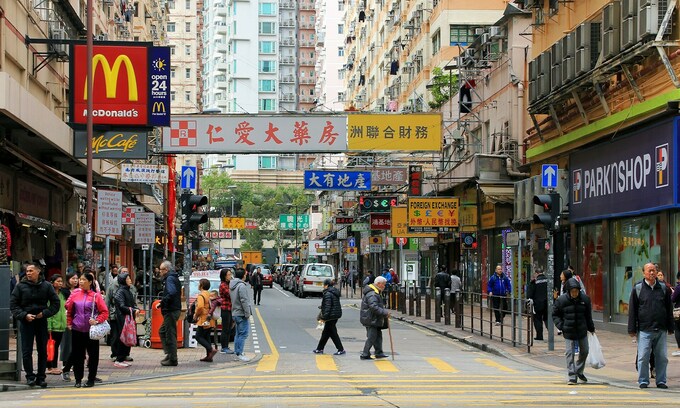
People walk the streets of Hong Kong. Photo by Unsplash |
Hong Kong’s share of respondents planning to work five to 10 years beyond the traditional retirement age is on the higher end among Asia-Pacific markets. The figure is 27% in both mainland China and Singapore and 37% in Japan.
Some 66% in Hong Kong say they are already adjusting their portfolios to accommodate a more flexible lifestyle instead of planning around a fixed retirement date.
“Hong Kong’s affluent are increasingly moving beyond the idea of a single, fixed retirement,” said Wilton Kee, CEO of Manulife Hong Kong and Macau. “Instead, many are preparing for multi-phase lives that blend work, family responsibilities and personal aspirations, yet their wealth plans may not have evolved at the same pace.”
Hong Kong has the highest share of respondents who feel unprepared for major health-related financial shocks.
Only 18% say they have a fully integrated wealth plan covering areas such as investments, taxes and succession, as many continue to rely on fragmented plans designed for shorter, more predictable life paths, the study found, according to The Standard.
Some 41% of respondents are not confident that the next generation would be able to manage the family wealth effectively, the highest proportion among all markets surveyed, but 53% say they have yet to involve their heirs in discussions about wealth planning.
The findings come as Hong Kong’s population continues to age. People aged 65 and above accounted for 22% of the city’s 7.5 million residents in 2024, according to official data, with that share projected to reach 31% by 2036, as reported by the South China Morning Post.
Another report released in June by the Hong Kong Retirement Schemes Association and pension consultant WTW estimated that a woman retiring at 65 and living to 90 would need HK$5.4 million (US$688,500). That amount would rise to HK$7.1 million if she lived to 100.
A man retiring at 65 and living to 86 would need at least HK$4.6 million, rising to HK$6.6 million if he lived to 97.