Nepal China Floods: Flash Floods Push Death Toll Higher, Over 2,400 Missing as Rescue Efforts Continue Amid Barrier Lakes Near Mount Kailash and Hindu Pilgrims
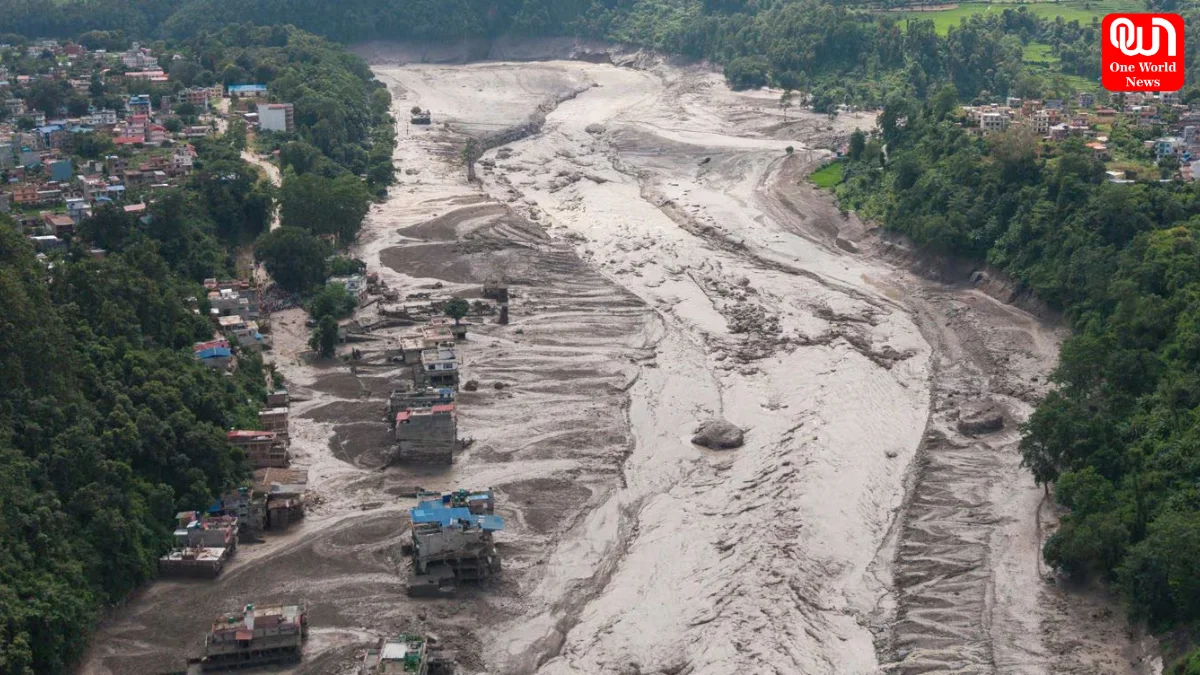
The Nepal China floods have developed into one of the region’s most devastating Himalayan disasters, with the death toll continuing to rise and thousands of people still unaccounted for. What began as catastrophic flash floods along the Nepal-Tibet border has destroyed villages, roads, bridges and key infrastructure while leaving rescue teams facing extremely difficult conditions.
The latest reports show that the situation is even more serious than initially estimated. Nepal’s disaster authorities reported that the death toll in the country had reached 626 by Saturday, while Chinese state media reported additional deaths in Tibet. Meanwhile, the combined number of missing people on both sides of the border has climbed sharply.
Death Toll Continues To Rise After Flash Floods
The devastating flash floods struck areas around Nepal’s northern border and Tibet after a sudden release of enormous amounts of water, ice and debris. The resulting wall of water swept through settlements and damaged vital infrastructure across the affected region.
Nepal has reported hundreds of deaths across several districts, with authorities continuing to recover bodies as search operations expand. Some victims were reportedly swept downstream, making identification and recovery even more challenging.
The disaster has been described as among Nepal’s deadliest natural disasters in recent years. Roads and bridges have been washed away, electricity and communications have been disrupted, and some remote communities remain difficult to reach.
Thousands Of Missing People Raise Concern
The number of missing people has become one of the most worrying aspects of the disaster. Earlier estimates had placed the combined figure above 2,400, but newer updates indicate that the number could now be approaching 3,000 as authorities add additional residents and workers to official lists.
Nepal’s disaster authority significantly increased its missing-person tally after adding hundreds of hydropower workers. The list also includes trekkers, tourists and pilgrims who were travelling through the region when the floods struck.
Families have gathered at hospitals and emergency centres, waiting for information about relatives who remain unaccounted for. Damaged communication networks and blocked roads have made it difficult for authorities to establish the whereabouts of many people.
Rescue Efforts Continue Despite Dangerous Conditions
Rescue efforts are continuing in Nepal and Tibet, but rescuers are working against difficult terrain, damaged infrastructure and the possibility of additional flooding.
Nepalese security forces have deployed helicopters and emergency teams to reach isolated locations. Rescuers have also been working to locate people trapped in tunnels and damaged hydropower facilities. Hundreds of people have already been evacuated from some of the worst-hit areas.
Read more: Pak Rebuilds Jaish-e-Mohammed HQ At Bahawalpur Destroyed By India In Op Sindoor | Exclusive | World News
In Tibet, Chinese rescue teams have reached some of the hardest-hit areas. However, operations have periodically been slowed or suspended because of concerns over unstable water levels and the possibility of another flood.
Barrier Lakes Create A New Flood Threat
One of the biggest concerns now is the formation of barrier lakes created by huge quantities of mud, rock and debris blocking natural waterways.
Officials have warned that rising water behind one such temporary blockage could create another dangerous surge if the barrier breaks. Chinese authorities previously described the situation as carrying a high flood risk, although later assessments indicated that water levels at one affected lake had begun falling.
The threat has complicated rescue operations because emergency workers must balance the urgent search for survivors with their own safety.
Mount Kailash Pilgrims Among Those Affected
The disaster has also raised concerns about travellers heading toward Mount Kailashone of the most important pilgrimage destinations in the Himalayan region. The sacred mountain attracts Hindu pilgrims as well as followers of Buddhism, Jainism and other traditions.
Several pilgrimage and travel groups were in the region when the disaster occurred. International reports have highlighted concerns over foreign nationals and Hindu pilgrims who remain missing or unaccounted for.
The difficult geography around the Nepal-Tibet border has made it especially challenging to determine the status of travellers who were moving between remote settlements and border crossings.
Reasd more: Imran Khan Sent Back To Adiala Jail After Medical Check-Up At Islamabad Hospital
What Happens Next?
Authorities now face a race against time. Rescue efforts must continue while officials monitor unstable slopes, damaged rivers and temporary barrier lakes that could produce another wave of flooding.
With the death toll already exceeding earlier estimates and thousands of missing people still unaccounted for, the focus remains on finding survivors, restoring communication links and providing emergency supplies to isolated communities.
The Nepal China floods have demonstrated how quickly Himalayan flash floods and unstable glacial environments can turn into a major humanitarian crisis. As rescue teams continue their work, authorities on both sides of the border remain on alert for further flooding and landslides.