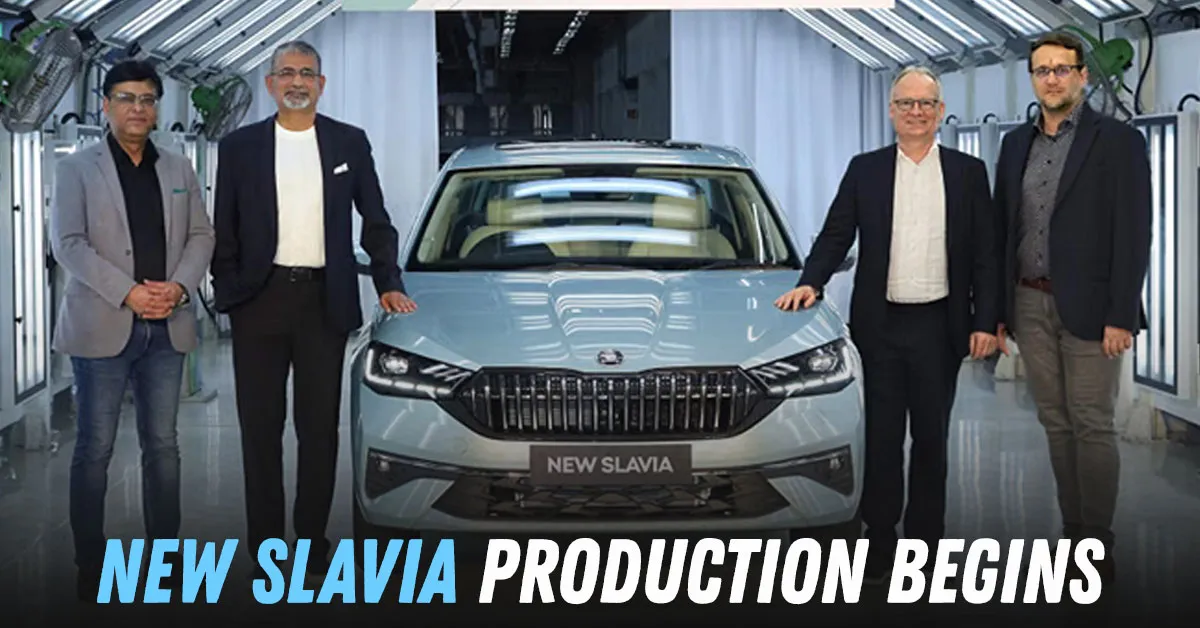
Production of the updated Skoda Slavia has begun at Skoda Auto Volkswagen India’s Chakan plant near Pune, putting the sedan on course for its market launch in the coming days. The facelift is more than a cosmetic refresh. It brings a new eight-speed torque-converter automatic for the 1.0-litre TSI engine, a 360-degree camera, larger digital displays and a rear-seat massage function.
Prices have not been announced yet. The outgoing Slavia is priced from about Rs 10 lakh to Rs 18.19 lakh, ex-showroom, while the updated car is expected to start at roughly Rs 10.25 lakh and extend to around Rs 18.75 lakh. Pre-bookings are already open, with deliveries expected to begin after the price announcement.
The engine line-up itself remains familiar. The 1.0-litre three-cylinder TSI continues to make 115hp and 178Nm, while the 1.5-litre four-cylinder TSI produces 150hp and 250Nm. The smaller engine keeps a six-speed manual, but its previous six-speed automatic is being replaced by a new eight-speed torque-converter gearbox.
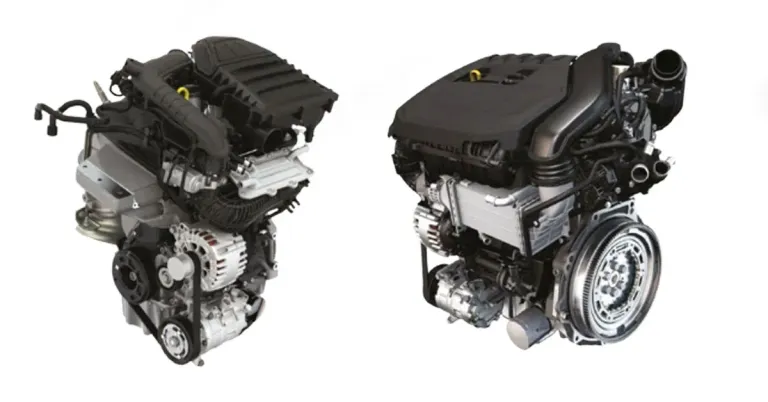
That is an important update because the 1.0 TSI automatic is likely to remain the higher-volume choice for buyers who want an automatic sedan without moving up to the 1.5 TSI. The more powerful engine continues with a seven-speed DSG, and Skoda has also added rear disc brakes to 1.5 TSI versions.
The facelift also adds equipment that was missing from the earlier Slavia. A 360-degree Area View camera replaces the simpler reversing-camera setup on higher variants, while front parking sensors are added through Skoda’s Park Pilot system. The cabin gets a 10.25-inch digital instrument display and a 10.1-inch infotainment screen with wireless Android Auto and Apple CarPlay.
The infotainment system also gains an AI Companion using Google Cloud technology. The unusual addition is a rear-seat massage function, a feature that has already appeared on the updated Kushaq and is now being brought to the sedan. Six airbags remain standard, and the Slavia continues with its five-star Global NCAP rating from the earlier test protocol.
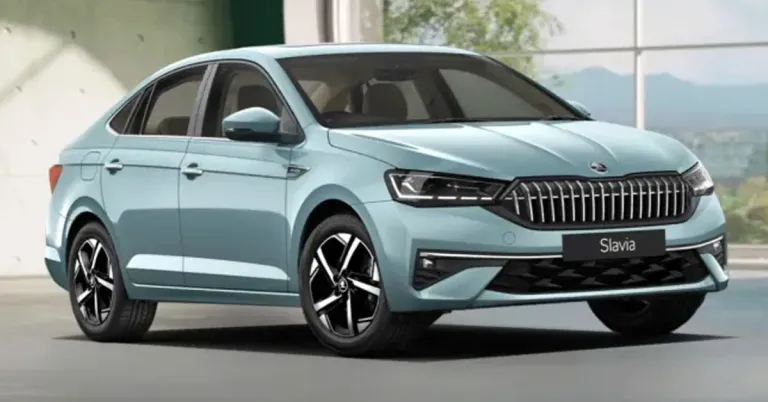
Outside, the changes include new LED headlamps, revised LED tail-lamps with sequential rear indicators, new alloy-wheel designs and refreshed bumpers and trim. Skoda has also confirmed the Monte Carlo version as part of the launch line-up.
The Slavia has sold nearly 80,000 units since launch and Skoda says it accounts for around 30 percent of its segment. Starting production now means dealers should receive stock close to the price announcement rather than waiting several weeks after launch.
That timing matters because the midsize-sedan field remains competitive. The Slavia faces the Volkswagen Virtus, Hyundai Verna and Honda City, and buyers in this segment tend to compare powertrains and features closely. The new gearbox addresses one of the biggest mechanical differences between the Slavia and newer rivals, while the added cameras, screens and rear-seat features strengthen the equipment list.
The facelift also keeps the fundamentals that existing Slavia buyers know: the locally developed MQB-A0-IN platform, the same two turbo-petrol engine families and a sedan body with a long wheelbase. In other words, this is not a clean-sheet replacement. Skoda is trying to improve the areas where the car had begun to look dated without changing the mechanical character that owners already recognise.