
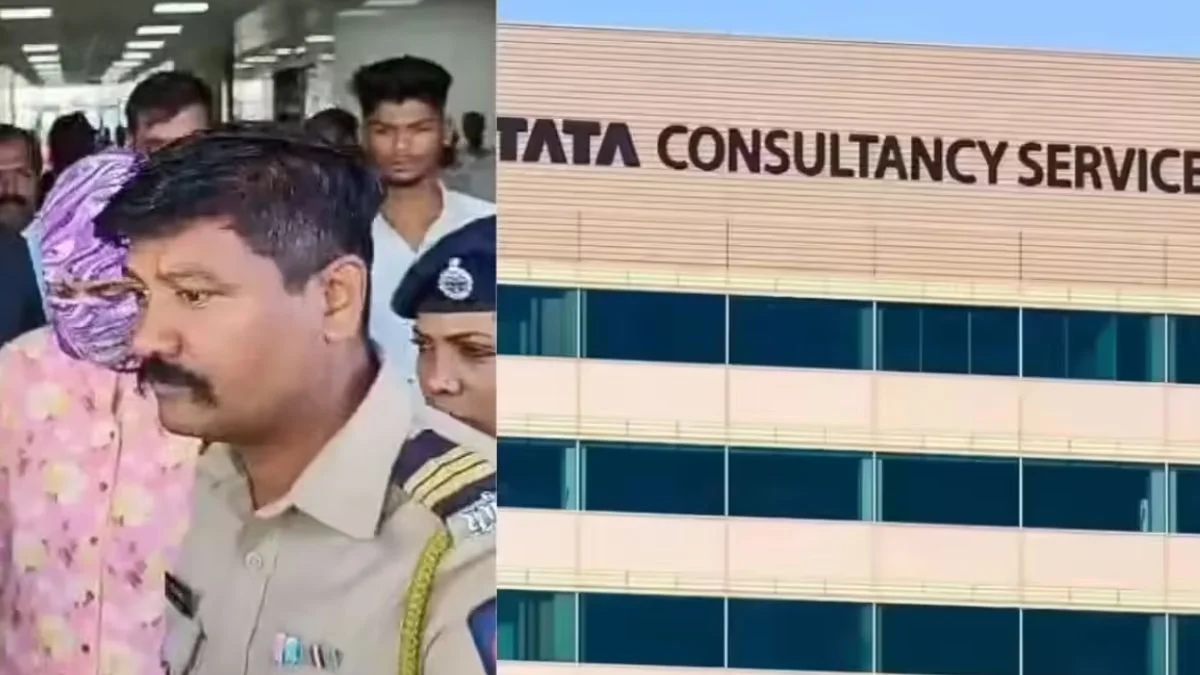
NHRC writes to Maharashtra DGP over alleged religious conversion, sexual harassment at TCS Nashik office

The National Human Rights Commission (NHRC) has taken cognizance of allegations of religious conversion and sexual harassment at the Tata Consultancy Services (TCS) office in Nashik, Maharashtra, and has written to various departments, including the Maharashtra Director General of Police (DGP). The move signals that the commission is formally reviewing the incident as a potential human rights and workplace‑violence issue, beyond the ongoing criminal‑law probe.
In its letter, the NHRC has stated that the complainant, representing the Legal Rights Observatory, alleged that an organized racket involving religious conversion and sexual exploitation is being operated within the TCS office in Nashik, Maharashtra. The complaint reportedly cites the involvement of certain employees in pressuring or coercing women colleagues into religious practices and conversions, alongside allegations of sexual and mental harassment. The NHRC has accordingly sought details of the action taken by the state police and other relevant authorities, as part of its mandate to monitor violations of human rights in India.
Maharashtra police, in the meantime, have already registered multiple FIRs and formed a special investigation team to probe the accusations, which are said to span several years and involve multiple women employees. At least seven TCS staff members, including a senior HR official, have been arrested on charges of sexual harassment, mental harassment and alleged coercion linked to religious conversion. TCS has publicly stated that it has a “zero‑tolerance” policy towards harassment and coercion and has suspended the employees named in the complaints pending the outcome of the investigation.
The NHRC’s intervention highlights how the case has moved from a workplace‑grievance and criminal‑law matter to a broader human‑rights and institutional‑accountability question. Observers expect the Commission may later issue directions on preventive measures, workplace safeguards, and oversight mechanisms in corporate environments, especially where young women employees are concerned.

Comments are closed.