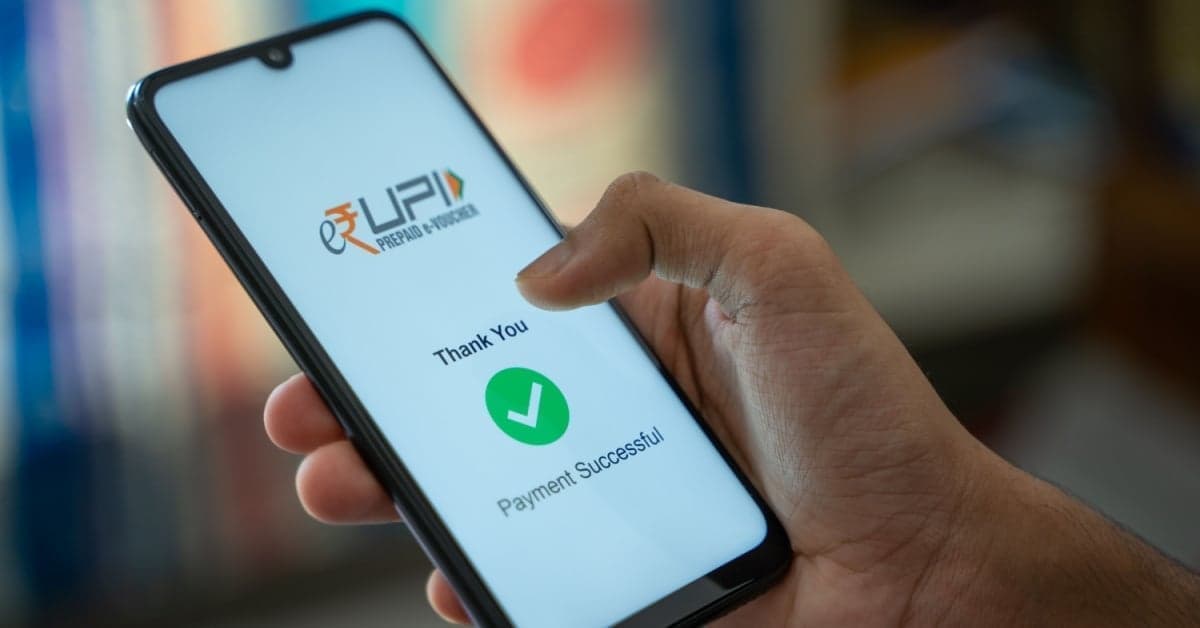
NPCI is set to make UPI AutoPay interoperable, allowing users to port mandates across UPI apps and merchants to move them between payment providers
The proposed changes could reduce the hold of dominant UPI apps and payment gateways over recurring payments while making it easier for consumers and merchants to switch providers
The features are expected to be announced at the Global Fintech Fest in Mumbai next month
The National Payments Corporation of India (NPCI) is reportedly set to make UPI AutoPay interoperable, allowing users to port their existing mandates across UPI apps and merchants to move mandates from one payment provider to another.
Under the proposed system, users would be able to shift existing AutoPay mandates to another UPI app instead of cancelling and recreating them for subscriptions, insurance premiums, SIPs, or loan repayments, Mint reported, citing sources.
Similarly, merchants switching payment gateways or acquiring banks would be able to move existing mandates to the new provider without requiring customers to register again.
Both features are expected to be announced at the Global Fintech Fest in Mumbai next month, as per the report.
The change will not alter the bank account linked to a mandate. Recurring payments will continue to be debited from the account originally authorised by the customer. The interoperability will instead allow eligible mandates to be accessed across UPI apps.
Inc42 has reached out to NPCI for a comment on the development. The story will be updated on receiving a response.
A cross-app view could also make it easier for users to monitor upcoming debits and identify subscriptions they no longer use.
The NPCI launched UPI AutoPay in 2020 to enable recurring payments for services such as subscriptions, insurance premiums, loan repayments, and mutual fund investments.
The proposed interoperability could particularly benefit smaller UPI apps such as Navi, FamApp, and Flipkart-backed super.money, which compete with market leaders PhonePe and Google Pay.
For merchants, the change could remove dependence on their existing payment providers. Currently, businesses switching payment gateways can route new customers through the new partner, but mandates created earlier remain with the previous gateway.
NPCI and payment gateways have been working on systems that allow merchants to port mandates between acquiring partners, according to the report.
The proposed changes come amid strong growth in UPI-based recurring payments. The top 10 banks cumulatively processed nearly 1.8 Bn UPI emandate transactions in July 2026, more than three times the 585 Mn transactions processed in the year-ago period, according to NPCI data cited in the report.
More UPI Changes Ahead
Separately, NPCI is said to be working on a common infrastructure for UPI soundboxes, which could allow merchants to receive payment confirmations through a single device regardless of the UPI app used by a customer.
Currently, soundboxes largely operate within individual fintech ecosystems, prompting some merchants to use separate devices from providers such as Paytm, PhonePe, and Google Pay. A common platform could reduce hardware duplication, but may affect the rental income fintech companies earn from these devices.
The development comes as the broader UPI ecosystem undergoes changes around merchant payments. Parliament recently cleared a bill enabling the government to introduce MDR on select UPI transactions, potentially opening a new revenue stream for banks and payment companies.
However, the amendment is only an enabling provision and does not itself impose MDR. Finance minister Nirmala Sitharaman has said consumers will not be charged for UPI transactions and that any future MDR would apply only to a limited set of merchant payments above a specified threshold.
The NPCI-led UPI and Services Steering Committee will determine whether MDR should be introduced and, if so, its scope and structure.
UPI processed a record 23.66 Bn transactions worth ₹29.88 Lakh Cr in July 2026.