NPU vs GPU: Architectural design paradigms define how modern processing platforms divide complex deep learning computations. The source text accurately evaluates the functional shift from classic parallelized graphics pipelines toward dedicated edge-based neural accelerators. The increasing demand for advanced AI processing capabilities has resulted in a need for specialized hardware that can efficiently manage complex AI tasks. GPUs have traditionally served as the main processing components for AI workloads.
Their architecture is amenable to massive data sets being worked upon in parallel, which is ideal for training machine learning models. The growing demand for AI processing power at user locations has led to the development of Neural Processing Units. NPUs process AI tasks through their design, which enables them to execute image recognition, speech processing, and real-time inference tasks on devices.
The development of AI systems requires faster processing capabilities, which creates competition between GPUs and NPUs to determine future computing trends. Before delving into why GPUs have become the standard for AI computing, it is important first to remember how GPUs came into being: for video games and visual productions. The design of their architecture, which supports concurrent processing operations, enables GPUs to execute AI tasks with great efficiency.
The comparison between GPUs and NPUs shows that both systems possess unique advantages that allow them to perform different types of computing tasks.CPUs process tasks in a sequential manner, while GPUs can execute multiple operations at the same time, which makes them suitable for deep learning model training, large neural network operations, and massive dataset processing. NVIDIA continues to lead the AI hardware market by creating GPUs that machine learning users need for their work.GPUs provide multiple benefits to users, which include
- GPUs deliver high processing capabilities, support large data center operations, and adapt to various computational needs of different tasks.
- GPUs serve as the primary training solution for advanced AI models, which include large language models and computer vision systems.
NPUs function as specialized processing units that handle artificial intelligence tasks. The design of Neural Processing Units, which people call NPUs, is a dedicated processing system that executes artificial intelligence tasks. NPUs serve as dedicated AI processing units because they execute neural network models with better efficiency than standard GPUs, which function as multipurpose computing accelerators.NPUs appear in modern smartphones and laptops because these devices use NPUs for features like
- AI-powered photo enhancement
The processors deliver exceptional performance while operating at low energy consumption levels.
Why NPUs Are Important
AI applications require edge devices to function efficiently because they operate at the boundary between the user and the core system. NPUs provide:
- Faster on-device processing
- Reduced reliance on cloud computing
NPUs function as essential components for systems that need immediate feedback.
NPU vs GPU: Key Differences
Performance vs Efficiency
NPUs and GPUs differ from each other because their design differences result in different performance capabilities. It is the high processing speed of CPUs that paves the way for parallel computing with a command line. NPUs focus on efficiency and specialized AI performance. Your system needs an explanation of your work.
The GPU system trains AI models in data centers, and the NPU system performs real-time AI tasks on devices.
Power Consumption
The power usage of GPUs exceeds that of NPUs by a substantial amount. The power needs of NPUs make them better suited for use in mobile devices and battery-operated equipment.
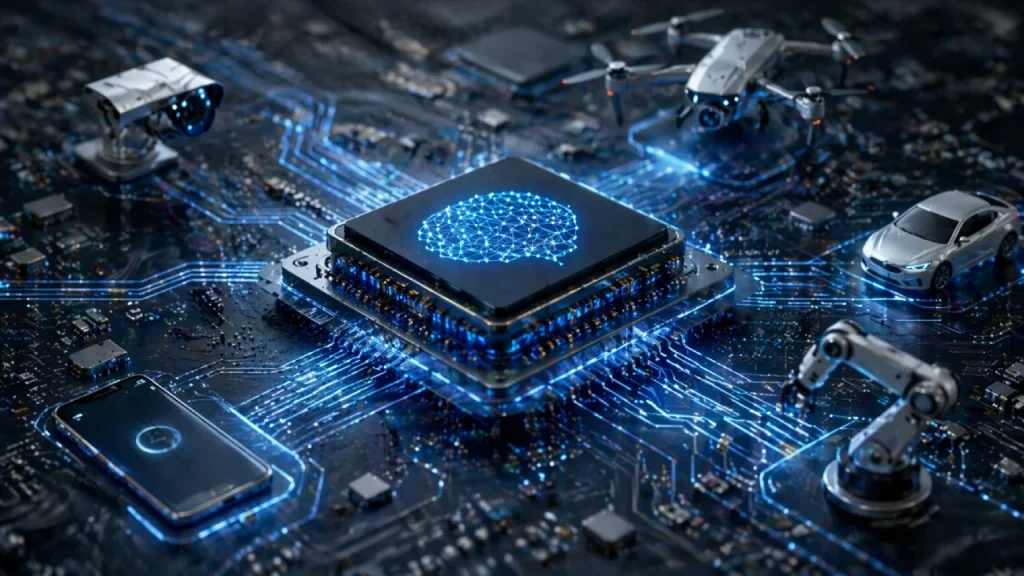
The Rise of On-Device AI
AI processing used to take place in cloud data centers, but this method has its problems. NPUs enable on-device AI to process data through local device processing. This technology enables devices to process data without needing to connect to the internet.
For example
- Smartphones can recognize faces at an instant speed
- Voice assistants can answer queries without requiring cloud data transmission
- Cameras enable real-time image enhancement through their built-in capabilities
- The shift toward this new technology is leading to increased use of NPUs in consumer electronics.
Industry Adoption of AI Chip
Tech firms make substantial investments in artificial intelligence hardware development. The company has developed its own chips, which contain NPUs known as the Neural Engine for its iPhone and Mac products. Qualcomm Snapdragon processors contain integrated AI engines. The companies Intel and AMD currently work on developing AI acceleration technology for personal computers.NVIDIA maintains its leading position in the AI computing field through GPU technology.
AI hardware development has become an essential component that determines competitive advantages between technology companies.
Hybrid Computing: The Future Architecture
The CPU system, together with GPU and NPU systems, is the future of computing, using multiple processors that work together to process tasks. The CPU system handles all general processing tasks. The GPU system processes multiple tasks simultaneously at high computational speed.
The NPU system executes all artificial intelligence processing tasks. The hybrid system design enables devices to achieve optimal performance levels while maintaining energy efficiency and operational capacity. A modern laptop PC lets users run multiple applications simultaneously while accessing different digital platforms.
The system uses the CPU for standard applications, while the GPU handles graphics needs and demanding tasks; the NPU handles AI capabilities, which include background blurring and voice recognition. The article describes two main problems that researchers encounter when they attempt to create artificial intelligence hardware.
The specialized AI chip development process requires high expenses and complex technical work because companies need to find the best combination of performance, manufacturing expenses, and power usage.
The current hardware needs additional software solutions because developers require complete software framework systems that enable them to maximize their work with NPUs and GPUs. The different AI hardware systems today lack standardization, which creates additional difficulties for developers who need to create new systems.
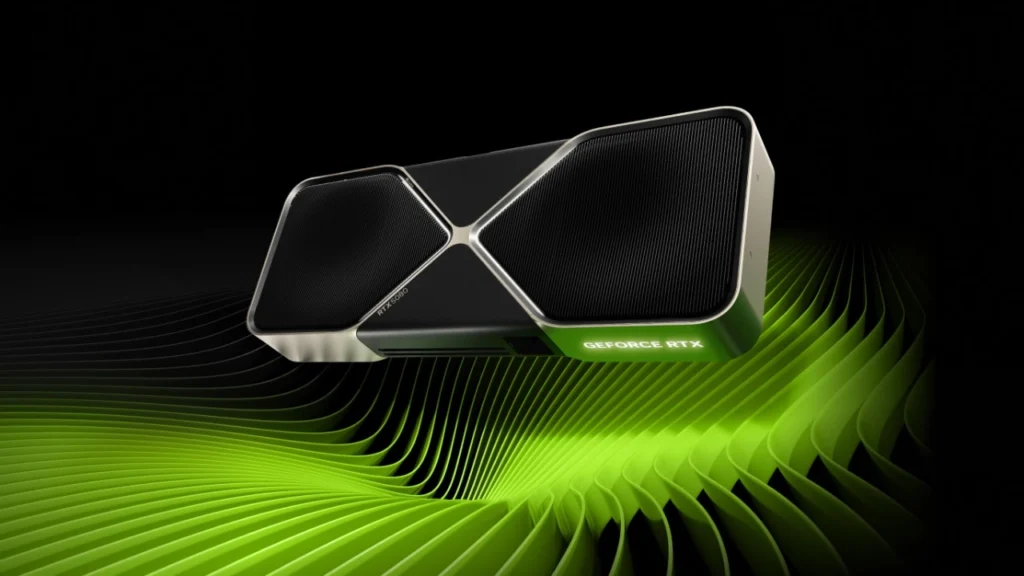
The Future of AI Chips
Faster, Smarter, and More Efficient
As AI continues to evolve, hardware will become more advanced. Future developments may include:
- More powerful NPUs in consumer devices
- Improved integration between hardware and software
Final Thoughts
The demand for AI processing will continue to grow, driving innovation in chip design. The competition between NPUs and GPUs demonstrates their partnership in modern computing because both technologies work together to create better results. GPU technology will remain the leading solution for extensive AI training processes, while NPU technology will enable users to access real-time AI functions on their devices.
These two technologies work together to create an artificial intelligence future that delivers faster, more efficient, and easier-to-access solutions. The growing presence of AI in daily life will create a need for specialized hardware components, which include NPUs and GPUs, to establish the fundamental framework for upcoming computing advancements.
(Source)