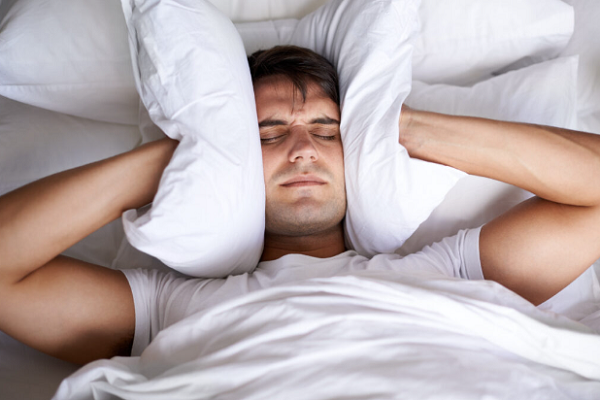
Generally, after getting adequate sleep of 7 to 8 hours, one should feel fresh when waking up in the morning, but many people feel tired and drowsy continuously even after rough sleep. People associate this problem with stress, excessive work or poor lifestyle. However, according to medical experts, in some cases the shape of your teeth also directly affects the quality of sleep. If the root is short or bent backwards, the tongue and surrounding tissue can narrow the airway while sleeping, which increases the risk of 'obstructive sleep apnea'.
While sleeping at night, all the muscles of the body relax. During this time, the soft tissue around the tongue and mouth may move backward. If a person's lower jaw is short or is at the back, then there is not enough space inside the mouth for the tongue. Due to this, there is pressure on the trachea and the airway becomes narrow. Due to this situation, the problem of breathing stopping or slowing down occurs frequently during sleep. Excess weight, increasing age and irregular lifestyle also increase this risk.
Obvious symptoms like loud snoring or stopping breathing are not seen in every patient suffering from sleep apnea. In many cases, its main symptom is persistent fatigue throughout the day. A person does not feel fresh in the morning even after spending 7 to 8 hours in bed. Apart from this, symptoms like headache in the morning, excessive sleepiness during the day, irritability and difficulty in concentrating at work are also seen. Due to frequent obstruction in breathing at night, the quality of sleep deteriorates, due to which there is drowsiness throughout the day.
-
Appropriate treatment is decided only after investigation
If there are problems like persistent fatigue, snoring, headache in the morning or difficulty in breathing during sleep, it is necessary to seek medical advice without delay. During the examination, the doctor checks the structure of the jaw, condition of the teeth, space of the tongue and width of the windpipe. If necessary, a 'sleep study' is also done, through which the severity of sleep apnea can be known.
The treatment of this disease is not the same for every patient. Some people may be given lifestyle changes, CPAP machines or special types of oral appliances. If severe structural defects of the jaw cause major obstruction in breathing, then in some cases orthodontic treatment or surgery is also resorted to. The main objective of the treatment is not only to reduce snoring but also to ensure quality sleep by keeping the airways open during sleep.