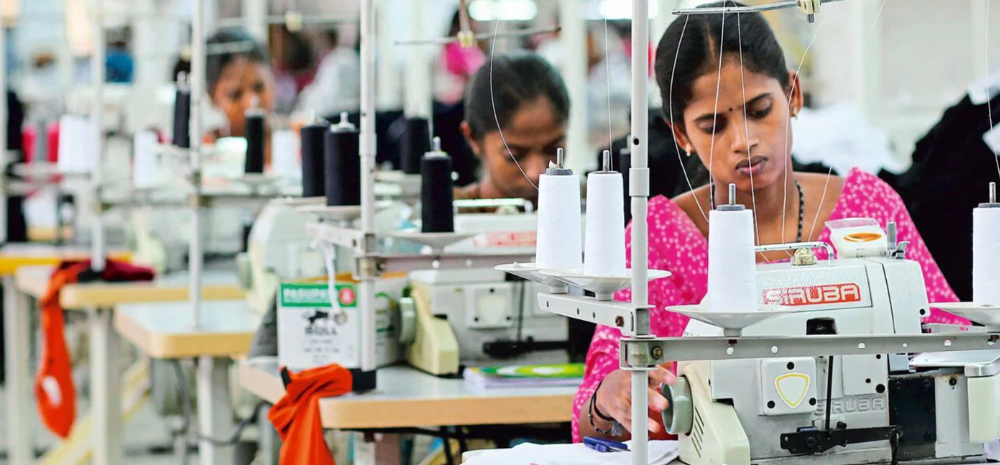
A Major Mismatch Between Education and Employment
India is facing a significant skills mismatch, with only 8.25% of graduates working in jobs that directly match their academic qualifications, according to a new NITI Aayog report. The findings highlight a widening gap between what students learn in colleges and universities and the skills employers actually seek.
The report points to the growing challenge of ensuring that higher education translates into meaningful employment opportunities, particularly as India’s workforce becomes increasingly important to the country’s economic ambitions.
Employability Remains a Major Challenge
While India’s higher education system continues to expand, the report suggests that obtaining a degree does not necessarily guarantee access to a job aligned with that qualification.
A large proportion of graduates are entering occupations unrelated to their fields of study. This can result in underutilisation of specialised knowledge, longer periods of job searching and additional pressure on young workers to acquire new skills after graduation.
The situation also raises questions about whether academic curricula are keeping pace with rapidly changing requirements across industries.
Technology Is Changing the Skills Employers Need
The skills gap is becoming particularly important as businesses adopt artificial intelligence, automation, digital platforms and other emerging technologies.
Employers increasingly require practical capabilities alongside traditional academic knowledge. Skills such as digital literacy, analytical thinking, communication, problem-solving and industry-specific technical expertise are becoming increasingly valuable.
This creates a challenge for India’s education institutions, which need to balance theoretical learning with practical exposure and workplace-oriented training.
Greater Focus on Industry-Linked Education
The NITI Aayog findings underline the need for closer collaboration between educational institutions and employers. Stronger industry partnerships could help universities understand changing workforce requirements and update courses accordingly.
Internships, apprenticeships, project-based learning and vocational training could also give students greater exposure to real-world work before they graduate.
For students, the message is equally important: a degree may increasingly need to be supplemented by relevant skills and practical experience to improve employment prospects.
India’s Workforce Opportunity
India has a large and relatively young workforce, giving the country a potentially significant advantage as global companies expand their operations and diversify supply chains.
However, converting this demographic advantage into economic growth will depend heavily on whether workers possess the skills businesses need. The low proportion of graduates working in degree-matched jobs shows that improving employability must remain a key priority.
Bridging the education-employment divide could ultimately help graduates find more suitable careers while enabling companies to access a workforce better prepared for the demands of a rapidly changing economy.
Summary
Only 8.25% of Indian graduates are reportedly employed in jobs matching their degrees, according to a NITI Aayog report highlighting the country’s skills gap. The findings point to a disconnect between higher education and industry requirements, strengthening the case for practical training, internships, apprenticeships and industry-linked curricula to improve graduate employability and better prepare India’s workforce.