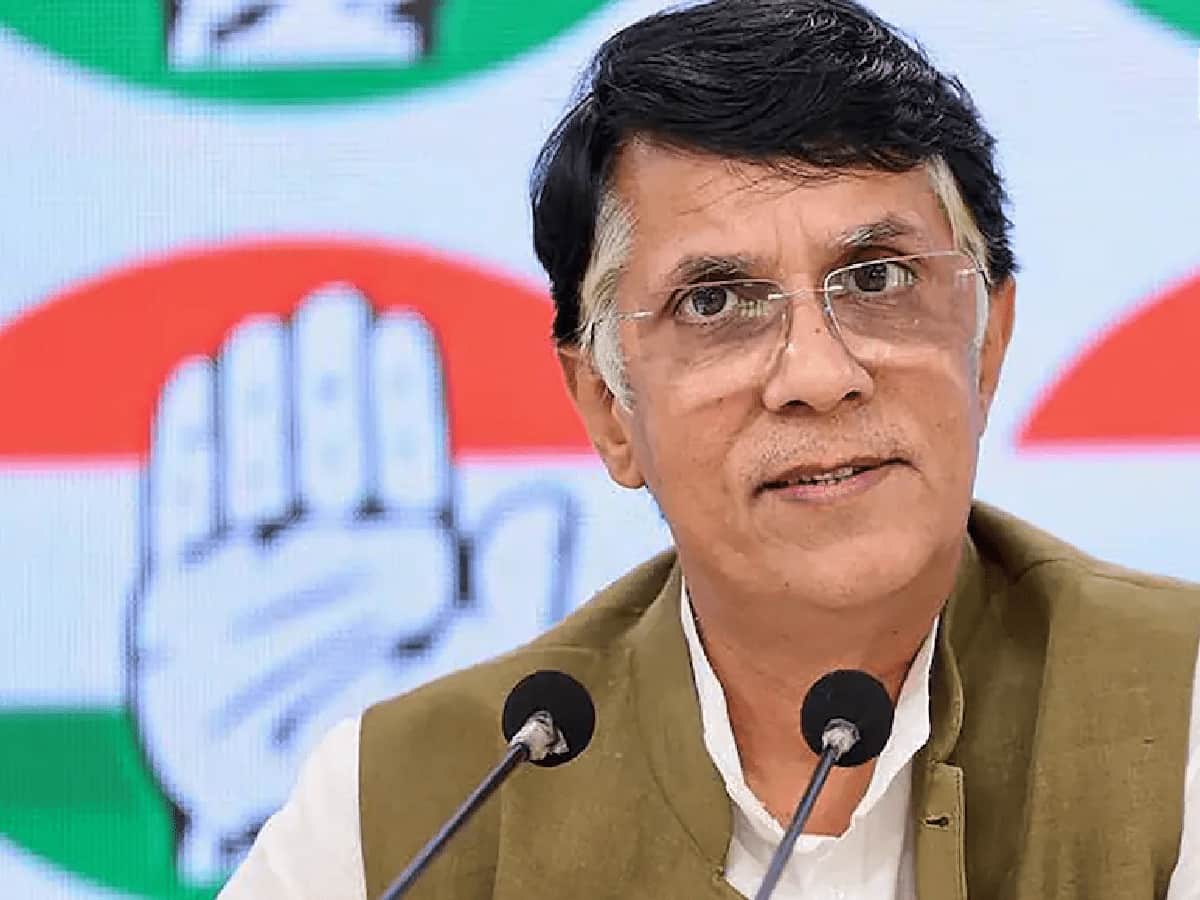
Launching a sharp offensive against the Election Commission of India (ECI), Congress senior spokesperson and media department head Pawan Khera accused Chief Election Commissioner Gyanesh Kumar of exacerbating confusion rather than addressing internal dissent within the poll body. Addressing a press conference in New Delhi on Sunday, September 27, 2026, Khera emphasized that modifications introduced to voter registration Form 6 violate statutory election norms, as no executive body can unilaterally alter forms governed by the Registration of Electors Rules, 1960 without parliamentary approval. Pointing to documented objections raised by Election Commissioners Sukhbir Singh Sandhu and Vivek Joshi, Khera asserted that if the foundational changes to Form 6 lack legal standing, the entire Special Intensive Review (SIR) process built upon it is inherently unlawful, raising serious questions about recent election processes across West Bengal and Bihar.
Violating Statutory 1960 Rules: Why Changing Form 6 Requires Parliamentary Sanction
Khera challenged the administrative authority of the poll body to modify standardized electoral instruments without legislative oversight:
Statutory Nature of Form 6: Highlighting provisions under the Registration of Electors Rules, 1960, Khera underscored that Form 6 is a legally codified statutory instrument that cannot be rewritten or modified through executive fiat or internal administrative circulars.
Prerogative of Parliament: The Congress leader asserted that any substantial structural changes, added fields, or documentary burdens introduced to Form 6 legally necessitate statutory amendments passed on the floor of Parliament.
Internal Commission Rift: Referencing investigative reports detailing divisions inside Nirvachan Sadan, Khera noted that Election Commissioners Sukhbir Singh Sandhu and Vivek Joshi had formally raised objections before CEC Gyanesh Kumar regarding these unilateral changes, questioning why the Commission has failed to provide a transparent explanation to the nation.
‘If Form 6 Is Illegal, SIR Is Illegal’: Questioning Bengal and Bihar Roll Revisions
Building on the procedural challenges surrounding Form 6, Khera questioned the broader legality of the nationwide voter review drive:
Tainted Verification Framework: The Congress spokesperson argued that because the revised Form 6 forms the operational foundation of the Special Intensive Review (SIR), executing the drive using legally contested parameters invalidates the entire verification exercise.
Challenging Election Legitimacy: Khera stated that the integrity of electoral contests conducted in major states like West Bengal and Bihar now faces serious scrutiny, as voter list purges and additions were carried out under this contested framework.
Dodging Accountability: Instead of addressing the core constitutional questions regarding split votes and statutory non-compliance, Khera remarked that CEC Gyanesh Kumar “spread the raita even more” by issuing defensive, ambiguous explanations that generate further public mistrust.
Bypassing Local EROs: Centralization Fears Around ECINet and Digital Filtering
Khera also criticized the technological overhaul of voter list management through the centralized ECINet portal:
Redundant Oversight Committees: The Congress leader questioned the necessity of creating a new micro-committee on top of the already functioning Project Steering Committee, which already features Deputy Election Commissioners alongside technological experts from premier institutions like IITs and IIMs.
Disempowering Grassroots Officers: Previously, local Electoral Registration Officers (EROs) handled electoral rolls based on ground familiarity, verifying deaths, migrations, and local address shifts through direct verification.
Opaque Digital Purges: Operating voter additions and deletions through centralized digital platforms like ECINet detaches the verification process from ground reality, creating systemic risks of arbitrary deletions and unaccountable errors.
VIP Bias vs Common Citizen: Discrepancies in Goa Rolls and Home Delivery Services
Highlighting stark operational disparities in how the Election Commission interfaces with different classes of citizens, Khera demanded equal constitutional treatment:
The Goa Discrepancy Case: Citing 97 disputed voter registrations flagged in Goa, Khera revealed that 82 cases were quietly corrected only after intense political scrutiny, questioning why public pressure was required to fix clear discrepancies and what will happen to millions of similar unresolved cases across India.
VIP Protocol vs Public Queues: Khera alleged a discriminatory double standard where ordinary citizens are forced to stand in lengthy lines and navigate bureaucratic hurdles, while privileged VIP individuals receive door-to-door verification services from election staff.
National Democratic Movement: Concluding his briefing, Khera declared that the battle against compromised electoral integrity extends beyond the Congress party, affirming that citizens and regional opposition parties across the country are standing united to hold the Election Commission accountable.