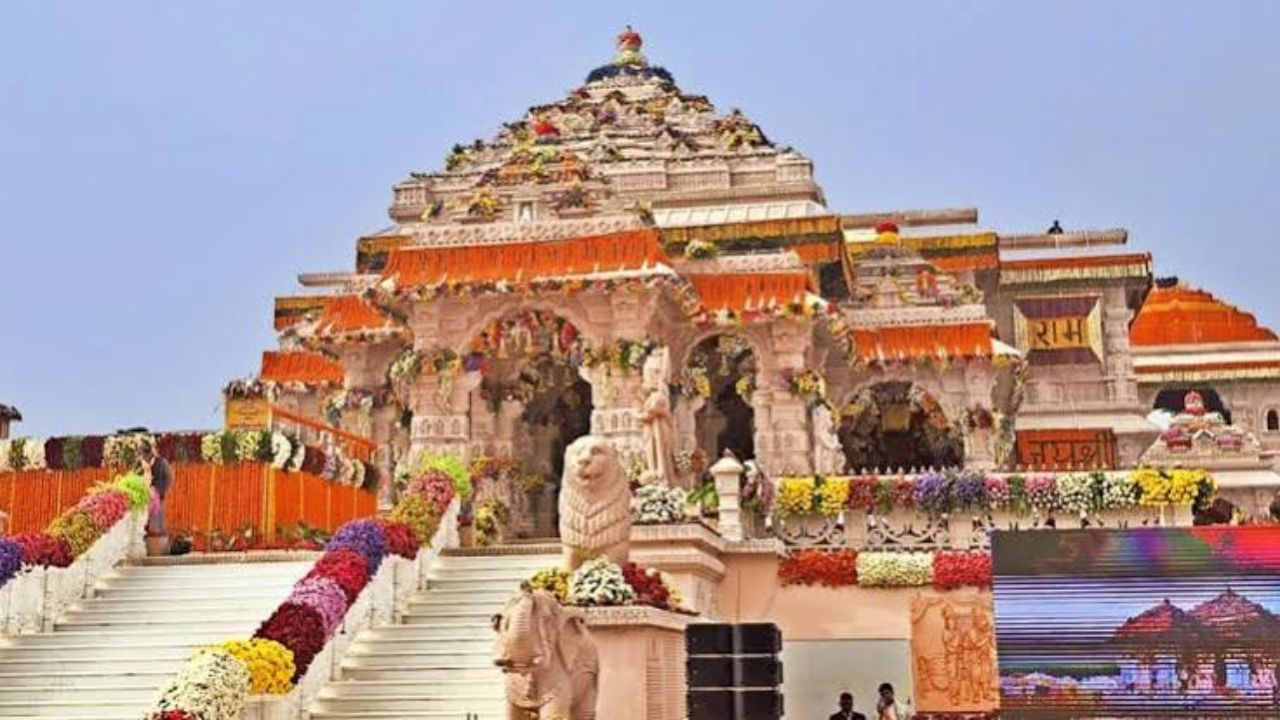
Lucknow: Devotees planning to visit the Ram Temple in Ayodhya will now have a simpler and smoother darshan experience. The Shri Ram Janmabhoomi Teerth Kshetra Trust has abolished the special pass system that was earlier required for devotees to visit the Ram Darbar on the first floor of the temple.
With this change, pilgrims no longer need to obtain an additional pass after having darshan of Ram Lalla. Instead, they can directly proceed to the first floor and offer prayers at the Ram Darbar through the regular darshan route.
The decision is aimed at making the pilgrimage more convenient and reducing the extra steps that devotees previously had to follow.
What Has Changed in the Darshan Process?
Under the revised arrangement, devotees will first join the regular queue for Ram Lalla darshan on the ground floor. After completing their prayers, they can continue to the first floor for Ram Darbar darshan without leaving the queue or securing a separate pass.
Earlier, access to the Ram Darbar was regulated through a limited number of special passes issued by the temple authorities. The pass system was introduced after the first-floor shrine was opened to devotees, with entry managed through fixed time slots to control crowds.
That requirement has now been withdrawn completely.
ALSO READ: FCRA Amendment Bill 2026 Explained: What Centre Wants To Change And Why Oppn, NGOs Are Opposing It
Why Was the Special Pass System Removed?
According to the Shri Ram Janmabhoomi Teerth Kshetra Trust, the decision was taken to simplify the darshan process and make it more accessible for devotees visiting the temple.
The Trust believes that removing the additional pass requirement will help pilgrims visit both Ram Lalla and Ram Darbar in one seamless journey. Devotees will no longer have to leave the darshan route or wait separately to obtain another pass before proceeding upstairs.
The revised system is expected to improve crowd movement while offering a more convenient experience for thousands of visitors arriving at the temple every day.
How Did the Earlier System Work?
Previously, only a limited number of devotees could access the Ram Darbar through special passes. These passes were issued separately and entry was allowed during designated time slots to regulate the flow of pilgrims.
While the arrangement helped manage crowds, many devotees had to wait for passes or were unable to visit the Ram Darbar during their temple visit because of the restricted availability.
The removal of the pass system eliminates this additional step, allowing devotees to complete both darshans during the same visit.
What Does This Mean for Devotees?
The latest decision is expected to bring major relief to pilgrims, especially during weekends, festivals and holiday seasons when the temple witnesses heavy footfall.
Visitors can now complete the darshan of Ram Lalla and then continue directly to the Ram Darbar without any extra paperwork or waiting for permission. The move is expected to make the overall pilgrimage more efficient and spiritually fulfilling.
Meanwhile, developments continue in the investigation into the alleged theft of donations from the Ayodhya Ram Temple.
Uttar Pradesh government has informed the Supreme Court that Indian Police Service (IPS) officer Kiran S will head the Special Investigation Team (SIT) probing the case.
During a hearing on July 27, Chief Justice of India Surya Kant directed the authorities to appoint a chartered accountant to assist the investigation and submit a status report within two weeks. The SIT was initially formed on June 13 after allegations of embezzlement surfaced in early June. An FIR was registered on June 25 following the preliminary investigation, and eight accused have since been arrested in connection with the case.
The temple’s new darshan rules and the ongoing probe into the donation theft remain two major developments surrounding one of India’s most visited religious sites.