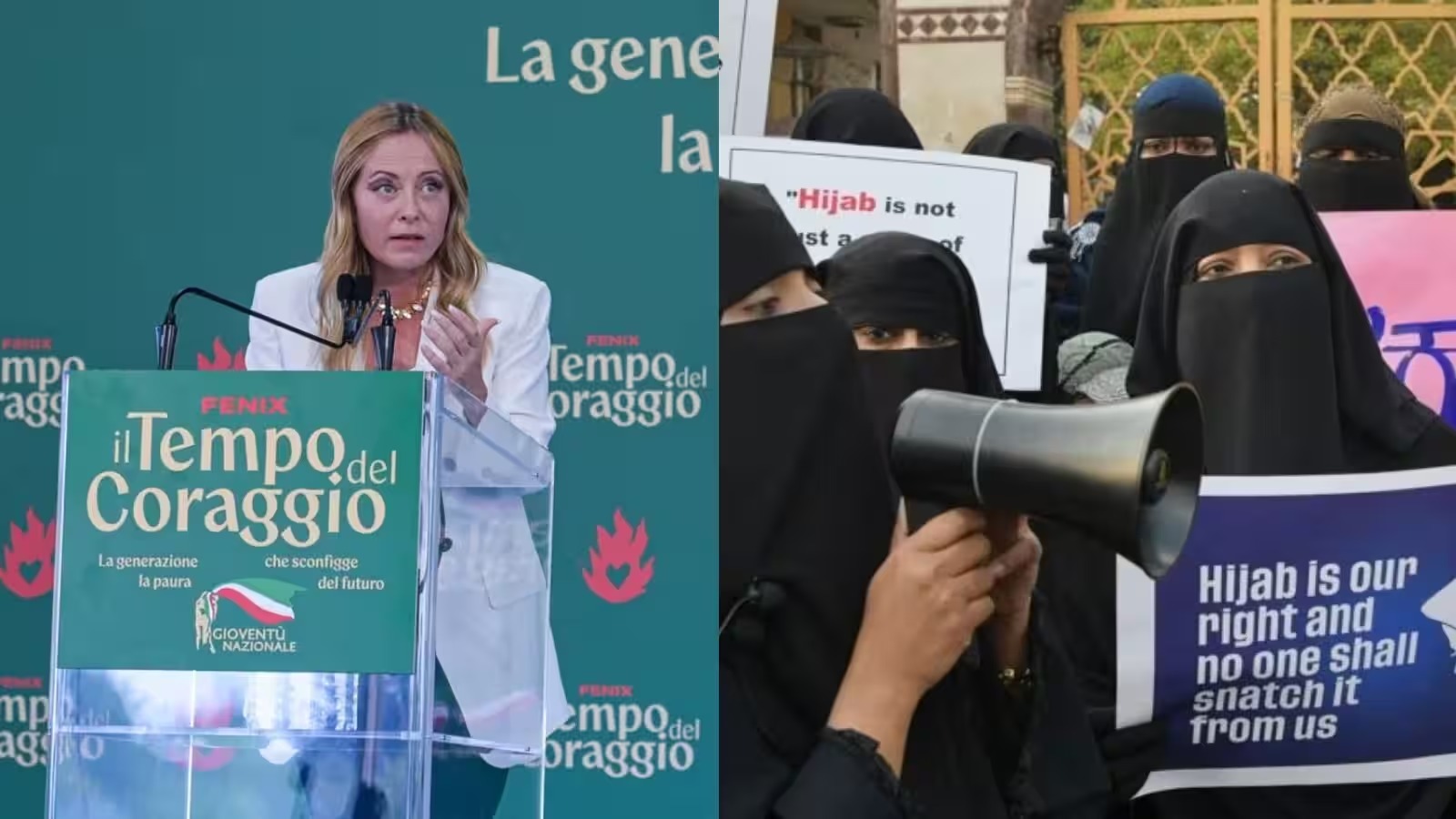
A major proposal related to Italy's school system and public policies has sparked a new debate among the education world, parents and policy makers. According to emerging reports and policy discussions, a ban on face coverings—such as burqas and niqabs—in schools and a cap on the number of foreign-born students at the beginning of primary education, i.e. in the first grade, are being considered and taken. Supporters believe it would strengthen communication, safety and linguistic integration in classrooms, while critics say such rules could impact religious freedom, inclusion and children's educational opportunities. What is the logic behind the ban on burqa and niqab in schools? The main focus of the debate going on in education and administrative circles about wearing face coverings is communication and clarity of identity within the classroom. Educators and policy advocates argue that schools are not just places of learning, but also centers of social interaction, language learning, and personal expression. When a student or parent's face is completely covered, it may be difficult to understand body language, pronunciation, and general communication. In addition, security and institutional regulations are also cited. In many countries, clarity of identity in public buildings and schools is linked to administrative arrangements. In Italy too, the discussion focuses on the same point that there should be uniform and clear behavioral standards for everyone in educational institutions, so that there is no scope for any kind of confusion or uncomfortable situation. On the other hand, civil rights and religious freedom groups insist that any restrictions on personal belief and traditional clothing could marginalize select communities. The second important part of the proposed or discussed rules is related to limiting the number of foreign students in first class. The main argument behind this idea is language proficiency and academic balance of the classroom. The experience shared in many schools is that if a class has a large number of students whose mother tongue is not Italian or who need early linguistic support, it becomes challenging for the teacher to keep up with the pace of the whole class. Policy supporters believe that setting a certain ratio or limit will provide students with a better environment for learning the Italian language and will be able to engage more easily with the local curriculum. He also says that strengthening linguistic skills can reduce the dropout rate or being left behind in later classes. However, a section of education experts also raise the question that merely setting a limit on the number will not be a permanent solution to the problem, but a more effective solution is to provide additional language trainers, initial counseling and increasing resources. Potential impact on classrooms and parents If rules such as banning face coverings in schools and limiting entry into first grade are strictly enforced, it will have a direct impact on the daily functioning of schools, teachers and families. It will be important for the school administration to ensure that the rules are followed with sensitivity and transparency, so that any kind of conflict or misunderstanding can be avoided. Two types of concerns are coming to the fore at the level of parents also. A section feels that this will make the classroom environment more organized and children will get an opportunity to mingle in the common language and culture. At the same time, there is also a fear among migrant and minority families that if the limit set in a school is reached, their child may have to take admission in a distant school or there may be additional burden on the family's daily routine. The broader European debate on integration versus identity The developments in Italy are not an isolated case, but part of a broader debate across Europe about migration, cultural identity, and secularism and inclusion in public institutions. Different European countries have from time to time adopted different policies regarding religious symbols, clothing and linguistic integration in schools. At some places equality and public rules have been given priority, while at others there has been more emphasis on multiculturalism and individual rights. Experts believe that the success of any education policy depends on how much space it gives to human sensitivity along with discipline and shared standards. The early years of children are extremely critical, so policies should be aimed at mainstreaming them and providing equal opportunities for learning, rather than making them feel isolated. Way Forward and Policy Challenges It will be important to see how these proposals are implemented legally and administratively and what guidelines schools are provided with this. Communication between the local administration, school management committees and parents can play a big role in making this process smooth. Overall, these actions related to schools in Italy indicate that there is a serious discussion going on at the policy level regarding the balance of linguistic integration, cultural identity and public norms in the education system. The outcome of this debate could not only change the face of Italian classrooms, but also reshape the international debate on migration and education policy.