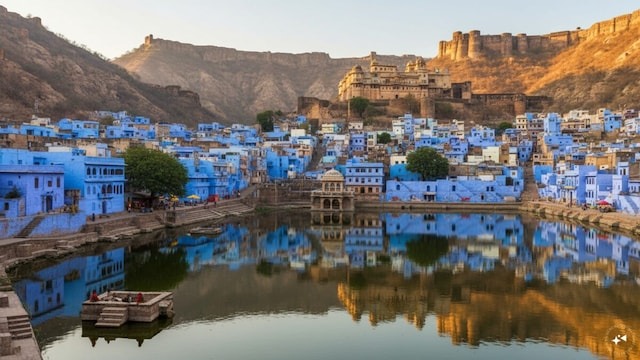
The city of Jodhpur, situated near the border of the Thar Desert in the western part of Rajasthan, attracts tourists from India and abroad for its architecture, historical heritage and colorful identity. From the grand forts and palaces perched on high cliffs, to the blue houses and century-old stepwells dotting the older parts of the city, the city presents a vibrant picture of Marwar's cultural and water-conservation traditions. When the golden morning sunlight illuminates the blue walls and sandstone palaces, the whole scene takes on a different hue. Where is Jodhpur situated and what is its identity? Jodhpur is a major historical and tourist city located in the Indian state of Rajasthan, which is also known as the center of Marwar region. Founded by Rao Jodha in 1459, it is also known as the 'Blue City' due to the large number of houses in the old part of the city having blue colored walls. Over time, various reasons related to local traditions, relief from heat and identity have been cited for the use of blue color on houses. Jodhpur's geography is semi-arid and rocky, where high dunes, rocky bedrock and traditional water structures shape the lifestyle of the region. The city is well connected by road, rail and air, making it an important part of the major travel circuits of Rajasthan. Palaces and Forts: A glimpse from Mehrangarh to Umaid Bhawan: Its grand forts and palaces occupy the top place in the identity of Jodhpur. Situated on a steep hill in the heart of the city, Mehrangarh Fort is famous for its massive ramparts, carved windows, courtyards and museums. The height of the fort offers a sweeping view of the entire city and the expanse of blue houses. Apart from this, the historical monuments of Umaid Bhawan Palace, Jaswant Thada and Mandore area in the city also reflect the diversity of architecture and history of Marwar. At some places the strength of red-pink sandstone is visible, while at other places marble and architectural details of the royal period are visible. Ancient stepwells and traditional water heritage Water conservation has always been one of the priorities of society in desert and arid climate areas, and the stepwells of Jodhpur are an excellent example of this. Structures like 'Toorji Ka Jhalra' (Toorji's Stepwell) located in the old market area of the city show terraced architecture and traditional understanding of water management. The artistic stairs, stone carvings and open courtyards of these stepwells underline the system of community use and water harvesting in the historical period. In recent years, heritage conservation and urban regeneration efforts have brought these sites into greater focus among locals and tourists. Lanes of blue houses and local lifestyle As soon as you step into the narrow lanes of the foothills of Mehrangarh and the old city, you can see houses painted in blue and turquoise colors, traditional mansions and the hustle and bustle of local markets. The area around Ghantaghar and Sardar Market is known for traditional textiles, handicrafts, spices and local cuisine. Hospitality, folk music and traditional crafts are still alive today in the local culture. Seeing the colors of the city in the setting sun from rooftops or high viewpoints in the evening becomes a memorable experience for tourists. Useful travel tips and the way forward Generally, the time between October to March is considered more favorable in terms of weather to visit Jodhpur, when the days are mild and the evenings are pleasant. Given the strong sunlight and high temperatures during the summer months, it is more practical to go out in the morning and evening. Tourists are advised to respect local rules, cleanliness and decorum of heritage sites while visiting historical forts, stepwells and old markets. With proper planning and patience, a trip to Jodhpur gives an opportunity to know the history, architecture and local culture closely.