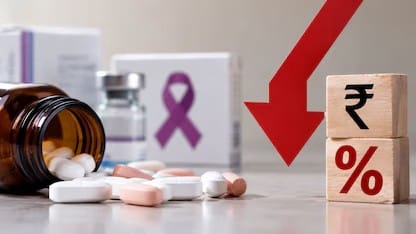
The government has capped trade margins at 30% for selected cancer medicines, aiming to reduce treatment costs and improve access for patients.
By Vidhi Lalla
Cancer patients in India could get major financial relief as the prices of 137 anti-cancer medicines are expected to fall by up to 70% from November 9, 2026. The National Pharmaceutical Pricing Authority (NPPA) has introduced a 30% cap on trade margins for these medicines to reduce excessive mark-ups and make cancer treatment more affordable. The actual price reduction will vary from one medicine to another, depending on its existing price structure.
The decision covers 137 identified non-scheduled anti-cancer drugs, which are not covered by the same ceiling-price system as scheduled medicines. The list includes medicines used in immunotherapy and treatments for several types of cancer, as well as drugs used to manage complications during treatment.
Among the medicines covered are Pembrolizumab, Durvalumab and Osimertinibalong with Denosumab, Pegfilgrastim and Bevacizumab. These medicines are used in different cancer treatments or to manage related medical complications. Their revised prices will depend on the pricing formula under the new rules.
The NPPA has taken the step under the Drugs (Prices Control) Order, 2013. The government aims to limit the margins added across the distribution and retail chain while maintaining the availability of medicines.
The measure follows an earlier initiative launched in 2019, when trade margins for 42 anti-cancer drugs were capped at 30%. The government said that exercise led to price reductions of up to 90% across 526 brands of non-scheduled anti-cancer medicines. The latest decision extends the approach to a wider list of medicines recommended by an expert committee under the Directorate General of Health Services.
The revised prices will take effect on November 9. Pharmaceutical manufacturers must submit their revised prices to the NPPA within seven days of publication of the Gazette notification. They must also publish updated price lists on their websites and share them with retailers and hospitals.
Pharmacies, hospitals and medical institutions will be required to charge the revised prices from the effective date and display updated price lists. State Drug Controllers will monitor compliance, while manufacturers have been directed to maintain existing production and supply levels to help prevent shortages.
Patients and caregivers will be able to check revised medicine prices through the NPPA website and the Pharma Sahi Daam mobile application. They should compare the updated maximum retail price (MRP) with the amount charged by pharmacies or hospitals after November 9.
The price cut is expected to ease some of the financial pressure faced by cancer patients and their families. However, the reduction will not be the same for every medicine, and the overall cost of treatment will also depend on other expenses, including consultations, tests, hospital care and other prescribed medicines.