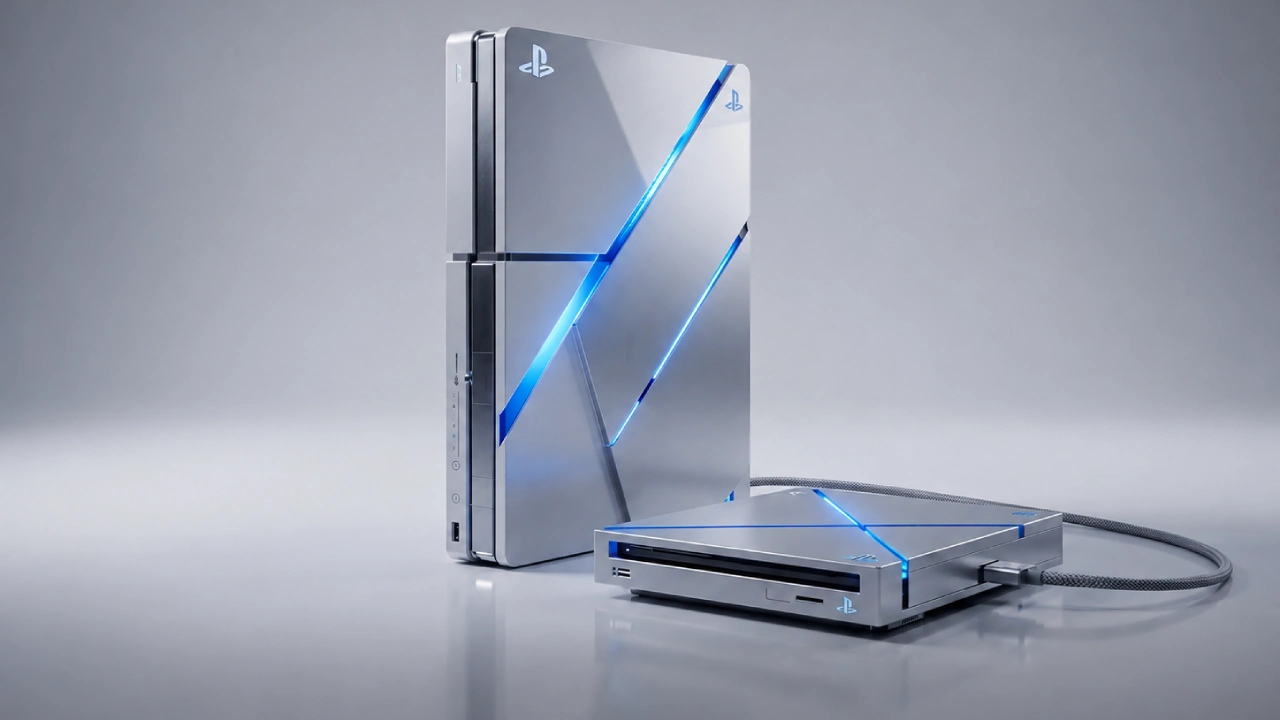
If Sony is planning to leave optical discs behind for the PS6, it may not have much choice but to offer a workaround anyway. According to a report from GameGPU, Sony faces a specific technical obstacle in ensuring PlayStation 4 and PlayStation 5 disc libraries remain usable on its next-generation console, one that could force the company’s hand toward releasing an external disc drive regardless of its broader digital-first plans.
The issue comes down to how Sony’s disc media is built, and it stands in sharp contrast to the approach Microsoft is reportedly taking with Xbox. While Sony has not publicly discussed its PlayStation 6 hardware strategy, backward compatibility has become one of the most closely watched topics surrounding the next console generation.
Since the PS2 era, Sony has alternated between broad compatibility and more limited support depending on hardware architecture and licensing constraints. The current discussion shifts focus on the physical media itself, highlighting how the design of game discs could influence future hardware decisions just as much as processing power or graphics capabilities.
The Core Problem: No Unique Disc Identifiers
According to the report, Microsoft’s approach for Xbox reportedly relies on unique digital signatures embedded in its discs, a system that would allow the console to recognize a specific physical disc and convert it into a full digital license tied to that user’s account. Sony’s PlayStation media isn’t built the same way. Without comparable unique identifiers on PS4 and PS5 discs, there’s reportedly no clean software path for Sony to let players “convert” a physical copy into a digital one the way Microsoft’s system is said to work.
That leaves hardware as the fallback. The report points to an external optical drive, connected via USB, as the most likely solution, allowing older PlayStation discs to keep functioning by being read directly rather than digitized. It’s a more literal fix than a licensing conversion system, but one that would preserve access to existing libraries without requiring Sony to overhaul how its disc media has worked for two console generations.
If accurate, this distinction represents more than a convenience issue. Digital license conversion would allow players to authenticate ownership once and continue using their games without repeatedly inserting physical media. A direct-reading external drive, by comparison, would continue relying on the original disc as proof of ownership every time a game is launched. While that approach may be less seamless, it would avoid the technical and licensing hurdles involved in permanently converting physical purchases into digital entitlements.
How This Fits the Broader PS6 Disc Rumor Mill
This report adds another data point to a rumor cycle that’s been notably inconsistent over the past few months. Some earlier reports have suggested PS6 will ship as Sony’s first fully digital console with no disc support at all, tied to a broader plan to end physical disc production for PlayStation games by January 2028. Others, including a separate report citing Sony sources, have described the company’s decision to stick with an optical drive as “firm” for at least one more generation, pointing to the PS5’s disc drive hitting internal sales targets as justification.
The more consistent thread across multiple reports is a detachable, external drive model, similar to how the PS5 Slim separated its disc drive from the base console. Under that structure, Sony would sell a fully digital base PS6, with an external drive available separately for players who want physical media support, whether for new releases or, per this latest report, simply to keep existing PS4 and PS5 libraries functional. That detachable approach would also give Sony greater manufacturing flexibility.
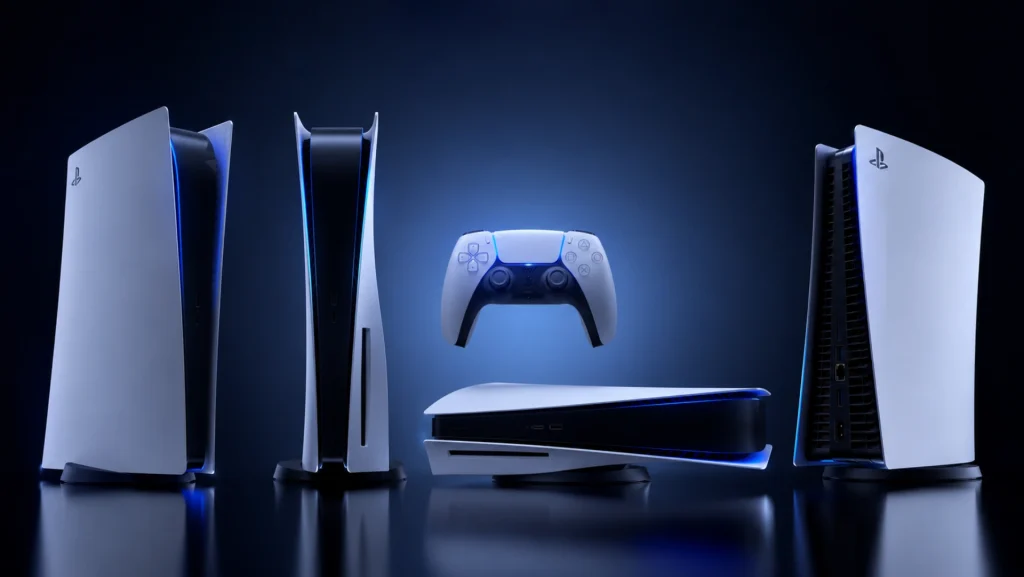
Producing a single digital console and offering the disc drive as an optional accessory could simplify production while still accommodating players who continue to buy boxed games. It mirrors a broader industry trend toward modular hardware, allowing manufacturers to reduce baseline costs while letting consumers choose features based on their preferences.
Whether Sony ultimately adopts this strategy remains unknown, but the recurring appearance of detachable-drive rumors across multiple reports suggests the concept has become one of the more persistent possibilities surrounding the PlayStation 6. Even so, none of these claims have been verified by Sony, and the company has yet to publicly discuss how physical backward compatibility will work on its next-generation platform.
Why the Backward Compatibility Angle Matters More Than the Format War
Most PS6 disc coverage so far has framed this as a digital-versus-physical debate for future releases. This particular report reframes the more immediate problem: regardless of what Sony decides for new PS6 games, players who already own physical PS4 and PS5 titles need some way to keep using them, and Sony’s own disc technology doesn’t offer an obvious software shortcut to make that happen. That’s a narrower, more mechanical problem than the broader physical media debate, and it’s one Sony arguably has to solve either way, independent of whatever its long-term stance on discs turns out to be.
For longtime PlayStation owners, this question extends beyond collecting physical games. Many players have built libraries over two console generations, often including limited editions, out-of-print releases, or titles that may never receive digital re-releases. Ensuring continued access to those purchases has become an increasingly important part of console transition strategies, making backward compatibility a key expectation rather than a bonus feature.
The discussion also illustrates how hardware design, licensing systems, and consumer expectations have become tightly connected. Decisions made during the PS4 era about how games were authenticated could now influence accessory design for an entirely new console generation, demonstrating how long the consequences of platform architecture can persist.
What to Watch Next
None of this has been confirmed by Sony directly, and the company hasn’t addressed PS6 hardware specifics publicly. With Sony reportedly planning a fuller PS6 ecosystem announcement in late 2027, the disc drive question, both for new releases and legacy compatibility, should get a firmer answer closer to that window. Until then, treat every version of this rumor, including this one, as directional rather than settled, given how much the reporting on this exact topic has shifted over just the past few months.