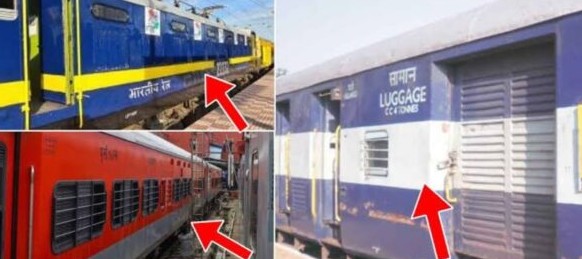
Railway Engine Colors : Indian Railways is the fourth largest railway network in the world. Millions of passengers travel through it every day. While traveling by train, we often see engines of different colors. Sometimes red, sometimes blue, sometimes white or yellow engines are seen running on the tracks. Many people think that these colors are given only to enhance the beauty of the railway. But, these colors have a specific code and great technical reasons behind them. So let’s find out about it…
red color
The most attractive red engine on Indian railway stations or tracks is mainly the WAP-4 class. It is a very powerful engine that runs entirely on electricity. These engines are mainly used by the Railway Administration to haul important mail, express and superfast trains on main lines. Capable of running at a speed of 110 to 140 km per hour, the red color of this engine helps the railway staff to identify the speed of the train from a distance. Also, in certain railway zones old or powerful ‘twin’ diesel engines are also painted red as a sign of safety and alertness. Railway Engine Colors
White or silver color
Currently white or silver colored locomotives which are a symbol of modernity are widely seen on the railway tracks. This is mainly WAP-7 or WAG-9 This series has very modern, high-tech and electric engines equipped with 3-phase technology. These super powerful engines are mainly used by Indian Railways for Rajdhani, Shatabdi, Duranto and other premium quality fast trains. These engines with a horsepower capacity of over 6000 to 9000 can easily pull even very heavy passenger trains at a speed of 140 to 160 kmph. Apart from this, some special container freight trains carrying heavy goods are also fitted with white ‘WAG’ class engines, which have become the new hallmark of railway modernity. Railway Engine Colors
blue color
Blue locomotives have a unique place in the history and present of Indian Railways. Most of the diesel engines running on the railways in the past, called WDM or WDG Called the series, it was primarily in a blue and white stripe color scheme. These engines are more active on routes where the railway tracks are still not fully electrified. These blue diesel engines are widely used for pulling heavy goods trains along with passenger traffic in remote and suburban areas. Also, electric powered WAG-7 to facilitate internal traffic in some railway zones The freight engines of the class are also given a dark blue colour, which makes the railway staff recognize from a distance that this is a special class of goods train. Railway Engine Colors
Yellow color
Yellow colored engines are never seen running on railway stations or main lines carrying ordinary passengers. In Indian Railways, yellow color is primarily considered as a signal of safety, alertness and maintenance. These engines are used only for track maintenance, overhead wire inspection and track machine operations. This yellow color is given to the trains of the technical staff who work day and night to keep the railway tracks safe or the trains of the rescue teams that run in the event of an accident. As this color shines very clearly from a distance, other fast trains plying on the main road can anticipate the work or repair route ahead. General passengers are strictly prohibited from traveling in these yellow engine trains. Railway Engine Colors
Green and black color
The green and black colors in the technical classification of Indian Railways represent a very interesting history and important responsibility. It has green engines Primarily used for freight trains, technically known as WAGs called a category. Green color is considered to be a symbol of eco-friendly transportation, prosperity and economic progress of the country. On the other hand, black color It reminds us of the early days of Indian Railways. Initially, all coal-fired steam engines were black in color, to prevent them from appearing unsightly due to coal smoke and soot. Although these black locomotives have now been banished from the main lines, the historic black livery can still be seen in some heritage lines and railway museums. Railway Engine Colors
Use of colors for technical identification
This color scheme is of great benefit to railway staff and station masters to understand the type of train and its capacity from a distance. This makes railway operations safer and easier. The color of each engine running on the tracks tells its own story and responsibility. Railway Engine Colors