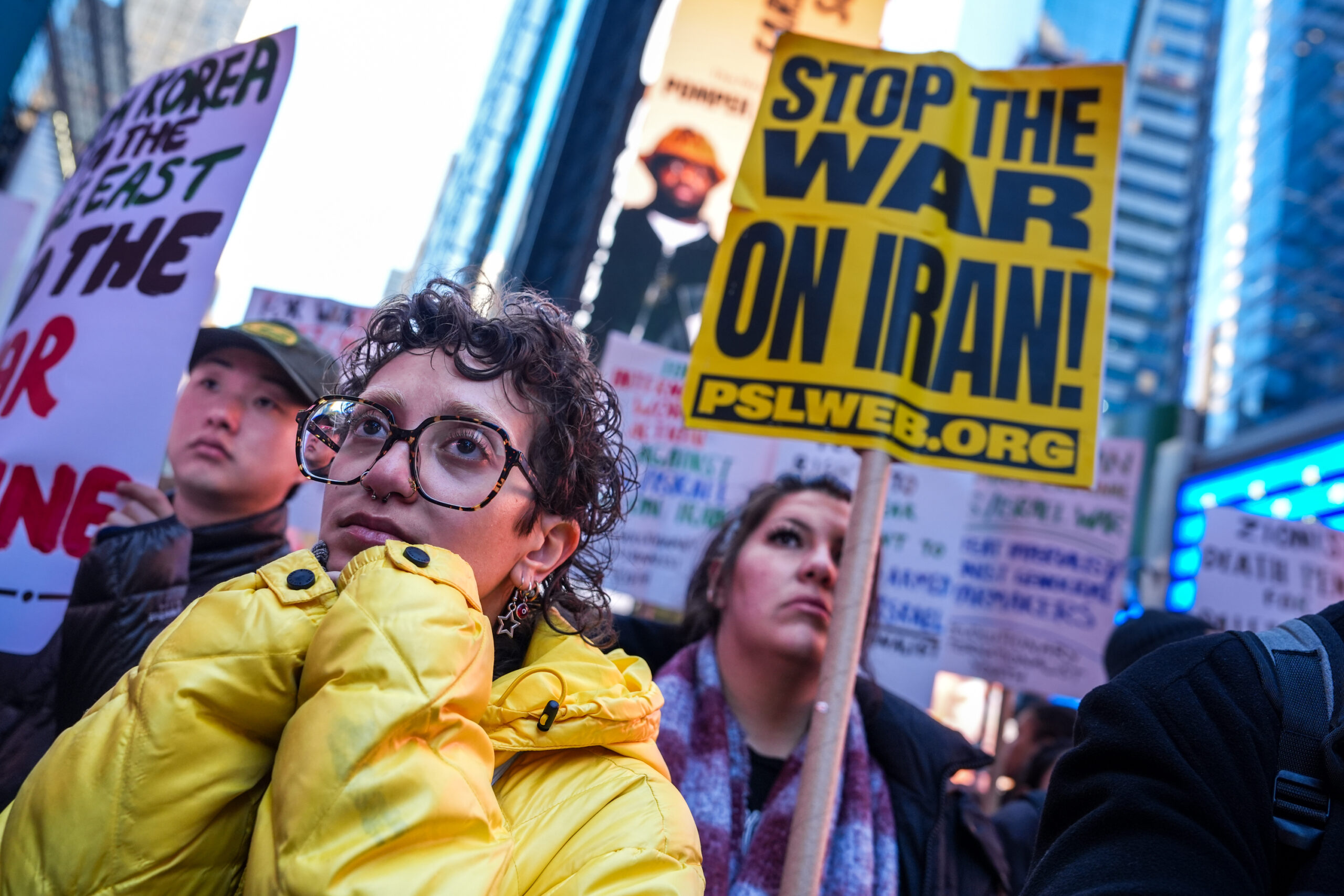
Republicans Face Midterm Verdict as Iran War Drags on Months Longer Than Trump Promised/ TezzBuzz/ WASHINGTON/ J. Mansour/ The Iran war is approaching its six-month mark despite President Donald Trump’s initial prediction that the conflict would last only weeks. High gas prices and widespread opposition to the war are creating political risks for Republicans defending narrow congressional majorities. Democrats are emphasizing the conflict’s economic costs, but Trump retains strong support among many Republican voters who believe military action against Iran was justified.
Quick Look
- The Iran war reaches its six-month mark Friday.
- Trump initially said the conflict would last weeks.
- About two-thirds of U.S. adults say the war has not been worth fighting.
- More than one-third of Republicans share that view, according to an AP-NORC poll.
- Higher fuel prices are affecting competitive races in Pennsylvania and California.
- Republicans have blocked efforts to restrict Trump’s war powers.
- GOP leaders have shown no interest in cutting off funding for the conflict.
- Democrats are focusing on gas prices and broader living costs.
- Sherrod Brown highlighted fuel costs in an Ohio Senate campaign advertisement.
- Sen. Angela Alsobrooks urged Democrats to link the war to Trump’s leadership.
- Some Republican voters continue to support the war despite its costs.
- Other voters say dissatisfaction with both parties may keep them undecided.

Deep Look
Iran War Becomes a Midterm Liability
The Iran war is reshaping the 2026 midterm elections as the conflict drags on far longer than President Donald Trump initially predicted and imposes mounting economic costs on American households.
Trump said the war would last weeks, but it will surpass six months on Friday. The prolonged conflict challenges his campaign promise to avoid foreign wars and complicates Republican efforts to retain narrow majorities in Congress.
GOP candidates would prefer to campaign on tax cuts and other domestic policies. Instead, they increasingly face questions about a conflict that has driven energy prices higher and remains unpopular with much of the public.
Pennsylvania Voter Shifts Toward Democrats
In Bethlehem, Pennsylvania, 33-year-old restaurant server Mike Gibbons said the war and its economic consequences have changed how he plans to vote.
Gibbons sat out the 2024 presidential election because he believed Democrat Kamala Harris had not taken a sufficiently strong position against Israel’s war in Gaza, while he was also unwilling to vote for Trump.
This year, he intends to support Democrats. Gas in his area costs nearly $1 more per gallon than it did a year ago.
“The price of gas affects the price of everything and the price of everything’s up and my pay hasn’t gone up,” Gibbons said. “I’m doing blue no matter who this time.”
His congressional district is represented by Republican Ryan Mackenzie, one of the party’s most vulnerable House incumbents.
Poll Finds Broad Opposition to War
About two-thirds of American adults say the war with Iran has not been worth fighting, according to a July poll conducted by The Associated Press-NORC Center for Public Affairs Research.
That group includes a large majority of Democrats and political independents, along with more than one-third of Republicans.
Trump had long criticized Iran’s government but did little to prepare the public or U.S. allies for an extended military conflict.
Unlike former President George W. Bush, who spent more than a year making the case for the Iraq war and building an international coalition, Trump launched the Iran campaign without a comparable public effort.
Trump Defends Decision Despite Higher Prices
Trump has rejected criticism of the economic costs associated with the war.
He said this month that he would “never apologize” for the higher prices resulting from the conflict and insisted that he did “the right thing” by acting to prevent Iran from obtaining a nuclear weapon.
The administration this week announced additional sanctions intended to further isolate Tehran and intensify economic pressure on the Iranian government.
The sanctions represent the administration’s latest attempt to force a change in Iran’s position without immediately expanding military operations.
Congressional Republicans Resist Limits on Trump
Republican lawmakers initially celebrated Trump’s military action against Iran but have gradually begun expressing concern about the war’s duration and economic consequences.
Despite those concerns, the party has remained largely united in blocking legislation that would restrict Trump’s war powers.
Republican leaders have also shown no interest in cutting off funding for the conflict. Instead, they have sought to portray Democrats as too extreme to be trusted with control of Congress.
That strategy could become harder to maintain if fuel prices remain high and the administration cannot offer voters a clear timeline for ending the war.
Democrats Turn Affordability Argument Against GOP
Democrats faced voter anger over inflation during the previous election cycle. They now see an opportunity to turn affordability into an argument against Trump and congressional Republicans.
Former Sen. Sherrod Brown, who is mounting a comeback campaign for the U.S. Senate in Ohio, released an advertisement filmed at a gas station.
“The cost of gas is out of control and we’re the ones paying for it,” Brown said in the ad.
Democratic Sen. Angela Alsobrooks of Maryland has also connected higher prices to the war. Speaking recently in a Republican-dominated portion of western Maryland, she urged Democrats to emphasize what the conflict’s costs reveal about Trump’s leadership.
“We ought to be saying what is obvious, which is our country is heading in the wrong direction,” Alsobrooks said.
California Voters Cite Pressure at the Pump
The affordability message is resonating with some voters in Bakersfield, California, where Republican Rep. David Valadao faces another competitive reelection campaign.
Brandon Bane, an independent who works in fast food, said he frequently has to balance rent and grocery expenses. Rising gas prices have increased the pressure on his budget.
“It hasn’t been worth it at all,” Bane said of the Iran war.
He plans to vote for Valadao’s Democratic challenger, Randy Villegas.
Melissa Wegman, a Democratic retiree in Bakersfield, said it recently cost her $128 to fill the tank of her SUV.
“I have to manage a budget,” she said.
Trump’s Supporters Remain Loyal
The war’s unpopularity does not guarantee that Democrats will receive the electoral boost they expect.
Some voters are willing to absorb higher prices without blaming Republicans, while others remain firmly supportive of Trump and oppose giving Democrats control of Congress.
At the State Farmers Market in Raleigh, North Carolina, Lucienda Lowe of Sugarloaf Orchards said she continues to trust the president.
“There has to be a reason why they’re over there,” Lowe said. “They wouldn’t be over there doing that if there wasn’t something more going on than what we’re seeing.”
Lowe said rising fuel and fertilizer costs have not led her to increase the price of her apples. Her family has been farming since 1846, and she believes people should remain resilient during difficult periods.
“Suck it up, buttercup,” she said.
Republican Voters Defend Action Against Iran
In Iowa, 66-year-old Republican Larry Cole described higher gas prices resulting from the conflict as the “nature of the beast.”
Cole, a service manager from Perry, said he plans to support Republicans in the midterms and does not want Democrats controlling either chamber of Congress.
He believes Trump took action against Iran that previous presidents had been unwilling to pursue.
Trump “hit them where they need to be hit,” Cole said.
Democrats consider Iowa a potential opportunity in contests for the U.S. Senate, governor’s office and several House seats. Continued Republican loyalty in rural areas, however, could limit Democratic gains.
Some Supporters Question the War’s Duration
Other Trump supporters acknowledge surprise at how long the conflict has continued but have not abandoned the president.
Mark Duffy, a 65-year-old retiree from Scottsdale, Arizona, said the war has not significantly affected his life, although it has lasted longer than he anticipated.
“I didn’t think it would go this long,” Duffy said. “I don’t think anybody did, but now the next wave is the economic sanctions, so we’ll see if that works and maybe that is a way for other people to join.”
His comments reflect hope among some voters that sanctions could help end the conflict without another major military escalation.
Disillusionment Could Benefit Neither Party
For some Americans, the Iran war has reinforced dissatisfaction with both major political parties instead of creating a clear preference for Democrats.
Evan Mise, a 26-year-old from Ashland, Virginia, said he feels the effects of higher gas prices and worries about whether his mother will be able to retire—or whether retirement will eventually be possible for him.
He remains undecided about the November elections.
“I feel like our government is pretty corrupt through and through,” Mise said. “It’s kind of just a sit-back-and-watch thing. And I think my generation especially feels helpless.”
That disillusionment presents a separate challenge for Democrats. Opposition to the war may not translate into votes if people who are frustrated with Trump remain skeptical of the alternative.
Competitive Races Could Determine Political Impact
The Iran war’s ultimate electoral consequences are likely to be most visible in closely divided House districts and Senate battlegrounds.
Republicans must defend their congressional majorities while carrying the political burden traditionally faced by the president’s party during midterm elections.
Democrats are betting that opposition to the war, higher gas prices and broader affordability concerns will motivate voters who previously stayed home or supported Republicans.
Trump’s continued strength within the GOP, however, means Republican candidates must balance public concern about the conflict with the risk of alienating the president’s loyal supporters.
More on US News