
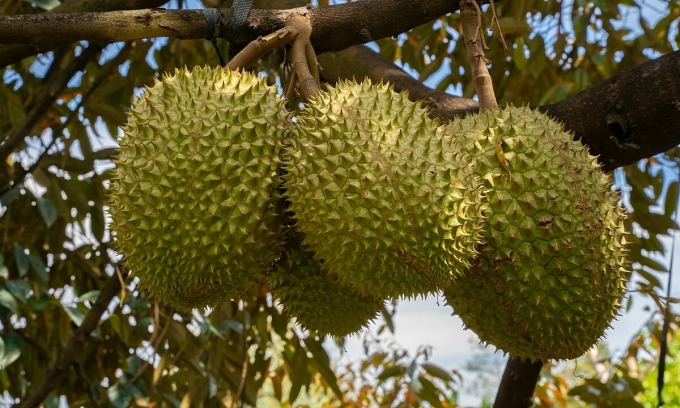

The lane in northeastern Singapore has 13 durian trees stretching about 100 meters near public housing blocks. As the trees enter their fruiting season, some people have been seen waiting in the mornings for durians to drop, AsiaOne reported.
Some who managed to collect fallen fruit described the taste as “slightly sweet.” A resident told Chinese-language newspaper Zaobao that while he had seen quite a few durians over the years, this was the most abundant fruiting season.
Lorong Lew Lian, Singapore. Photo via Google Maps |
Marine Parade–Braddell Heights Town Council, which manages the area, said the trees are closely monitored during the fruiting season.
Its horticultural contractors regularly monitor the trees during the season and may remove fruit early if necessary to reduce the risk of durians falling and causing injury.
Warning signs have also been placed around the site to discourage members of the public from picking the fruit.
The town council added that the durian trees are part of the estate’s heritage landscape. The name “Lorong Lew Lian” is derived from the Hokkien word for durian, while “Lorong” is the Malay word for lane or street.
The area is believed to have once been a durian plantation dating back more than 70 years. The existing trees were planted as part of a community initiative in 1995, with additional trees added in 2015. Over time, they have become a distinctive feature of the neighborhood.
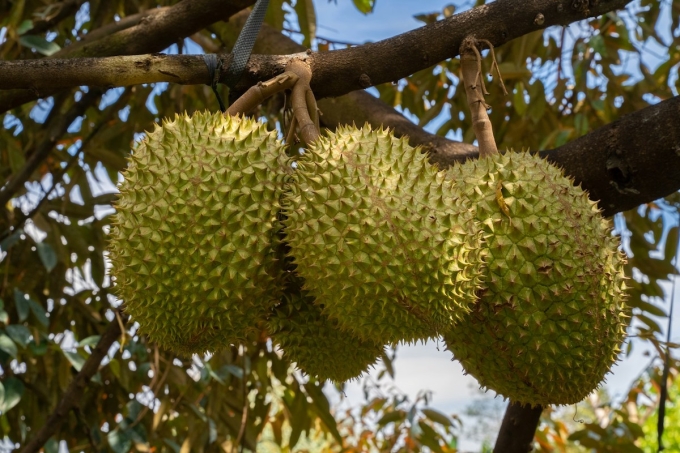 |
Durians. Photo by Unsplash/themanh401 |
The town council said that there had been no complaints from residents about the durian trees or people collecting fruit from the area, and there had been no reported cases of falling durians causing injury or property damage.
While the town council recognizes the heritage value the trees bring to the estate, it said there are no plans to plant additional fruit trees in the area for now.
Under Singapore regulations, trees on state land – including their fruit – belong to the state and are typically managed by the National Parks Board.
Unauthorized picking or collection of fruit from public areas is not allowed, with offenders liable to a fine of up to SGD5,000 (US$3,900), as reported by Mothership.
In more serious cases involving nature reserves or national parks, penalties can go up to SGD50,000, with a jail term of up to six months, or both.
Comments are closed.