
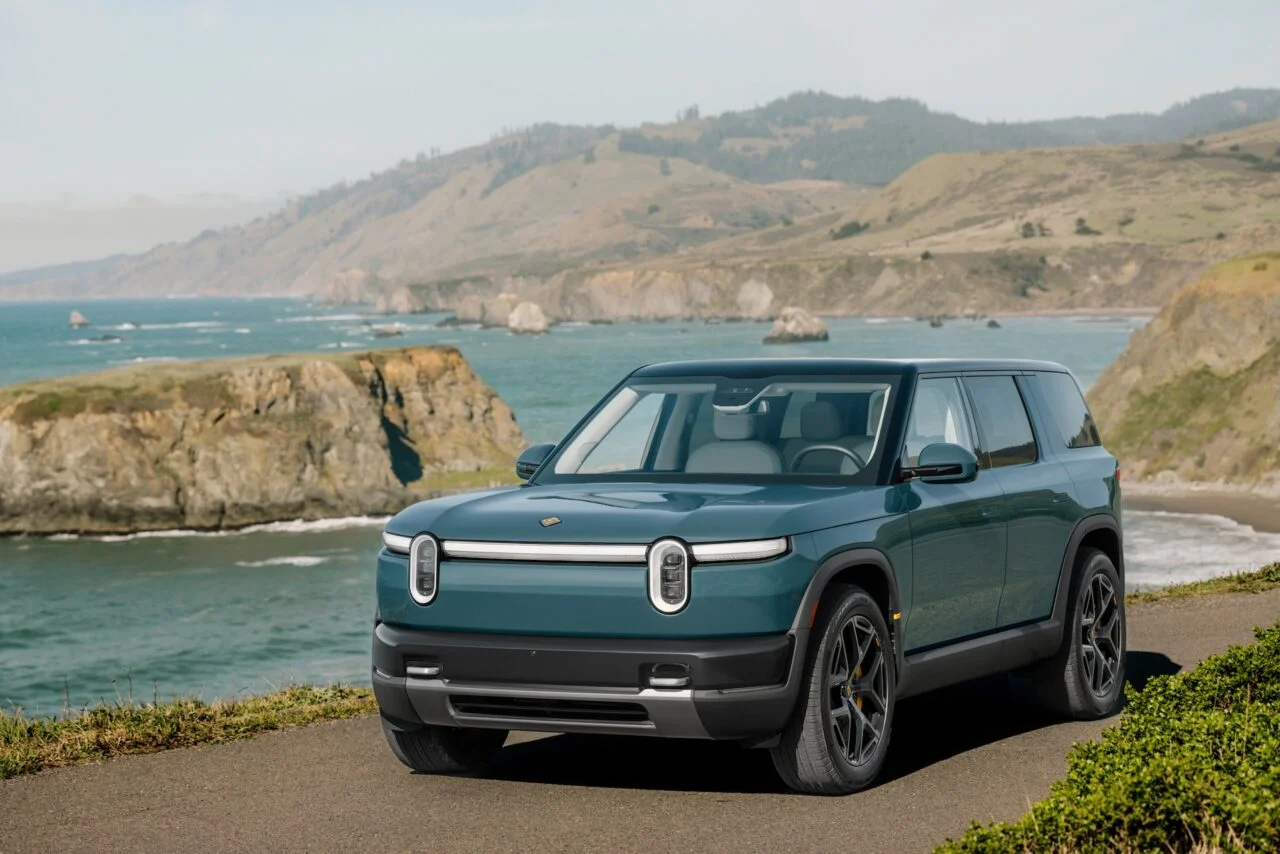

As Rivian prepares to launch the highly anticipated R2, the electric vehicle maker is already looking far beyond its next SUV. The company has a packed product pipeline that includes the compact R3, a potential R2-based pickup, performance-focused models from its Adventure Department, and entirely new vehicles that could reshape its lineup over the next decade.
During a recent media event for the R2 Performance, Rivian CEO RJ Scaringe shared fresh insights into the company’s future plans, revealing a more measured strategy built on lessons learned from Rivian’s challenging early years.
A More Disciplined Product Strategy
When Rivian launched the R1T pickup, R1S SUV, and commercial delivery van in quick succession, the company faced enormous pressure from pandemic disruptions and supply chain shortages. The rapid rollout created operational challenges that took years to overcome.
That experience has significantly changed Rivian’s approach.
Instead of flooding the market with multiple products at once, the company is focusing on a phased rollout. The R2 will remain the primary focus through 2027, with Rivian prioritizing production stability and customer deliveries before introducing additional variants.
The strategy reflects a company that has matured beyond startup ambition and is now focused on execution.
R3 Expected to Be the Next Major Launch
While enthusiasm around the R2 remains high, Rivian sees the smaller R3 as the next vehicle capable of driving substantial growth.
The compact electric SUV is expected to broaden Rivian’s appeal by targeting a larger segment of buyers looking for a more affordable and urban-friendly EV. However, production timing will depend heavily on Rivian’s upcoming manufacturing facility in Georgia.
Construction has begun at the site, but large-scale production is not expected until 2028. That timeline suggests the R3 could arrive as a 2029 model, making it Rivian’s next major product launch after the R2.
The R2T Pickup Appears Increasingly Likely
Although Rivian has not officially confirmed an R2-based pickup truck, the idea appears far from speculative.
Given the success and popularity of the R1T, expanding the R2 platform into a smaller, more affordable pickup makes strategic sense. Industry observers expect such a model to arrive toward the end of the decade, offering buyers a more accessible alternative to the larger R1T.
If launched, the R2T could become one of Rivian’s most important volume products.
Robotaxis and Performance Models on the Horizon
Before new consumer variants arrive, Rivian’s autonomous ambitions could take center stage.
The company has partnered with Uber to deploy thousands of driverless R2-based robotaxis by 2028. The initial rollout is expected to begin in major U.S. cities, potentially marking Rivian’s entry into the rapidly evolving autonomous mobility market.
At the same time, enthusiasts have another reason to pay attention.
Rivian’s Adventure Department, or RAD, is preparing a range of high-performance models designed to rival the performance divisions of established luxury automakers. Among the vehicles rumored to be in development is an extreme R2 variant featuring a tri-motor powertrain producing roughly 850 horsepower.
What Comes After R3?
Beyond the R2 and R3, Rivian is reportedly exploring additional vehicles known internally as the R4 and R5. Details remain scarce, but these future products could expand the brand into entirely new segments.
For now, Rivian’s roadmap suggests a company taking a more deliberate path to growth. Rather than chasing multiple launches simultaneously, Rivian is concentrating on building strong foundations with the R2 before expanding its portfolio.
If the strategy works, the coming years could transform Rivian from a promising EV startup into a mainstream electric vehicle powerhouse.

Comments are closed.