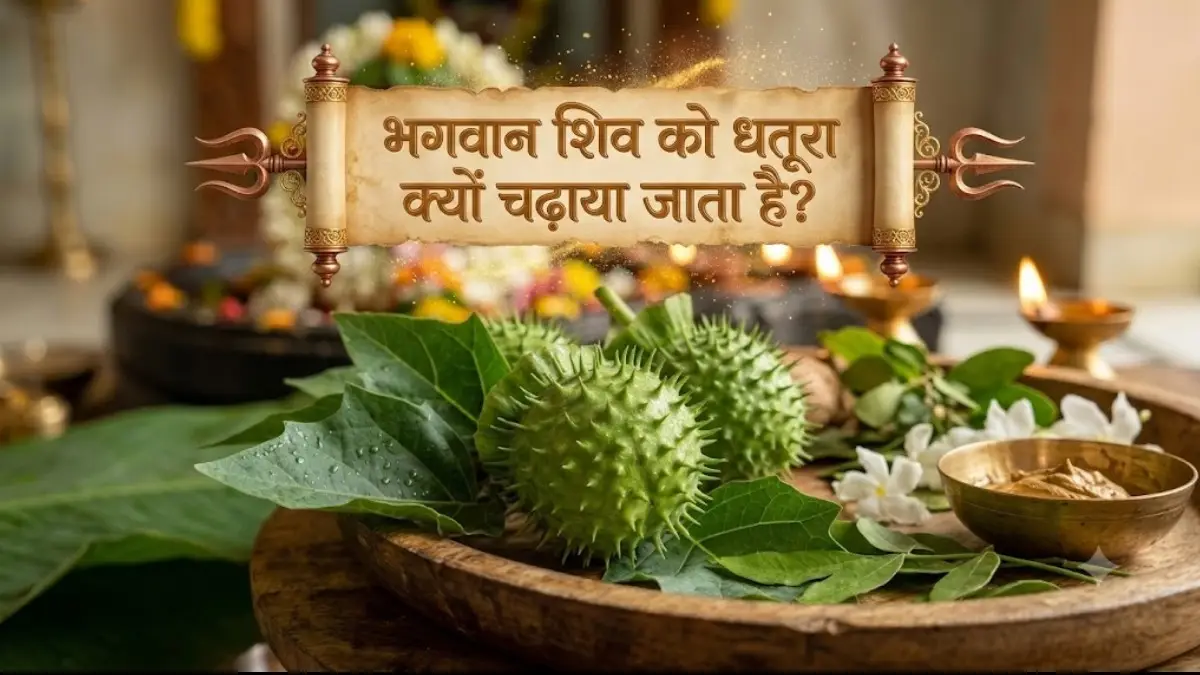
Why is Datura special in Shiva worship?
Datura is a plant that can be harmful if eaten or used improperly. Despite this, it holds a special place in Shiva worship. It is believed that Lord Shiva accepts even those things that the world considers unusable or useful. This is why Datura has become an important part of his worship.
It is linked to the story of Samudra Manthan.
According to mythology, when the Halahal poison emerged during the churning of the ocean, the entire world was in danger. Lord Shiva then swallowed the poison to protect everyone. This is why he is called Neelkanth. It is believed that Datura is also a plant with poisonous properties, so offering it to Lord Shiva symbolizes his sacrifice, patience, and dedication to protect the world.
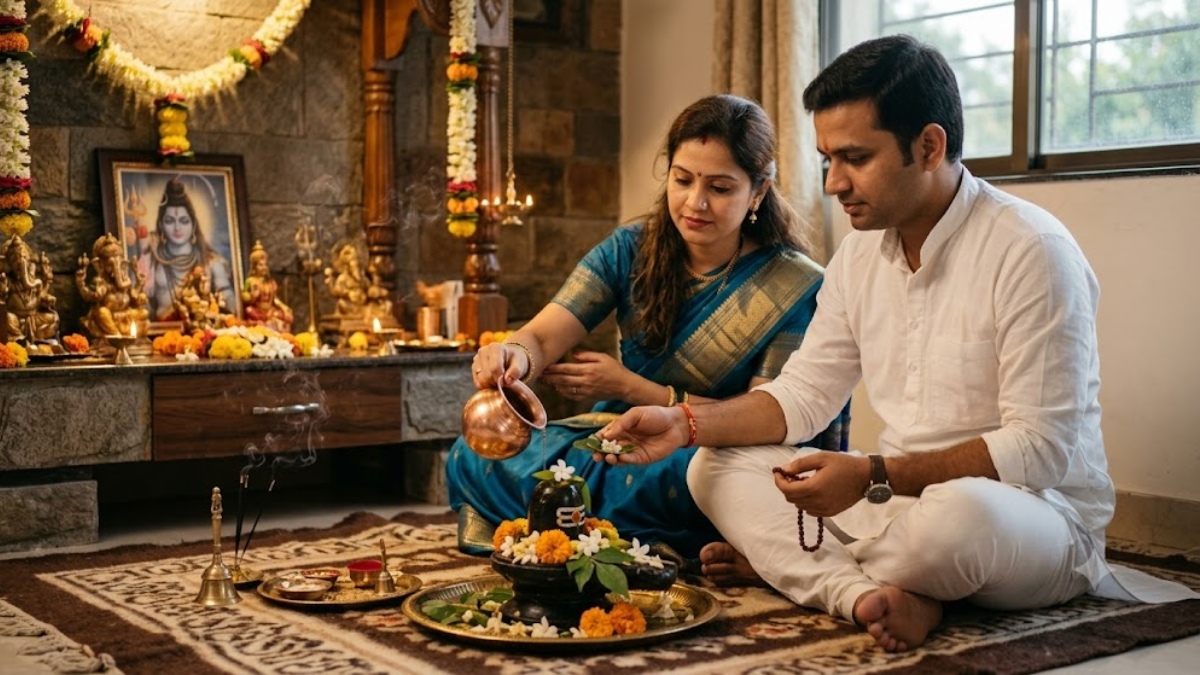
What is the spiritual meaning of offering Datura?
Offering Datura isn’t just about offering a fruit to God. According to religious belief, it symbolizes surrendering one’s anger, ego, jealousy, and negative thoughts at the feet of Lord Shiva. The message is that just as Mahadev took upon himself the world’s poison, he is also considered the god who removes the suffering and negative thoughts from the minds of his devotees.
True faith matters the most in Shiva devotion.
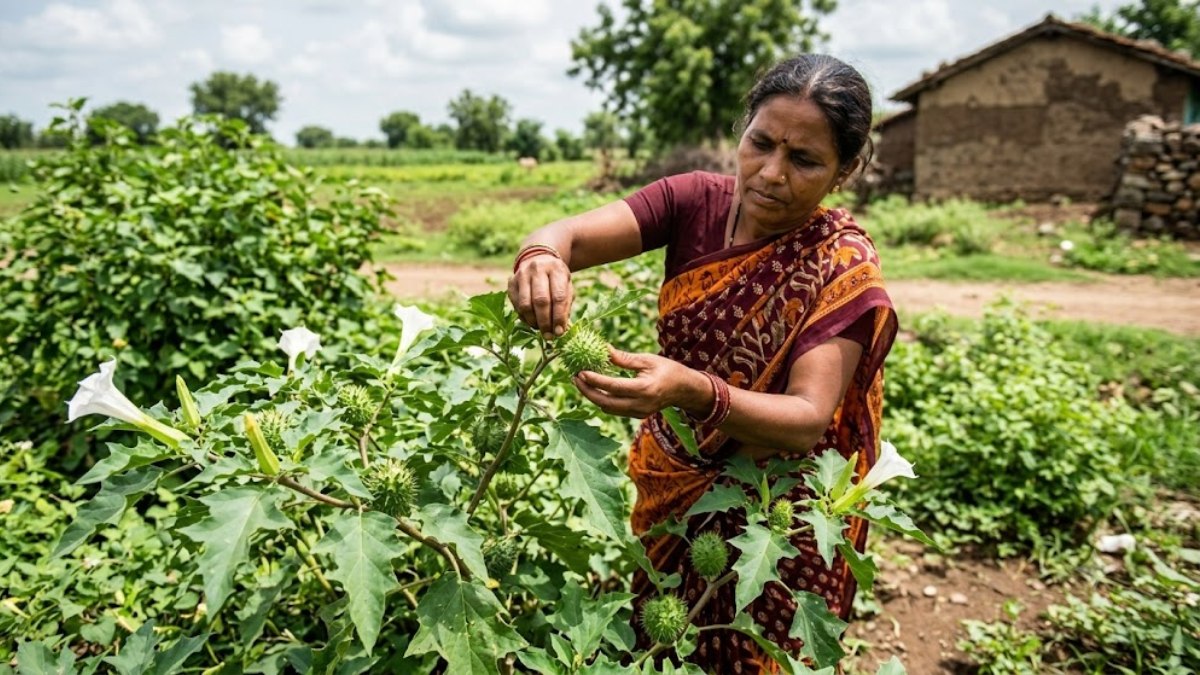
Lord Shiva is called Bholenath because he accepts worship done with a true heart, not just for show. Therefore, during the month of Sawan, devotees perform Jalabhishek along with offering Bel leaves, Dhatura, and other worship materials, praying for happiness, peace, and the fulfillment of their wishes.
Consuming Datura can be dangerous.
Despite its religious significance, it is important to note that Datura is a poisonous plant. It should only be used for religious purposes. Consuming it without consulting a doctor or specialist can cause serious health problems.
(Disclaimer): This article is based on religious beliefs and mythology. Our aim is not to confirm or deny any religious beliefs, but to share information.