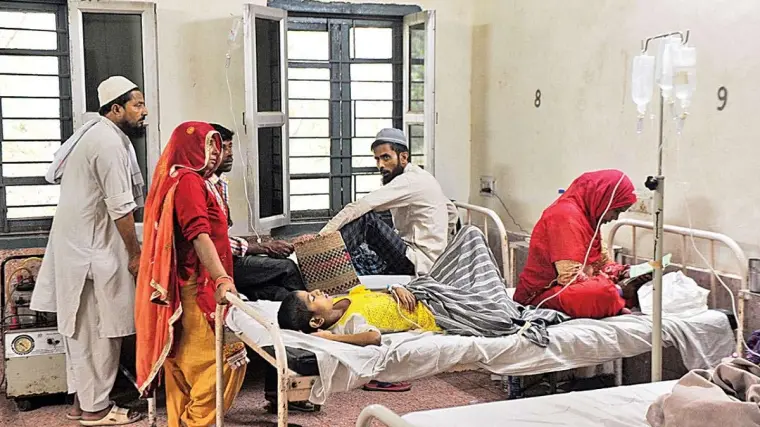
Due to the change in weather following continuous rainfall and waterlogging, seasonal illnesses are increasing. Patients are arriving at hospitals and private clinics with complaints of fever, headache, body aches, weakness, and chills . Many patients are experiencing symptoms similar to malaria, but blood tests are negative for malaria.
The rainy season brings with it a rise in temperature and humidity, increasing the risk of various seasonal illnesses, including viral infections. Therefore, when a fever occurs, people often associate it with malaria or dengue. However, not every fever is malaria, and many viral infections can initially present with similar symptoms.
Many patients arriving at hospitals are complaining of sudden high fever, body aches, a heavy headache, and weakness. Some have also reported chills and shivering. These symptoms are prompting doctors to recommend testing for other possible infections, including malaria.
After a blood test doesn’t confirm malaria, doctors are conducting further investigations based on the patient’s condition and other symptoms. Self-medication based on a single illness is not advisable, as symptoms of viral fever, dengue, malaria, and other infections can overlap during the rainy season.
The change in weather has also affected people’s daily routines. Rain has caused waterlogging in many areas. Lack of sanitation and prolonged standing water can create favorable conditions for mosquito breeding. This is why health departments and doctors advise people to avoid water accumulation around their homes.
In many families, after one person falls ill, other members also develop symptoms like fever or viral infection. Therefore, it is important to provide adequate rest to the patient and to seek medical advice and treatment.
Common symptoms of malaria can include fever, chills, sweating, headache, and weakness. Many viral infections also cause symptoms like fever and body aches. Therefore, it’s not correct to assume you have malaria based on symptoms alone.
If the fever persists or the patient’s condition worsens despite a negative blood test, it’s important to consult your doctor again. For some infections, the sensitivity of the test may vary at different stages of the disease. Your doctor may recommend a repeat test or additional tests if necessary.
During the rainy season, special care is needed for children and the elderly. If serious symptoms such as high fever, persistent vomiting, difficulty breathing, extreme weakness, fainting, unusual rashes, or bleeding appear, it is important to seek immediate medical attention.
Useful measures to protect against mosquitoes include using mosquito nets, wearing clothing that covers the entire body, and avoiding water accumulation around the house. Regular cleaning of coolers, flower pots, rooftops, old tires, and other water containers is also essential.
Contaminated water and food can also spread many diseases during the rainy season. Therefore, it’s important to use clean and safe drinking water and avoid eating food stored outdoors. Maintaining good hand hygiene can also reduce the risk of infection.
According to doctors, antibiotics or malaria medication should not be started if you have a fever without testing and medical advice. Taking the wrong medication can complicate the diagnosis of the underlying cause and, in some cases, even harm your health.
Currently, with the rainy season bringing an increase in the number of patients with seasonal illnesses, hospitals are focusing on testing fever-related cases. Patients with malaria-like symptoms are being tested for malaria as well as other infections, depending on their condition.
The most important thing for people to know is that malaria-like symptoms do not necessarily mean they have malaria. Even if blood tests are negative, persistent fever or severe symptoms should not be ignored. It is important to get the necessary tests as advised by your doctor and to get adequate rest and hydration.
With the rainy season still underway, health experts are urging people to pay special attention to hygiene, mosquito protection, and safe eating habits. Consulting a doctor promptly when symptoms of seasonal illness appear can prevent the illness from becoming serious.
The increase in fever cases after the rains, and the negative test results despite malaria-like symptoms, are creating confusion among people. Therefore, instead of self-diagnosing the disease, the safest approach is to seek medical advice and treatment based on a medical examination.