There are about 15.6 lakh cases of cancer every year in India, in view of which experts have emphasized on early detection of symptoms, affordable medicines and expansion of treatment facilities at the district level.
To make people aware of this challenge, National Cancer Awareness Day is celebrated every year on 7 November. This day was started in the year 2014 by the then Union Health Minister Dr. Harsh Vardhan. The day is also associated with the birth anniversary of scientist Marie Curie, whose research on radioactivity laid the foundation for the development of radiation therapy. The objective of this day is to make the society aware about cancer prevention, early detection and timely treatment.
15.6 lakh new cases every year, reaching hospital late is the biggest challenge
According to the data of the Union Health Ministry, about 15.6 lakh new cases of cancer are reported every year in India. Mouth, lung and prostate cancer are mainly found in men, while breast cancer remains the biggest challenge in women. According to global cancer statistics, breast cancer accounts for about 30 percent of the total cancer cases in women. After this, cases of cancer of cervix, mouth and ovaries come to the fore. The most worrying situation is that in India, about 70 to 80 percent of patients reach the hospital in advanced stages of the disease. This has a direct impact on the success of treatment and the life of the patient. Economic constraints, lack of information, loss of work, difficulty in reaching hospitals and ignoring early symptoms make this crisis more serious.
Relief from government schemes, but the path to treatment is still difficult
To make expensive cancer treatment accessible to common people, cashless hospital treatment up to Rs 5 lakh is provided every year to eligible families under Ayushman Bharat Pradhan Mantri Jan Arogya Yojana. This also includes prescribed cancer treatments. Efforts are being made to make expensive cancer medicines available at low prices through Jan Aushadhi and Amrit medicine centres. In the budget for the financial year 2026-27, 17 cancer medicines have been exempted from customs duty. The revision in maximum retail prices of 543 cancer drug brands by the National Drug Pricing Authority is also to be effective from November 9. According to government estimates, this can save patients about Rs 2,500 crore annually. Apart from this, a campaign for comprehensive screening of oral, breast and cervical cancer is being run through Ayushman Arogya Mandir. By February 2026, 34.7 crore tests for oral cancer, 16.2 crore for breast cancer and 8.7 crore for cervical cancer were recorded. The HPV vaccination campaign for adolescent girls aged 14 years, launched in February 2026, is also an important step towards prevention.
The campaign will be successful only if the patients reach treatment after investigation.
The biggest challenge before the experts is to ensure that the patient is diagnosed and treated on time after suspicious symptoms are found in the test. Just getting tested is not enough. It is equally important to refer the patient to the right specialist, confirm the disease, provide affordable treatment and regular monitoring after treatment. There is a shortage of cancer specialists in many small towns and rural areas. The availability of radiotherapy machines is also less than required. The World Health Organization standard is one radiotherapy machine per million population, whereas in India the ratio is around 0.6. Despite having equipment at many places, it is not fully utilized due to lack of trained staff. There is also a need to develop a strong and comprehensive system in the country for monitoring cancer data and patients.
Doctors bluntly: Do not ignore blisters and lumps in the breast older than four weeks.
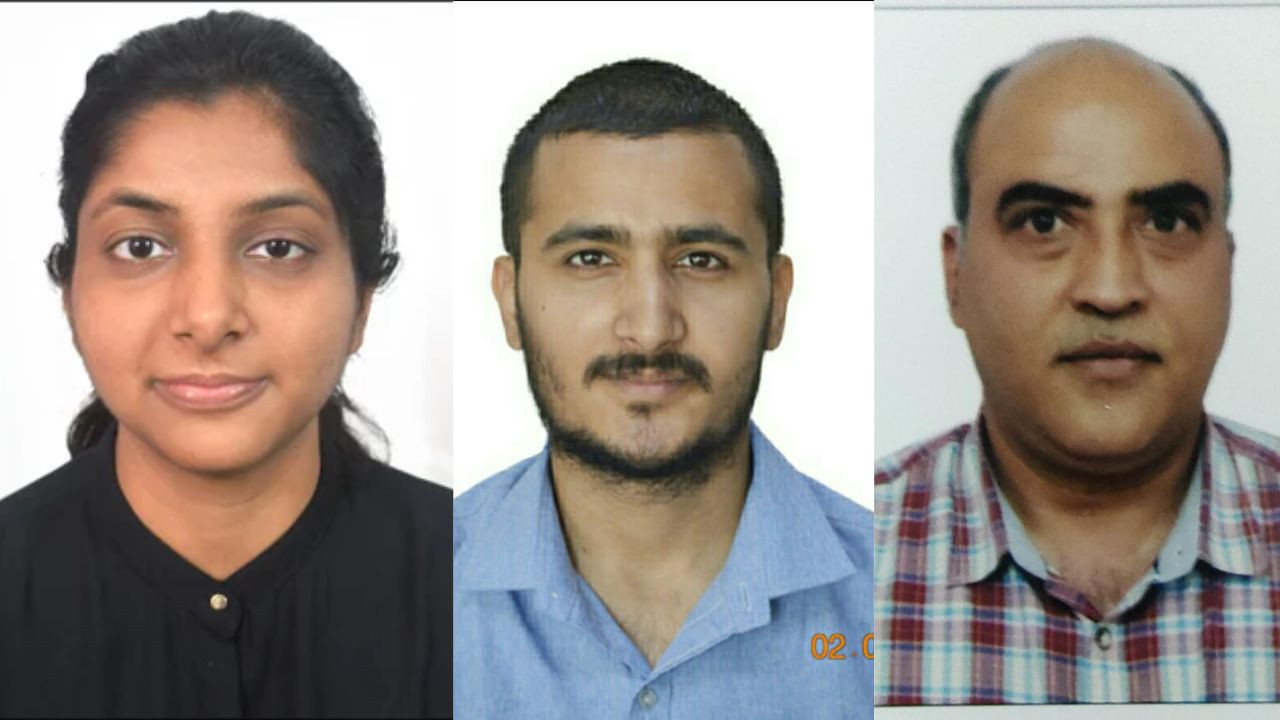
Medical experts say that the fight against cancer starts not after reaching the hospital, but by recognizing the early signs of the disease. Dr. Soumya Aggarwal, Medical Officer, Department of Surgical Oncology, Vardhman Mahaveer Medical College and Safdarjung Hospital, while emphasizing the importance of awareness, said that people have to learn to recognize the symptoms of cancer in their everyday life.
According to Dr. Soumya Aggarwal
If any ulcer in the mouth persists for more than four weeks or any kind of lump is felt in the breast, immediate medical examination should be done. Avoiding such symptoms for a long time by considering them as normal problems can prove to be dangerous. He said that it is important to involve school children also in cancer awareness campaign. For this, information related to health and cancer prevention should be included in the school curriculum, so that children become aware from a young age and can also make their family and society aware.
Cancer treatment should be decentralised, modern facilities should be available at the district level.
Dr. Rakesh Kumar, Professor and Chairman of the Department of Surgical Oncology of Vardhaman Mahaveer Medical College and Safdarjung Hospital, believes that cancer treatment will have to be strengthened at the district level instead of being limited to only big hospitals. It is necessary to increase the facilities for early detection, testing, consultation with specialists and treatment in primary health centers, district hospitals and medical colleges. Decentralization of medical facilities is the need of the hour so that the patient does not have to travel hundreds of kilometers for treatment. According to Dr. Rakesh Kumar, along with early detection, availability of trained doctors, modern testing facilities, radiotherapy and chemotherapy also plays an important role in the treatment of cancer. The patient should receive systematic medical support from diagnosis to completion of treatment and regular monitoring.
Affordable medicines and government schemes are necessary to provide relief from the financial burden of treatment.
Dr. Rohit Joshi, Medical Officer posted in the office of Additional Director, Central Government Health Scheme, North Zone, also said that awareness, affordable medicines and accessibility of health services are important in the fight against cancer. According to him, cancer is not just a disease of the patient, but affects the entire family financially and mentally. Many families are forced to take loans or even sell their property due to treatment expenses. In such a situation, it is very important to effectively deliver the benefits of government schemes to the needy patients and ensure the availability of medicines.
Awareness campaign from schools to hospitals
Experts believe that about 40 percent of cancer cases, rather than more than one in four, rather than one to two in four, involve preventable risk factors. The risk of cancer can be reduced by controlling factors like tobacco consumption, unhealthy lifestyle and HPV infection. For this, it is necessary to promote awareness programs in schools, anti-tobacco campaigns, regular health check-ups and HPV vaccination for adolescent girls. Also, testing and treatment facilities should be increased in district hospitals. The use of artificial intelligence based technology and modern medical methods can also prove helpful in overcoming the shortage of experts.
There should be a fight against cancer every day, not just one day.
The message of National Cancer Awareness Day is clear. The fight against cancer cannot be won with expensive hospitals, big machines and medicines alone. For this, aware citizens, trained doctors, strong government health system, affordable medicines and full range of timely treatment are necessary. The message of Dr. Soumya Aggarwal, Dr. Rakesh Kumar and Dr. Rohit Joshi is also that recognize the early signs of the disease, do not delay in getting tested and spread awareness to every household. Because the biggest victory against cancer is the one in which the disease does not get a chance to dominate the patient’s life.