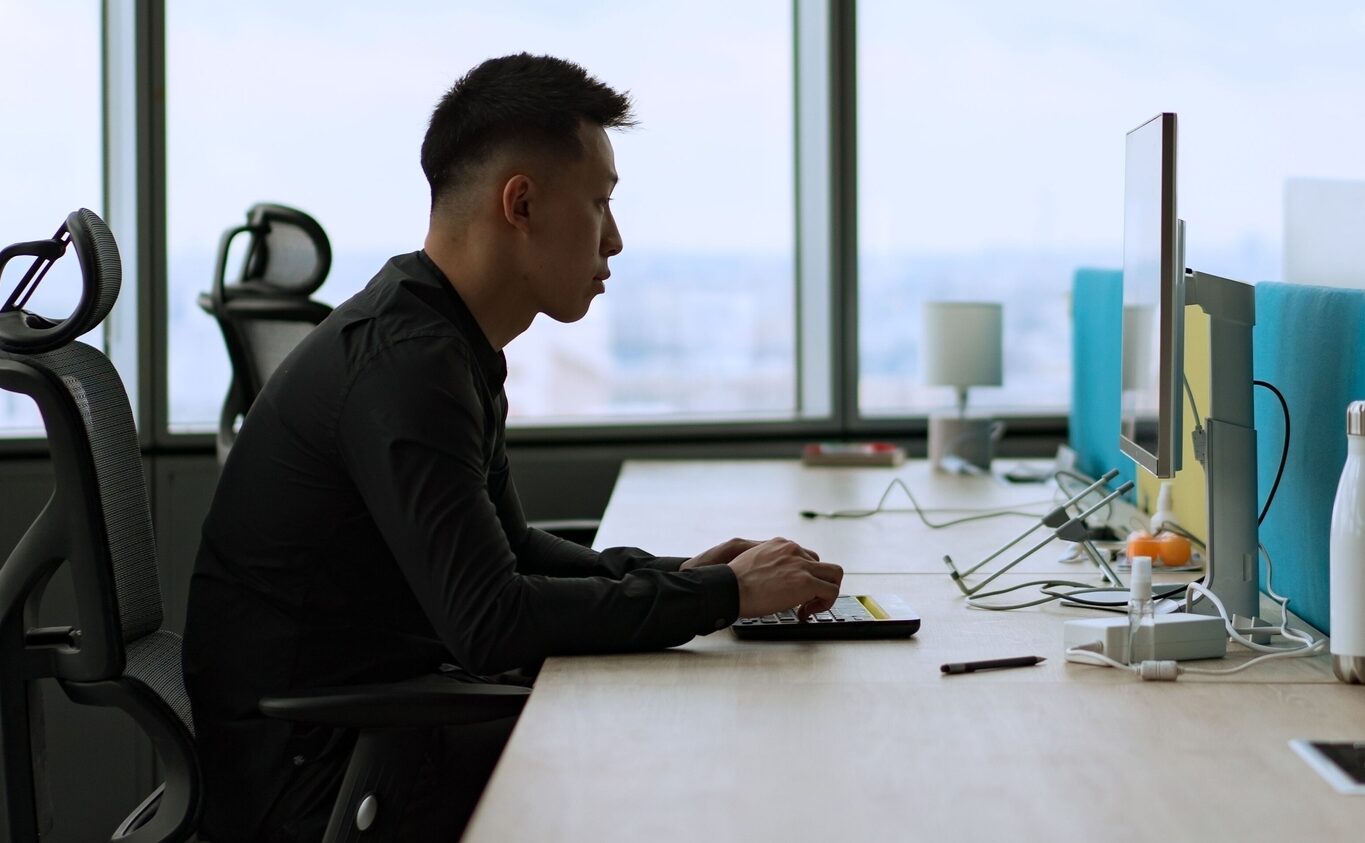
The ideal sitting posture
Fixing the posture in which one sits goes a long way to help support the spine. As per Dr Chawla, when one sits for long periods, one’s feet should be flat on the floor, and one’s knees and hips should be comfortably bent in equal measure.
“Support for the lower back, like that of your chair back, is crucial, with a computer monitor at eye-level to prevent neck strain,” he added.
Introducing movement
Long, uninterrupted work hours do not benefit anyone, especially if they end up staying slumped in their seat for hours together.
“If you can, it helps to stand up every half hour for a couple of minutes, walk for a while and do a simple back and neck exercise, while moving your shoulders,” suggested the surgeon. “This will relax muscles and remove the rigidity.”
Importance of regular exercise
Regular exercise, even a light walk, at the end of a hard work day, helps maintain spine health.
“Inculcate basic muscle-strengthening exercises and stretches into your day-to-day routine, if you’re feeling strong enough. But ensure the proper method of exercise, especially if you already have back problems,” highlighted Dr Chawla.
When to seek help
In the words of Dr Chawla, “If your pain gets worse, persists for over weeks, or becomes associated with leg weakness or numbness, it’s a good idea to consult a medical professional about your issues.”
Most back pain, while arising at the workspace, is an indicator that the habits need to change, he cautioned.
Note to readers: This article is for informational purposes only and not a substitute for professional medical advice. Always seek the advice of your doctor with any questions about a medical condition.