
Agriculture takes up around 70% of global freshwater consumption, so efficient water management remains one of the most difficult tasks for farmers right now. On top of that, climate change, odd rainfall patterns, groundwater depletion, and growing food demand have all added urgency to smarter farming solutions.
Traditional irrigation often depends on rigid timetables, or it’s driven by manual checking , which can lead to overwatering in some places and then underwatering in others. And yeah, it wastes water, but it can also raise energy costs, lower plant vitality, and gradually strain soil structure.
The Internet of Things (IoT) is reshaping this entire picture, mainly through smart irrigation systems. By using connected sensors, weather observation, cloud-based analytics, and automated controls, these systems make sure crops get the right amount of water at the right moment, which helps farmers improve production and productivity while conserving one of Earth’s most precious resources.
What Is Smart Irrigation?
Smart irrigation is basically water delivery that uses Internet-connected devices to keep an eye on field conditions, then adjust watering automatically. Unlike conventional irrigation, which often runs on timers or pretty much human guesswork, smart systems keep collecting real-time data from the farm, nonstop-ish.
The system reads things like soil moisture, weather forecasts, temperature readings, humidity levels, and water flow measurements. Then it sorts through that information to decide when irrigation is actually needed.
Soil Moisture Sensors, Basically The Base Of Precision Irrigation
One of the most important parts of smart irrigation is the soil moisture sensor. These things are placed under the ground, and they check the amount of water that is available in the area where plant roots actually sit. Instead of using rough assumptions, farmers get dependable real-time visibility into moisture status.
If the soil already holds enough water, irrigation remains off. When moisture dips a bit below the best levels, the system kicks into irrigation mode automatically. It’s kinda simple but still powerful; that small move keeps things from getting too wet or too dry. Healthier roots, better nutrient uptake, and stronger crop growth usually come next.
Weather-Based Automation
The whole irrigation plan depends a lot on actual weather. With modern IoT irrigation setups, local weather stations and forecasting services get mixed in, so the watering timetable can be adjusted on its own. They keep an eye on things like:
- Rainfall
- Temperature
- Humidity
- Wind speed
- Solar radiation
- Evaporation rates

Instead of watering by rigid, fixed calendar hours, irrigation more or less follows what the environment is doing right now. That helps efficiency, and it avoids wasteful watering after rainfall or during cooler stretches when evaporation is lower.
Remote Farm Management
One of the clearest benefits of IoT is that you can manage it from a distance. Farmers don’t need to keep driving to every plot just to check irrigation. With phone apps or web dashboards, they can:
- Track water usage
- See soil moisture
- Get notifications or alerts
- Start irrigation remotely
- Spot equipment malfunctions
They can also review previous performance history, so decisions are more informed. Overall, it saves a lot of time, especially if a farm is spread across several locations.
Water Conservation And Cost Savings
One of the most obvious plus points of smart irrigation is that it helps conserve water, which is pretty straightforward. Research has suggested that IoT-based irrigation setups can cut down water usage quite a bit compared with older, more traditional watering ways. When water consumption drops, you often also get:
Since moisture is sent only to the right spots, at the right time, farms tend to become more productive yet still kinder to the environment, not just in theory but in day-to-day practice.
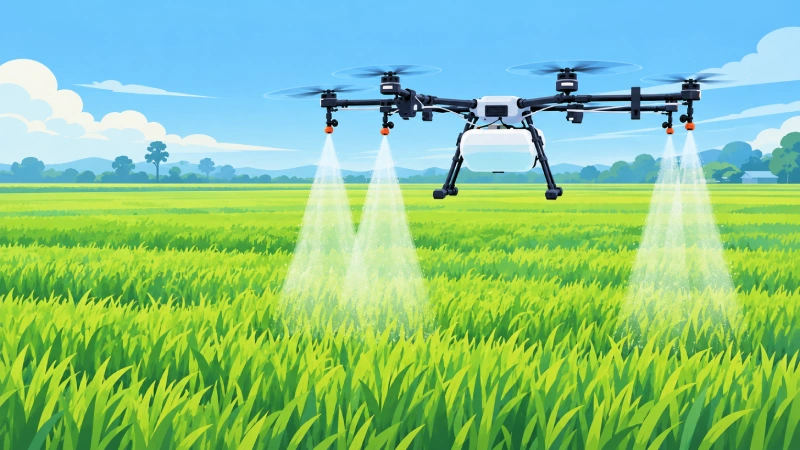
Crops need just the right amount of water across different phases of growth, and it changes over time too. If you give them too much water, roots can suffer, and disease pressure tends to rise. But if you give too little, productivity suffers, and the whole rhythm gets thrown off. Smart irrigation keeps soil moisture in that best range all through the growing season, so plants can develop under favorable conditions. You can expect things like:
- Quicker development
- Better crop quality
- Bigger harvests
- More reliable output
- Better uptake of nutrients
- Less physiological stress on plants
Overall, these changes let farmers improve profitability while using fewer resources, like water, energy, and inputs, not all at once but in a steady way.
Even with all its advantages, smart irrigation still has its own difficulties. There are the upfront costs, which can be rather high, especially for small farms, and sometimes that means the whole process just gets delayed. Beyond that, you’ll often see a few other roadblocks like limited rural internet connectivity and sensor maintenance too, because these parts don’t “set and forget” indefinitely.
Then there’s the technical training requirements , and of course power supply limitations. On top of that, many people worry about cybersecurity concerns, since connected systems can be exposed if they’re not handled carefully. The good part is that equipment costs keep dropping as more people start using these solutions. So, IoT irrigation becomes more reachable each year, not just in theory but in practice. Governments and agricultural organizations are also rolling out financial incentives to push precision farming technologies forward.
Water is one of agriculture’s most valuable resources, and honestly, using it efficiently has never been more important. Smart irrigation systems, powered by the Internet of Things, are giving farmers the means to make every single drop count, like for real. When you put together real-time monitoring, connected sensors, weather intelligence, automation, plus AI-driven analytics, IoT is nudging irrigation away from a manual kind of habit into more of an intelligent, data-led process.
Even so, there are obstacles too, like infrastructure costs and connectivity staying unpredictable. Still, the long-term upsides of water saving, better crop yields , lower operating costs, and stronger sustainability are why smart irrigation keeps showing up as one of the most promising innovations in modern farming.