SCK Company, which operates Starbucks in South Korea, recorded an operating loss of 18.4 billion won (SGD13 million) in the three months through June, compared with an operating profit of 40.3 billion won a year earlier, according to a statement on August 13, as reported by Bloomberg.
Net sales fell 6.1% from a year earlier to 747.3 billion won. The loss came even as the company added 49 stores during the quarter in South Korea, its largest market outside the U.S. and China.
The company sparked public anger with a “Tank Day” promotion in May that offered discounts on large “Tank” tumblers on the anniversary of South Korea’s 1980 Gwangju uprising, when troops and tanks were deployed to suppress and kill protesters.
The campaign was criticized by South Korean President Lee Jae Myung. U.S.-based Starbucks issued a statement describing the campaign as “unacceptable,” and Starbucks Korea’s chief executive was dismissed.
|
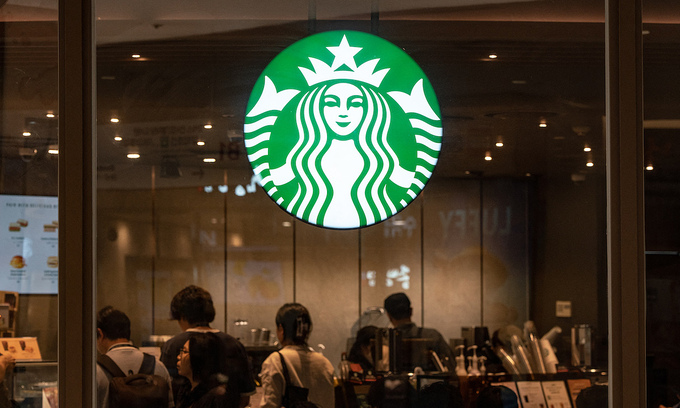
A Starbucks logo is seen in Seoul, South Korea, on May 21, 2026. Photo by NurPhoto via AFP |
Chung Yong-jin, chairman of Shinsegae Group, the operator of Starbucks Korea, repeatedly bowed during a televised apology and took responsibility for the incident. SCK said it would “concentrate on business stabilization by restoring brand trust.”
Last week, police searched Starbucks Korea’s headquarters in Seoul as part of an investigation into the marketing campaign, Reuters reported.
In late May, Shinsegae executives warned that Starbucks Korea had suffered “substantial” declines in revenue as the boycott spread.
The company took the unprecedented step of closing all of its more than 2,000 South Korean stores early on June 22 so employees could undergo training on modern Korean history and social sensitivity.
Shinsegae’s supermarket chain E-Mart owns a 67.5% stake in Starbucks Korea, while the remaining stake is held by Singapore’s sovereign wealth fund GIC as a passive minority investor.