Washington, August 15, 2026 (Yes Punjab News)
The ongoing crisis surrounding the Strait of Hormuz has exposed the vulnerabilities created by dependence on a single energy transit route, with a report calling for greater investment in alternative pipelines and diversified transportation networks.
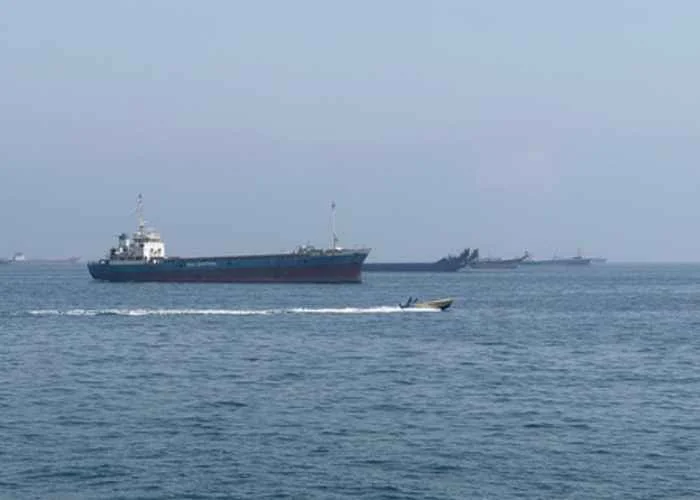
The report said the 2026 US-Iran conflict has disrupted trade and energy flows through the strategic waterway, with repercussions being felt across regional and global markets.
An article published by the US-based Middle East Forum pointed out that several other major maritime routes have alternative passages. The Strait of Malacca, for instance, can be bypassed through the Sunda and Lombok straits. Similarly, commercial vessels were able to reroute around the Cape of Good Hope when Houthi attacks disrupted shipping through the Bab el-Mandeb Strait.
The Persian Gulf, however, has no comparable alternative to the Strait of Hormuz as its principal entry and exit route, the report said.
The report argued that Iran's blockade of the waterway is not only putting pressure on the global economy but is also challenging the perception of the United States as the principal security provider in the Persian Gulf. It said reducing the strategic vulnerabilities surrounding Hormuz was important for both Washington's position in the region and the long-term stability of the global economy.
It highlighted Saudi Arabia's East-West oil and gas pipeline network, constructed in the 1980s to carry energy resources from the Abqaiq oil processing facility in eastern Saudi Arabia to Yanbu on the Red Sea. The approximately 750-mile network has a capacity of around seven million barrels per day.
By comparison, nearly 20 million barrels of oil were transported daily through the Strait of Hormuz before the Iran war, according to the report. It added that Houthi drone attacks have complicated efforts to expand alternative pipeline capacity.
The United Arab Emirates commissioned an oil pipeline in 2012 linking Habshan with Fujairah on the Gulf of Oman. The UAE is also seeking to operationalize another pipeline to Fujairah by 2027, although the report noted that Iranian attacks during the recent hostilities have targeted oil facilities in Fujairah.
The report suggested that US President Donald Trump, while seeking an exit strategy from the Iran crisis, could work with regional countries on a modern equivalent of the Stilwell Road — a network of pipelines linking the Persian Gulf with the Mediterranean and the Arabian Sea.
According to the report, such an interconnected energy network could reduce dependence on the Strait of Hormuz and deliver significant economic benefits to the United States and the wider global economy.