
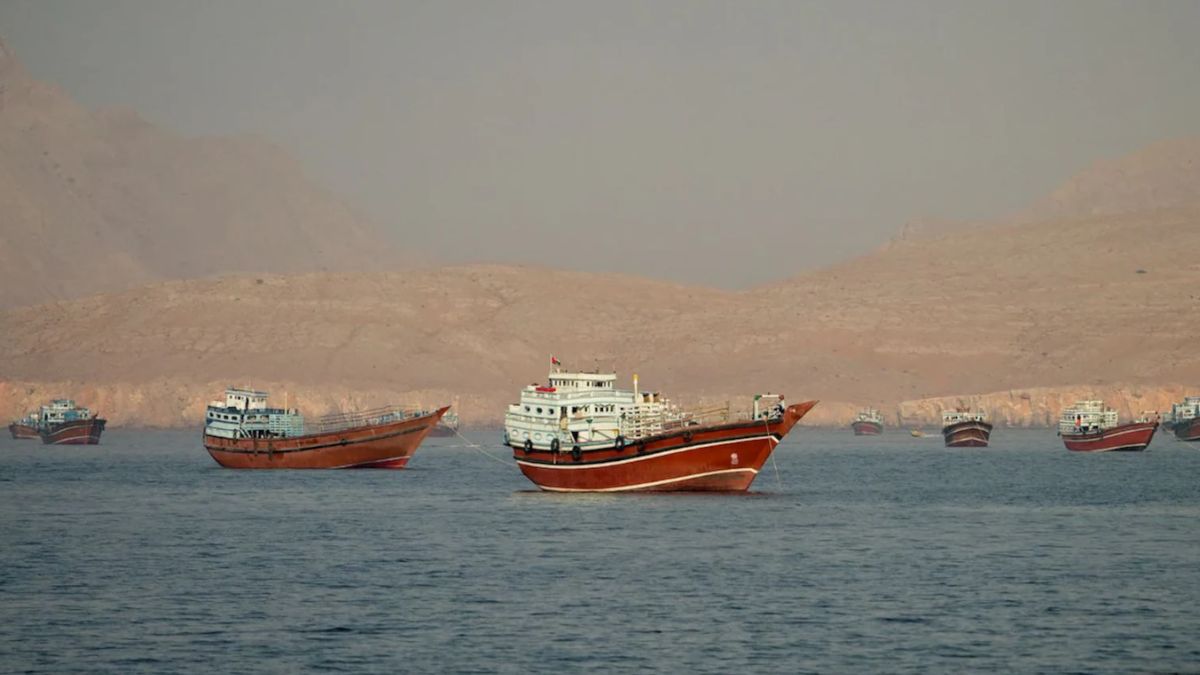

Global oil markets showed signs of stabilization as crude flows through the Strait of Hormuz began recovering, helping ease concerns over a prolonged supply disruption.
Recent reports indicate that oil exports moving through the key shipping route have increased from the lows seen during the height of the disruption, while expectations of further normalization have reduced the geopolitical risk premium in crude prices.
Brent crude slips below $80
Brent crude has fallen below $80 per barrel for the first time since the escalation of Gulf tensions, while U.S. West Texas Intermediate (WTI) has also declined sharply from recent highs.
Analysts attributed the drop to improving expectations for energy shipments through the Strait of Hormuz and easing fears of a major supply shock. Brent settled around $78.96 per barrelwhile WTI traded near $76 in recent market sessions.
Oil flows gradually increasing
According to estimates cited by the International Energy Agencyoil flows through the Strait of Hormuz have been recovering steadily.
Middle Eastern oil exports moving through the route were reported at about 12 million barrels per day in early June, up from roughly 9.6 million barrels per day during the disruption.
Why the Strait matters
The Strait of Hormuz remains one of the world’s most important energy chokepoints, handling roughly 20% of global oil and LNG trade. Any disruption to traffic through the narrow waterway can quickly affect global crude prices, shipping costs and inflation expectations, particularly in major energy-importing economies.
Full normalization may take time
Despite the recent improvement, analysts cautioned that a complete return to pre-crisis conditions may take weeks or months. Shipping backlogs, insurance costs, security checks and logistical constraints continue to affect tanker movements, even as market sentiment has improved.
Key takeaways
Crude flows through the Strait of Hormuz are recovering.
Brent crude has fallen below $80 per barrel.
Middle Eastern oil exports through the route have increased from recent lows.
The Strait of Hormuz handles about 20% of global oil and LNG trade.
Analysts say full normalization of shipping may still take time.

Comments are closed.