Bengaluru: Food safety officials have sealed a Swiggy Instamart warehouse in Bengaluru after an inspection reportedly found expired and damaged packaged food items at the facility. The action comes as Karnataka authorities intensify inspections of quick-commerce warehouses and dark stores over concerns related to food storage, licensing and hygiene standards.
The warehouse was sealed on September 7 following an inspection by food safety officials. A notice displayed at the premises identified Swiggy Networks Limited as the operator and cited alleged violations under the Food Safety and Standards Act, 2006, and the Food Safety and Standards Rules, 2011.
The development adds to growing regulatory scrutiny of India’s rapidly expanding quick-commerce sector, where consumers increasingly rely on dark stores and fulfilment centres for groceries and packaged food delivered within minutes.
Expired and damaged food found at warehouse
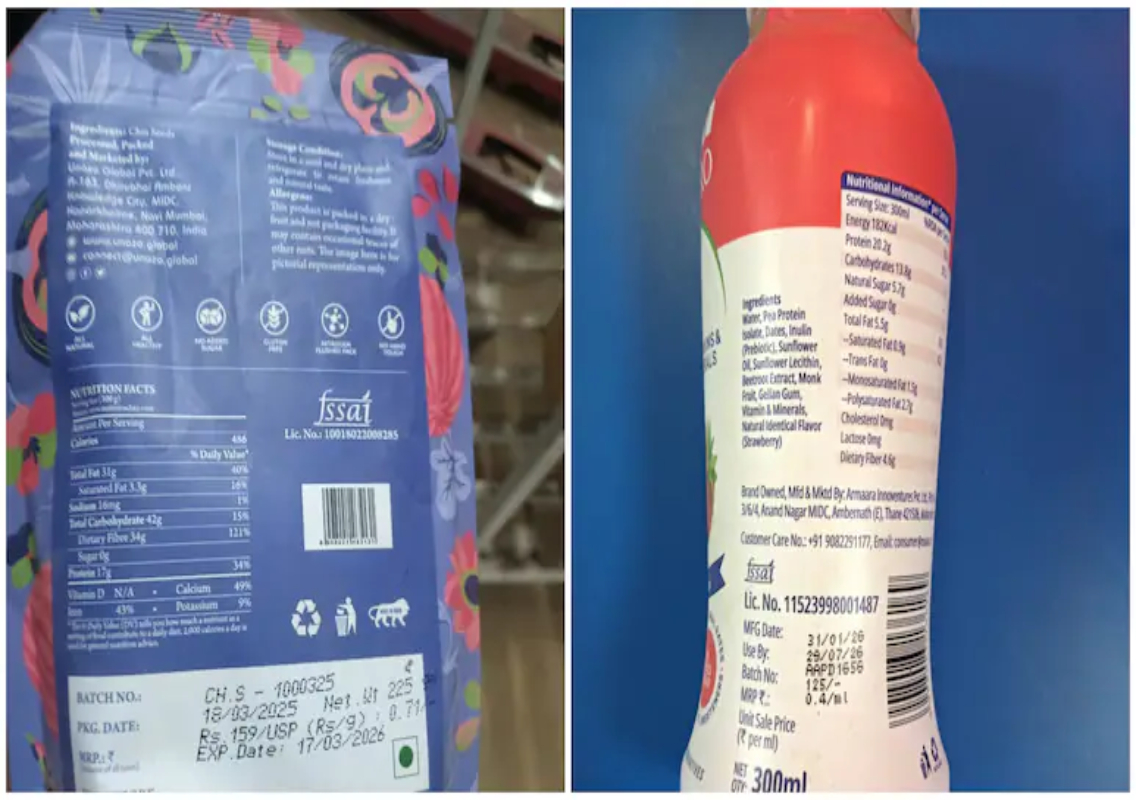
According to the inspection report cited by NDTV Profit, officials found expired and damaged packaged food products stored at the Swiggy Instamart facility. Images from inside the premises showed torn and damaged packages, expired products and discarded cartons lying on the floor.
Some of the products reportedly included items sold under Swiggy’s in-house NOICE label. The condition of the products and their storage raised concerns over how food inventory was being handled inside the facility.
The notice issued at the premises stated that food items were being stored and sold without complying with applicable licensing requirements. The facility was subsequently sealed and locked pending further action by the authorities.
The findings are part of an enforcement action and do not, by themselves, establish that expired products were delivered to customers from this particular warehouse.
Bengaluru steps up food safety inspections
The action against the Instamart warehouse comes amid a wider food safety drive in Bengaluru.
Health authorities have been conducting surprise inspections at establishments following complaints and concerns over the storage, handling and sale of food products. Recent inspections have also covered paying guest accommodations and other food-related businesses across the city.
In a separate recent drive, food safety officials inspected 64 paying guest facilities in Bengaluru and issued notices to 23 establishments after finding expired food and other hygiene violations.
The latest inspections indicate that authorities are increasingly examining not only restaurants and kitchens but also warehouses and distribution points that form part of modern food supply chains.
Karnataka seeks action against quick-commerce companies
The Instamart warehouse action comes after the Karnataka Food Safety and Drug Administration Department reportedly recommended suspending the food licences of several major online grocery and quick-commerce operators, including Swiggy, Instamart, Amazon and BigBasket, over alleged non-compliance with food safety requirements.
The regulatory attention is significant because quick-commerce platforms operate a large network of small fulfilment centres located close to residential areas. These facilities store a wide variety of products, ranging from fresh produce and dairy products to packaged snacks, beverages and household goods.
While the rapid-delivery model is built around speed, food safety regulations require operators to maintain appropriate storage conditions, monitor expiry dates and comply with licensing and handling requirements.
The recent enforcement actions suggest that regulators are increasingly focusing on these last-mile storage points rather than limiting inspections to conventional supermarkets and restaurants.
FSSAI has also issued notices to Instamart
The scrutiny extends beyond Karnataka.
The Food Safety and Standards Authority of India (FSSAI) has reportedly issued nine notices to Swiggy Instamart following consumer complaints alleging deliveries of expired, spoiled or contaminated food products. Two of the complaints reportedly related to products sold under the NOICE label.
The notices highlight the importance of quality checks throughout the quick-commerce supply chain. Unlike traditional retail stores, dark stores can handle large volumes of orders within short periods, making inventory management and expiry monitoring particularly important.
For consumers, the presence of expired stock inside a warehouse can raise concerns about whether adequate systems are being followed to segregate and remove products before they become available for sale.
Quick-commerce sector faces wider scrutiny
The Bengaluru action is not an isolated development.
Authorities in Maharashtra have also taken action against quick-commerce warehouses operated by companies including Blinkit, Zepto and Swiggy Instamart. According to NDTV Profit, licences at 12 such warehouses were suspended this year over issues including pest infestations, spoiled produce and hygiene lapses.
A separate crackdown in Bengaluru also reportedly resulted in expired food being seized from Instamart and other local grocery outlets. Officials have said the inspections are aimed at ensuring that food products being stored and sold meet prescribed safety standards.
The developments come at a time when quick-commerce companies are expanding rapidly across Indian cities. Their dark-store networks have become an important part of urban grocery distribution, but the model also creates new regulatory challenges around storage, inventory rotation and inspection.
Swiggy launches food safety reporting channel
Amid the growing scrutiny, Swiggy has introduced additional mechanisms for consumers to report food safety concerns.
The company launched a 24×7 helpline and a dedicated Food Safety channel within its app. Customers can use the channel to report concerns and upload supporting images, according to NDTV Profit.
Swiggy said the initiative is intended to help identify recurring issues and enable corrective action across its fulfilment-centre network.
Such reporting mechanisms could give the company greater visibility into problems that may not immediately be detected through internal checks. They could also help regulators and companies identify recurring issues involving particular products, warehouses or suppliers.
What the Bengaluru raid means for consumers
The sealing of the Instamart warehouse underscores the importance of food safety controls in India’s quick-commerce industry.
For consumers, the key issue is not simply delivery speed but whether products are stored correctly, remain within their shelf life and are handled in accordance with food safety regulations.
The action also demonstrates that food safety authorities are increasingly examining the infrastructure behind online grocery delivery. As quick-commerce platforms become a routine part of urban shopping, their warehouses are effectively functioning as modern retail storage points and therefore face regulatory responsibilities similar to other food businesses.
The Bengaluru warehouse will remain sealed pending further action, according to the reported notice. The broader regulatory drive is likely to continue as authorities examine compliance across the rapidly expanding quick-commerce sector.