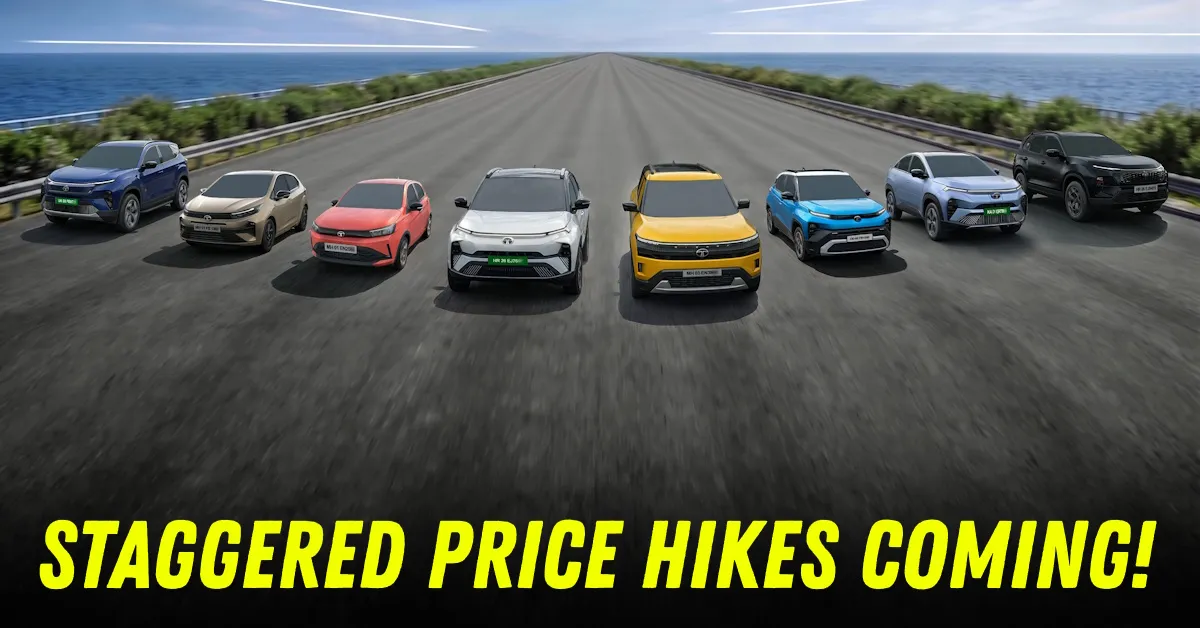
Tata car prices could rise again after the company increased prices by up to Rs 25,000 from September 1. Tata Motors Passenger Vehicles MD and CEO Shailesh Chandra says the company is still absorbing a sizeable part of the recent increase in commodity costs, and further price revisions may be needed. The difference is that Tata does not plan one large jump. It intends to review costs month by month and, when required, pass them on through smaller increases.
That makes the timing relevant for anyone already close to buying a Punch, Nexon, Curvv, Sierra, Aeris or one of Tata’s EVs. There is no announced date or percentage for the next hike, but the company has made it clear that the September increase did not fully cover the rise in costs.
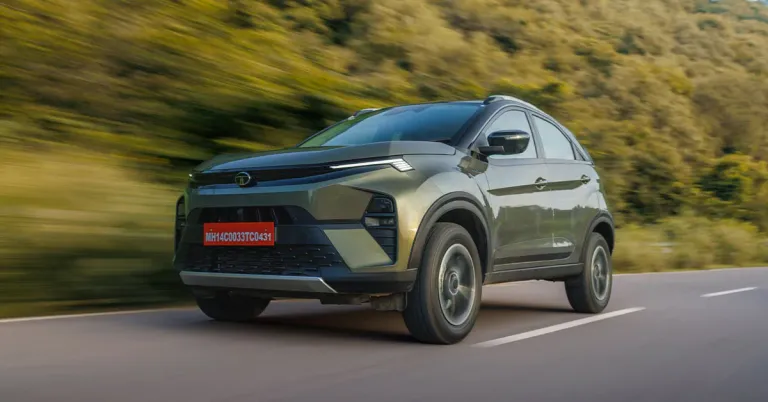
Tata raised prices across its passenger vehicle range, including ICE cars and EVs, by up to Rs 25,000 at the start of September. Chandra has since said commodity inflation remains a concern because manufacturers cannot raise retail prices as quickly as input costs have moved.
The scale of the pressure is significant. Tata has indicated that commodity costs affected the business by roughly 4 percent of revenue in the April-June quarter. For the current quarter, the additional impact could be around 3 percent, with some variation. The company is trying to offset part of this through cost reduction, but a residual burden is still hitting margins.
Chandra also said carmakers have generally kept price increases below 5 percent since the GST changes, despite higher costs. That suggests manufacturers have so far absorbed part of the pressure instead of passing all of it to customers immediately.
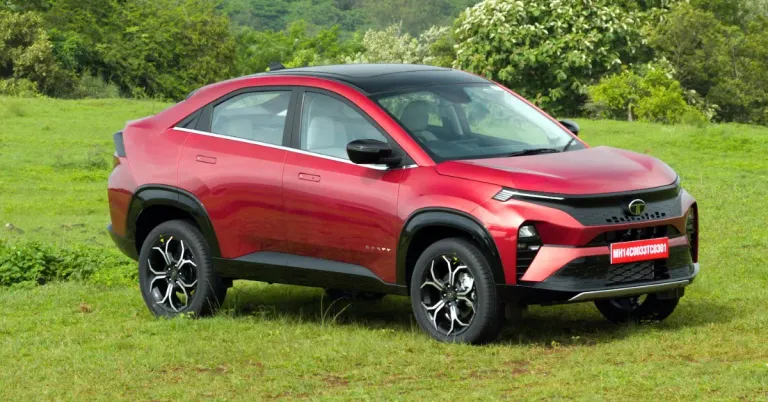
The other change is happening at dealerships. Chandra says discounts have started disappearing as supply is now slightly behind demand. That matters because the effective price a buyer pays is determined by both the official ex-showroom price and the dealer-level benefits available on a particular model, variant and stock unit.
A car can therefore become more expensive even before another formal price hike if the discount on it becomes smaller. The effect will not be identical across Tata’s range. A high-demand model with limited stock may see fewer benefits, while an older model year or a slower-selling variant can still attract a meaningful offer. Buyers should compare the final on-road quote rather than only the published ex-showroom price.
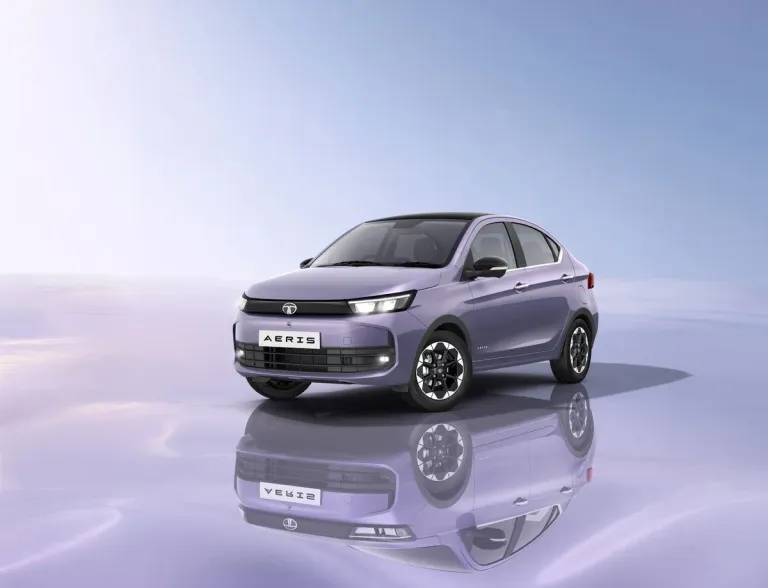
For a buyer who has already chosen the model and variant, the current situation gives more reason to lock in a good dealer quote than to wait purely in the hope of a lower price. Tata has already raised prices once this month, further increases remain possible, and the company itself says discounts are reducing as demand catches up with supply.
That does not mean every buyer needs to rush. Tata has not announced the timing or size of the next revision, and dealer offers can change by city, variant and available stock. A buyer waiting for a specific new variant, finance deal or delivery period may still have a reason to hold back.
The practical approach is to ask the dealer for a written breakup of the current ex-showroom price, insurance, accessories and every discount, then check how long that quote is valid. If the right car is available and the current deal is acceptable, waiting now carries a clearer risk of paying more later than it did a few months ago.