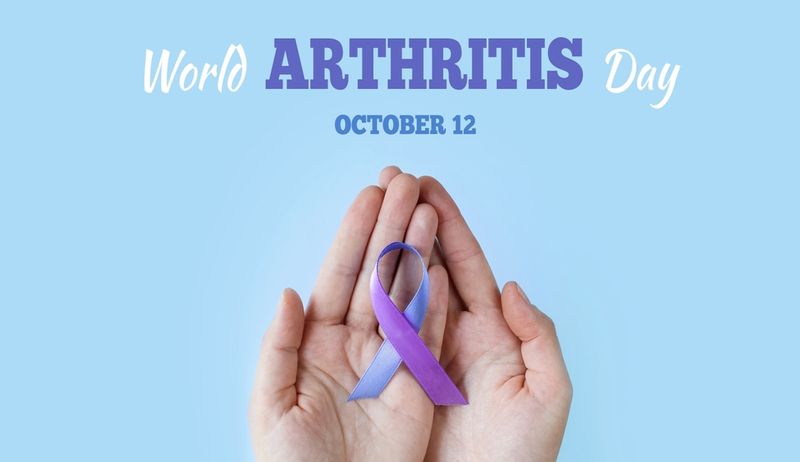
Joint pain is no longer an ailment exclusive to old age. Today, a growing number of young and middle-aged individuals are experiencing persistent pain, morning stiffness, and difficulty walking, climbing stairs, or working. When movement becomes painful, a dangerous cycle begins: people avoid physical activity to escape the pain, which weakens the surrounding muscles and progressively worsens joint degeneration. Mobility is fundamental to human freedom, and protecting it is vital for maintaining a healthy, dignified, and independent life.
The Ayurvedic Perspective: Vata, Agni, and Ama
While modern medicine often views joint issues primarily through the lens of mechanical wear-and-tear or localized inflammation, Ayurveda looks at joint health as a reflection of systemic balance, specifically governed by the relationship between Vata, Agni, and Ama:
The Role of Vata Dosha: Vata is the biological principle that governs all movement, circulation, and nervous system impulses in the body. Naturally dry, light, and cold, Vata resides predominantly in the bones and joints. When aggravated by factors like aging, irregular schedules, overexertion, or dry, cold foods, excess Vata depletes the lubricating synovial fluid (Shleshaka Kapha) within the joint capsule. This leads to the characteristic dryness, cracking sounds, and friction-induced pain of degenerative joint conditions.
The Centrality of Agni (Digestive Fire): In Ayurveda, robust health begins in the gut. Agni is the metabolic fire responsible for digesting food, absorbing nutrients, and transforming them into bodily tissues. When Agni becomes weak or erratic due to poor eating habits, stress, or a sedentary lifestyle, food is left partially undigested.
The Accumulation of Ama (Toxins): This undigested, toxic metabolic byproduct is known as Ama. Ama is heavy, sticky, and cold. Carried by the aggravated Vata dosha through the circulatory channels, it tends to settle in areas that are already weak or strained-most commonly the joint spaces. When Ama mixes with Vata (Amavata), it blocks the micro-channels, restricts natural fluid movement, and triggers severe inflammation, heat, stiffness, and debilitating pain.
World Arthritis Day
Modern Lifestyles and Joint Imbalance
The structural imbalances described in ancient texts match modern lifestyle challenges. Long hours of sitting at desks, lack of physical exercise, irregular eating windows, and an increasing reliance on heavily processed, packaged foods directly disrupt Agni and aggravate Vata.
Carrying excess body weight places an immediate, mechanical burden on weight-bearing joints like the knees and hips, while accelerating the biochemical pathways of metabolic inflammation. Therefore, Ayurvedic joint care looks beyond the joint itself, focusing heavily on restoring digestion and balancing your overall daily routine.
Capsule S. Compound: Linking Tradition and Modern Science
To counteract these deep-seated imbalances, classical text formulations rely on specific herbs to rekindle Agni, digest Ama, and pacify Vata. Capsule S. Compound is a traditional Ayurvedic formulation developed with a rich history of institutional use and recognition in Jammu and Kashmir. It serves as an excellent example of how traditional Indian medical knowledge continues to provide practical solutions today.
The formulation contains a synergistic blend of time-tested ingredients:
Kundru (Boswellia serrata): Commonly known as Indian frankincense, Kundru is highly regarded in Ayurveda for its Vata-pacifying and Ama-digesting qualities. Modern scientific research has taken a keen interest in Boswellia, confirming that its active components (boswellic acids) possess potent anti-inflammatory properties that target specific inflammatory pathways, helping to reduce joint swelling and improve blood supply to the tissues.
Suranjan (Colchicum luteum): A classical herb traditionally utilized to manage acute joint pain and reduce uric acid accumulation, helping to clear blockages in the micro-channels.
Rasnadi Kwath: A renowned traditional herbal decoction used specifically to alleviate systemic Vata disorders, ease stiffness, and restore comfortable movement to the limbs.
A Holistic Approach: Medicine Alone Is Not Enough
True healing requires a lifestyle that stops the production of new Ama and keeps Vata grounded. An integrated approach to preserving your joints includes:
Regulate Your Movement (Yoga & Sukshma Vyayama): Engage in daily, gentle, low-impact physical exercise. Dedicated joint-loosening movements (Sukshma Vyayama) like gentle ankle rotations, knee extensions, and wrist bends help stimulate synovial fluid production without straining the joints.
Practice Easy-to-Perform Yoga Asanas: Incorporating simple, accessible postures can safely maintain joint flexibility and build stability:
Tadasana (Mountain Pose): Standing straight with feet slightly apart helps improve posture, skeletal alignment, and body weight distribution across both feet.
Vrikshana (Tree Pose – with Wall Support if needed): Gently improves balance and strengthens the ligaments surrounding the knee and ankle joints.
Sukhasana (Easy Pose with Props): Sitting cross-legged comfortably on a thick cushion or folded blanket keeps the hips flexible while elongating the spine.
Marjariasana-Bitilasana (Cat-Cow Stretch): Performed gently on hands and knees to softly mobilize the spinal columns and relieve stiffness in the back.
Support Your Agni: Prioritize warm, freshly cooked, and easily digestible whole foods. Incorporate mild, warming spices like ginger, turmeric, cumin, and fenugreek into your meals to stimulate digestion and help clear Ama. Strictly limit cold, stale, deeply fried, and highly processed foods.
Avoid Prolonged Sedentary Behavior: Break up long periods of desk work or sitting with brief stretching or walking intervals every hour to prevent Vata from stagnating.
Manage Body Weight: Reducing systemic load lowers physical friction and protects cartilage from premature wear.
Practice Responsible Healthcare: Long-standing or severe joint pain shouldn’t be dismissed as a normal part of aging. Seek professional guidance early, and ensure that both traditional formulations and modern therapies are used under the supervision of qualified practitioners.
The Ultimate Goal: A Richer Quality of Life
For an individual living with arthritis, a successful outcome cannot be measured solely by a reduction in a clinical pain score. True success is found in restored life experiences: being able to walk comfortably to the local market, climb stairs without fear, play freely with grandchildren, continue working, travel with loved ones, and move through each day with confidence.
World Arthritis Day 2026 serves as a vital reminder that dedicated joint care is ultimately about safeguarding human mobility, preserving personal independence, and elevating overall quality of life. Traditional wisdom, combined with disciplined daily habits and responsible healthcare, provides a clear path forward. A healthier, more active future begins with the choices we make today.