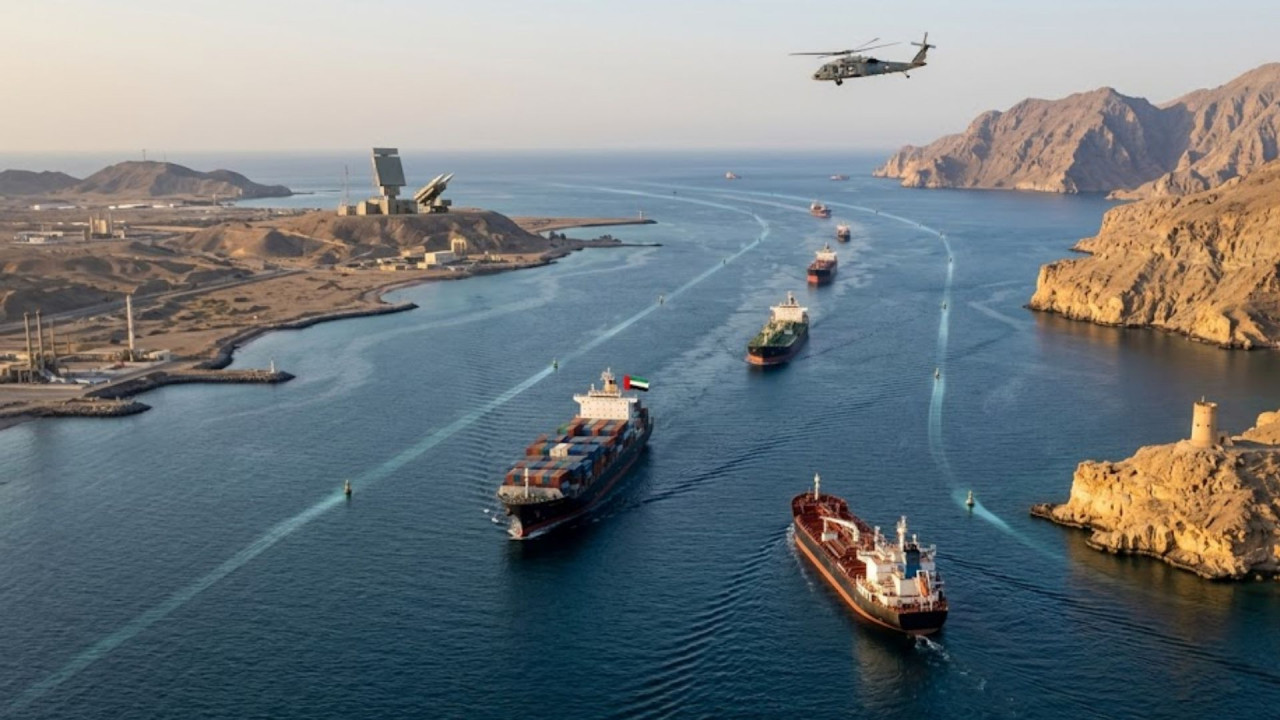
Iran and Oman have agreed on a new shipping route through the Strait of Hormuz, raising hopes of reopening this vital waterway.
New Delhi: Iran and Oman have reached a key agreement regarding the Strait of Hormuz. This deal raises hopes of reopening this vital sea route, which has been affected by US-Iran tensions. However, some issues regarding ship monitoring and potential transit fees remain to be discussed.
Agreement reached on new shipping route
According to Iranian Foreign Ministry spokesman Esmail Baghaei, Tehran and Muscat have agreed on the geographical points of a new shipping corridor passing through the Strait of Hormuz. The two countries are now finalizing a joint statement covering the key points of this arrangement.
Iran’s Deputy Foreign Minister, Kazem Gharibabadi, also confirmed significant progress in the talks. According to him, the two sides have reached basic agreements and the process is in its final stages.
What could change for ships?
Once the new arrangement is implemented, commercial vessels transiting the Gulf will have to use a newly designated sea route. A large portion of the proposed corridor is said to pass through Iranian waters, while a small portion will remain within Oman’s waters.
This could give Iran greater surveillance of maritime traffic than previously possible. However, who will inspect the ships and what the overall surveillance system will look like have not yet been finalized.
What transit charges will have to be paid?
The biggest question surrounding the deal is transit fees. The issue of charging ships has come up in negotiations. According to reports, Iran wants a fee of approximately 5 to 7 percent of the cargo’s value, while Oman is seeking a lower fee of approximately 3 percent.
Meanwhile, the US wants ships to continue passing through Hormuz without paying transit fees. Disagreements over fees could pose a significant challenge to reaching an agreement.
Why is Hormuz important to the world?
The Strait of Hormuz is one of the world’s most important oil routes. A significant portion of global oil supplies pass through this narrow seaway. Therefore, any major changes to shipping arrangements there could have a direct impact on the international oil market and energy security.
The new system is currently proposed to be implemented for a few months. However, depending on its successful implementation and further discussions, it could be extended for a longer period.