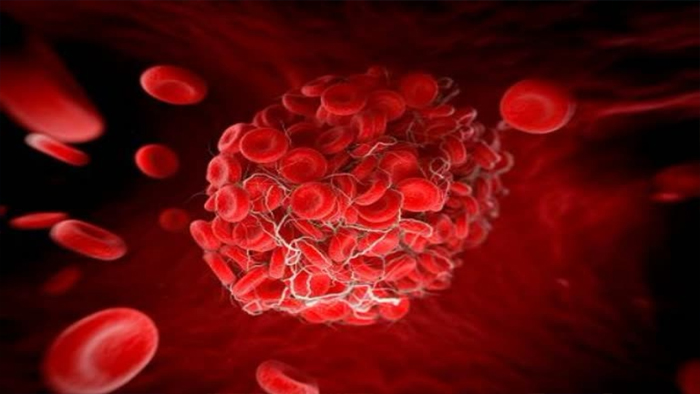
New Delhi. Blood carries oxygen and essential nutrients to every part of our body. However, when normal blood flow is affected or the blood’s tendency to clot increases, it can cause serious health problems. Commonly, this is known as blood thickening. Medically, in some cases, it is associated with hypercoagulability or hyperviscosity. However, blood thickening does not always indicate a single disease and can have different causes.
According to health experts, dehydration can reduce the fluid content of the blood, making it appear more concentrated. In some people, an abnormally high red blood cell count can also cause the blood to become thicker, including conditions like erythrocytosis. Sedentary activities, lack of physical activity, obesity, and smoking are also factors that increase the risk of blood clots.
Certain conditions can make the body more likely to develop blood clots than normal. Prolonged rest after surgery, a serious injury, long travel, or prolonged sitting for long hours may all require special care. Pregnancy and the time around childbirth, as well as certain hormonal medications, can also affect the risk of clotting in some people. Certain genetic conditions may also make a person more likely to develop blood clots.
The biggest concern about a blood clot is that it can block the normal flow of blood in a vein or artery. If a clot forms in a deep vein in the leg, it’s called deep vein thrombosis (DVT). Symptoms typically include swelling, pain, or discomfort in the leg. The situation can become serious if the clot breaks off and travels with the blood to the lungs, potentially causing a life-threatening condition called pulmonary embolism.
Similarly, if a clot obstructs blood flow in a blood vessel leading to the brain, it can lead to a stroke. Therefore, sudden symptoms should not be ignored. It is important to seek immediate medical attention if you experience sudden swelling or pain in your legs, difficulty breathing, chest pain, or other symptoms suggestive of a stroke.
The risk of blood clots isn’t limited to the elderly. People who spend long periods of time sitting, engage in limited physical activity, are overweight, and smokers are at increased risk. People traveling long distances should also avoid sitting in the same position for hours at a stretch. Those with a history of blood clots or a family history should take extra precautions as advised by their doctor.
The most important precaution is to avoid prolonged inactivity. If your job requires long hours of sitting, it can be beneficial to get up and walk around occasionally to keep your legs active. Even during long commutes, try to move around occasionally. Regular physical activity can help maintain a healthy weight and improve blood circulation.
Additionally, it’s important to drink plenty of water, avoid smoking, and maintain weight control. However, symptoms alone can’t determine whether a person has thick blood. A doctor may recommend testing to determine the cause. Therefore, it’s not advisable to take blood thinners or any other medication without medical advice. If you experience symptoms of a blood clot or are at increased risk for any reason, the safest course of action is to consult a doctor promptly.