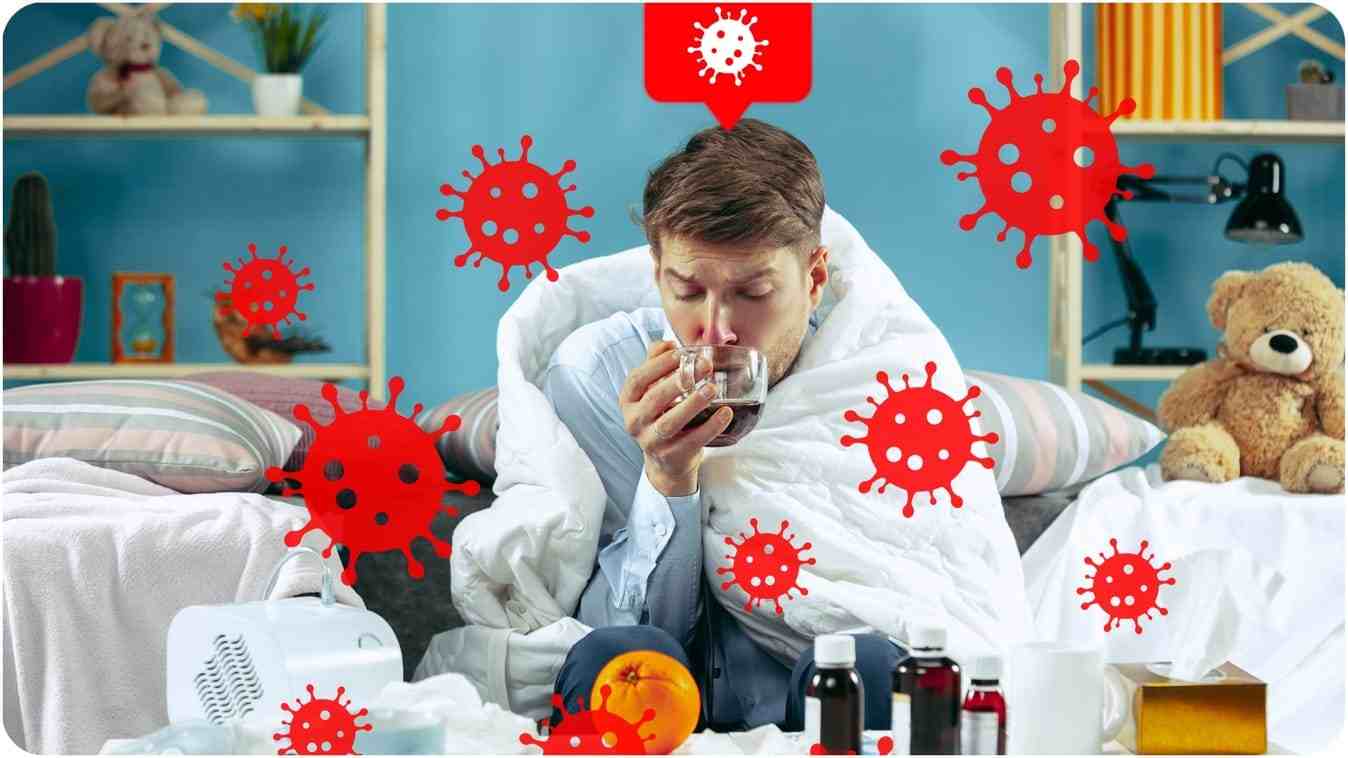
Special Health Reporter, New Delhi: The pleasant monsoon season which brings relief from the scorching heat also brings with it the gift of many types of diseases. Amidst the showers of rain and pleasant mood, the risk of infectious diseases suddenly increases manifold due to increased humidity in the air, waterlogging and contaminated food. According to health experts and doctors, bacteria, viruses and fungus grow very fast in this season, due to which diseases like dengue, malaria, typhoid, jaundice (Hepatitis A/E), diarrhoea and flu start spreading rapidly.
Children, the elderly, and those with weakened immunity are especially advised to exercise extra caution during this season. However, doctors say that these monsoon illnesses can be easily prevented with a little caution, a proper routine, and good hygiene. Let’s learn about monsoon health tips and the easiest ways to stay safe, as recommended by senior doctors.
These major infectious diseases spread rapidly during monsoon: Recognize the symptoms
According to doctors, there are mainly three categories of diseases that spread the most during the rainy season:
Mosquito-Borne Diseases:
Dengue and Malaria: Stagnant water breeds mosquitoes that can cause dengue and malaria outbreaks. The main symptoms are high fever, excruciating joint and muscle pain, headache, and chills.
Chikungunya: This is also spread by mosquito bites and causes extreme swelling and pain in the joints.
Waterborne Diseases:
Typhoid and Cholera: Salmonella typhi bacteria enter the body through contaminated water or unsafe food. This disease causes persistent high fever, abdominal pain, and weakness.
Jaundice and Diarrhea: Drinking dirty water causes liver infection, which leads to yellowing of eyes and skin, vomiting and diarrhea.
Airborne & Viral Infections:
Eye Flu (Conjunctivitis) and Viral Fever: Due to humidity, eye infections, sore throat, cold and viral fever spread very quickly from one person to another.
Doctors recommend the easiest ways to prevent infectious diseases during monsoons.
Senior doctors and experts have given some very simple and effective tips to avoid falling prey to diseases during the monsoon season:
Drink only boiled or filtered water: Water sources are most likely to be contaminated during this season. Therefore, always boil and cool water thoroughly before drinking it, or use a certified water purifier. Avoid drinking open or unsafe water.
Avoid street food: Avoid eating chaat, pakoras, cut fruit, golgappas, and drinking sugarcane juice sold from carts or in the open. These attract flies, which spread bacteria that can cause diseases like cholera and typhoid. Always eat fresh, hot cooked food.
Avoid standing water: Avoid collecting water on your rooftops, in flower pots, coolers, or in old utensils. Stagnant water becomes a breeding ground for mosquitoes. Clean and dry coolers once a week.
Practice personal hygiene: Wash your hands thoroughly with soap and water for at least 20 seconds upon returning home from outside. Avoid getting wet in the rain; if you do get wet, immediately change into clean, dry clothes and take a warm shower.
Cover up and use repellent: Wear long-sleeved clothing and full pants, even during the day, to reduce the risk of mosquito bites. Use mosquito repellent cream or spray when you go out.
Strengthen immunity: Include vitamin C-rich fruits (like lemon, amla, orange), green leafy vegetables (thoroughly washed and cooked), ginger, turmeric, and basil tea in your daily diet. This increases your body’s ability to fight infectious diseases.
What to do if you fall ill? Doctors’ strict advice
Doctors clearly say that any fever or stomach infection occurring during monsoon should not be ignored by considering it minor.
If you experience a high fever, abdominal cramps, vomiting, or extreme weakness for more than two days, consult your doctor immediately instead of self-medication or antibiotics. Getting timely and appropriate testing (such as a CBC, Widal, or Dengue Card test) can help prevent the disease from becoming serious.
Enjoy the pleasant monsoon weather, but be mindful of your health. A little caution and cleanliness can keep you and your family safe from monsoon illnesses.