Trump Administration Drafting Post-Iran War Strategy for Middle East/. TezzBuzz/ WASHINGTON/ J. Mansour/ The Trump administration is drafting a post-war Middle East strategy centered on containing Iran and expanding Israel’s regional relationships, Axios reported. Proposals include implementing agreements involving Gaza, Syria and Lebanon and pursuing normalization between Israel and Saudi Arabia. The preliminary plan, based on anonymous sourcing, remains unfinished, and the White House declined to comment.
Quick Look
- Axios attributed the planning to two U.S. officials and two other informed sources.
- The strategy remains in the early stages of development.
- Trump reportedly discussed it during two recent meetings with senior advisers.
- One proposal would align U.S. regional partners to contain Iran.
- Washington could serve as the alliance’s security guarantor.
- The plan may seek further implementation of Trump’s Gaza framework.
- A security agreement between Israel and Syria is under consideration.
- Implementing the Israel-Lebanon agreement is another proposed component.
- The administration hopes to expand the Abraham Accords.
- Saudi-Israeli normalization would be a major objective.
- Elections in Israel and the United States could influence the strategy.
- The White House has not publicly confirmed the reported deliberations.

Deep Look
Administration Begins Drafting Post-War Strategy
The Trump administration has begun developing a strategy intended to guide U.S. Middle East policy after the war with Iran ends, according to Axios.
The reported plan would focus on creating a regional alignment to contain Iran while expanding diplomatic and security relationships between Israel and neighboring countries.
Axios based its account on two U.S. officials and two other sources familiar with the internal discussions. Because the White House declined to comment, the proposed strategy has not been formally confirmed by the administration.
Planning Underway Across Administration
Initial work is reportedly taking place among senior political advisers and at the interagency level.
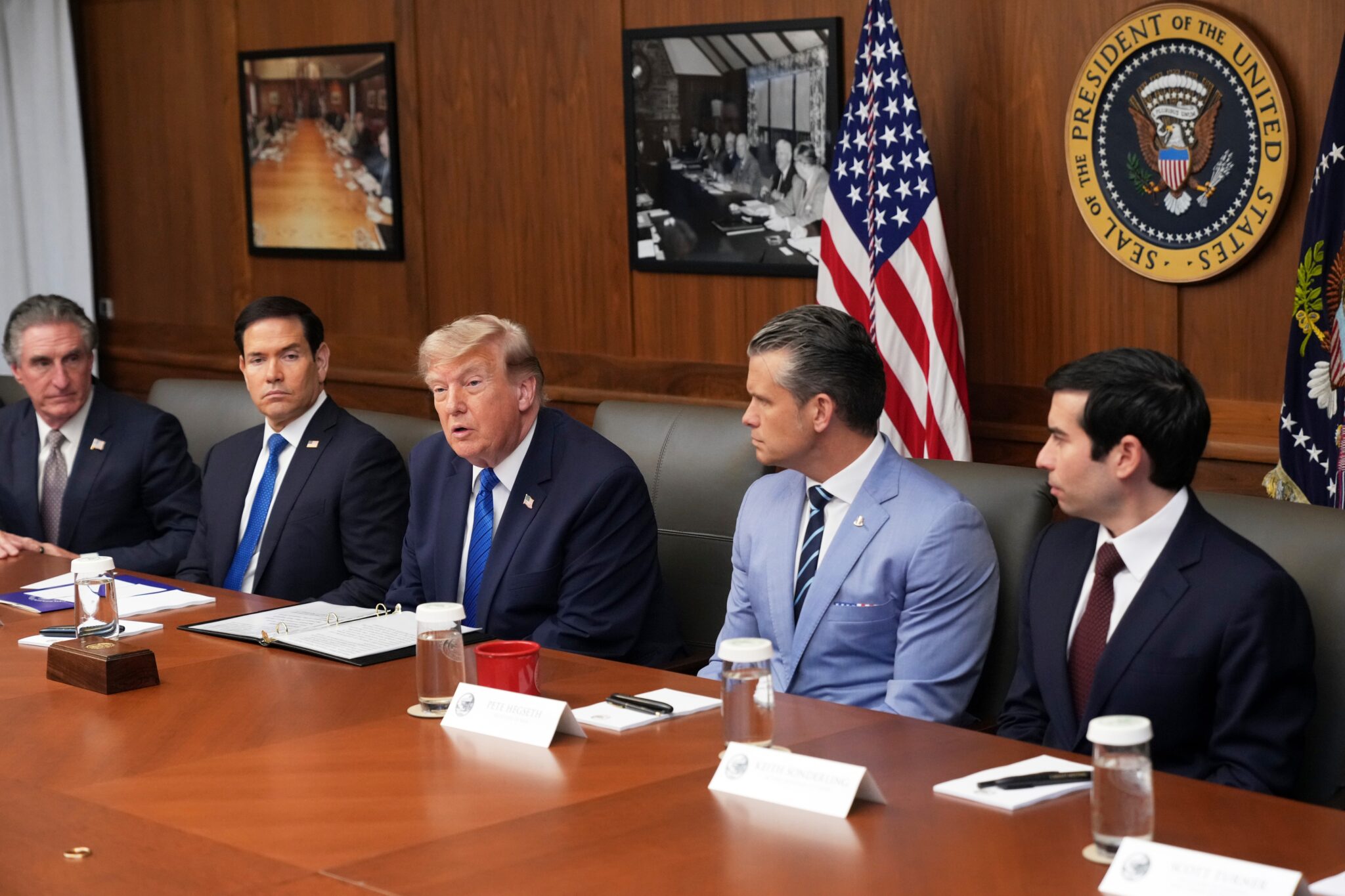
President Donald Trump has held two recent meetings with senior officials during which potential elements of the strategy were discussed, according to the sources.
Trump has also said privately that he is developing “something much bigger” in the Middle East after the Iran conflict, Axios reported.
The planning is intended to establish priorities for the final two years of Trump’s presidency rather than serve only as a framework for ending the current fighting.
Regional Alignment to Contain Iran
One proposed element would establish a coordinated alignment among U.S. allies and partners to contain Iran, with Washington acting as a guarantor.
The report did not identify every country that might participate or explain the military, diplomatic and economic commitments the arrangement would require.
A regional coalition could draw on existing U.S. security relationships with Israel and Arab governments. However, the countries involved have different interests and approaches toward Iran, potentially complicating efforts to establish a common policy.
Washington is currently combining military operations with economic sanctions against Tehran. The strategy has produced a prolonged standoff rather than a negotiated conclusion to the conflict.
Addressing Fallout From Oct. 7 Attacks
A second proposed component would link several unresolved conflicts and diplomatic processes that followed the Oct. 7, 2023, Hamas attack on Israel.
The administration could seek to advance the next phase of Trump’s Gaza plannegotiate a security agreement between Israel and Syria and implement the existing Israel-Lebanon framework.
The Israel-Lebanon agreement calls for Israeli forces to withdraw from occupied areas in southern Lebanon in exchange for the disarmament of Hezbollah. Implementation has made little progress, while both sides have continued exchanging fire.
A security arrangement between Israel and Syria would present separate challenges involving territorial disputes, regional security and the presence of armed groups.
Expanding the Abraham Accords
The third major objective under discussion is expanding the Abraham Accordsthe normalization agreements between Israel and several Arab governments reached during Trump’s first presidency.
The administration is reportedly considering a broader campaign to encourage additional Arab and Muslim countries to establish formal relationships with Israel after the Iran war.
Trump previously asked several Arab and Muslim leaders to consider joining the accords once the conflict ended, according to an earlier Axios report.
Securing an agreement between Saudi Arabia and Israel would be the most consequential potential expansion. Such a deal has been discussed for years but remains complicated by the Israeli-Palestinian conflict, security guarantees and Saudi Arabia’s conditions for normalization.
Elections Could Affect Implementation
Two elections are shaping the timing of the administration’s deliberations: Israel’s Oct. 27 vote and the U.S. midterm elections in November.
American officials reportedly hope that the Israeli government formed after the election will be willing and politically capable of cooperating with the regional initiative.
Some officials, however, said Trump intends to proceed regardless of the Israeli election result, including if the vote produces a political stalemate.
The U.S. midterms could also affect the administration’s domestic political position and congressional support for new diplomatic, security or financial commitments.
Strategy Remains Preliminary
A source briefed on the deliberations said officials would need several more weeks to complete a draft.
“They are cooking it, but it is not yet cooked,” the source said.
“The idea is to tie a whole lot of things in the region together — how you create a regional alignment after the war. It is still unclear if all U.S. allies in the region will be on board,” the person added.
The uncertainty reflects the number of unresolved questions surrounding the initiative, including when the Iran conflict might end, which governments would participate and what commitments Washington would offer.
Until the administration adopts or announces a final version, the reported elements remain proposals under consideration rather than established U.S. policy.
More on US News